

How to connect multiple cables to a single copper cable lug?
Leave a message

Connecting multiple cables to a single copper cable lug is a common requirement in various electrical installations. As a copper cable lug supplier, I understand the importance of providing clear guidance on this process to ensure safe and efficient electrical connections. In this blog post, I will share some practical tips and best practices on how to connect multiple cables to a single copper cable lug.
Understanding Copper Cable Lugs
Before delving into the connection process, it's essential to have a basic understanding of copper cable lugs. Copper cable lugs are used to terminate electrical cables and provide a secure connection to electrical equipment, such as switches, circuit breakers, and transformers. They are available in various sizes and configurations to accommodate different cable sizes and connection requirements.

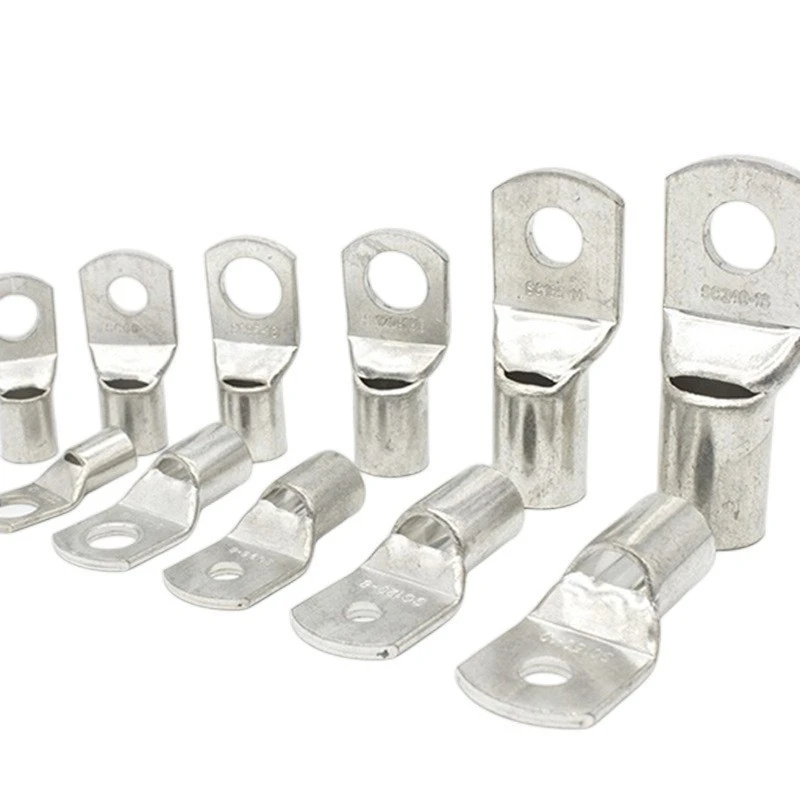
The Sc Copper Cable Lugs and SC Copper Terminal Lugs are two popular types of copper cable lugs offered by our company. These lugs are made of high-quality copper, which provides excellent electrical conductivity and corrosion resistance. They are designed to be easy to install and provide a reliable connection for your electrical cables.
Preparing the Cables
The first step in connecting multiple cables to a single copper cable lug is to prepare the cables. This involves stripping the insulation from the end of each cable to expose the bare copper conductor. The length of the stripped insulation should be sufficient to fit into the cable lug without causing any damage to the conductor.
To strip the insulation, you can use a cable stripper or a sharp knife. If using a cable stripper, make sure to select the appropriate size for the cable. Insert the cable into the stripper and squeeze the handles to cut through the insulation. Then, pull the insulation off the cable to expose the bare conductor.
If using a sharp knife, be careful not to cut into the conductor. Make a shallow cut around the circumference of the cable insulation, then peel the insulation off the cable. Once the insulation is removed, use a wire brush to clean the bare conductor to remove any dirt, oxidation, or other contaminants.
Selecting the Right Cable Lug
The next step is to select the right cable lug for your application. The size of the cable lug should be appropriate for the combined cross-sectional area of the cables you are connecting. You can refer to the cable lug manufacturer's specifications to determine the appropriate size for your cables.
In addition to the size, you also need to consider the type of cable lug. There are two main types of cable lugs: crimp-type and solder-type. Crimp-type cable lugs are the most common type and are easy to install. They use a crimping tool to compress the lug onto the cable conductor, creating a secure connection. Solder-type cable lugs require soldering the lug to the cable conductor, which provides a more permanent and reliable connection but requires more skill and time to install.
Connecting the Cables to the Cable Lug
Once you have selected the right cable lug and prepared the cables, you can start connecting the cables to the cable lug. The following steps outline the process for connecting multiple cables to a single copper cable lug using a crimp-type cable lug:
- Insert the Cables into the Cable Lug: Insert the stripped ends of the cables into the cable lug. Make sure that the cables are evenly spaced and that the bare conductors are fully inserted into the lug.
- Position the Cable Lug in the Crimping Tool: Place the cable lug in the appropriate die of the crimping tool. The die should be the correct size for the cable lug.
- Crimp the Cable Lug: Squeeze the handles of the crimping tool to compress the lug onto the cables. Apply sufficient force to ensure a secure connection. You may need to use a multiple crimping process to ensure that the lug is fully compressed.
- Inspect the Connection: After crimping, inspect the connection to ensure that the cables are securely held in the lug. Look for any signs of damage or deformation to the lug or the cables. If necessary, use a multimeter to test the electrical continuity of the connection.
If you are using a solder-type cable lug, the process is slightly different. After inserting the cables into the lug, you need to apply solder to the connection to create a permanent bond. Make sure to use the appropriate type of solder and flux for the application.
Safety Considerations
When connecting multiple cables to a single copper cable lug, it's important to follow all safety precautions to prevent electrical shock, fire, or other hazards. Here are some safety tips to keep in mind:
- Turn off the Power: Before starting any electrical work, make sure to turn off the power to the circuit at the main breaker or fuse box. This will prevent electrical shock and ensure your safety.
- Use the Right Tools: Use the appropriate tools for the job, such as cable strippers, crimping tools, and soldering irons. Make sure that the tools are in good working condition and are rated for the voltage and current of the circuit.
- Wear Protective Gear: Wear appropriate protective gear, such as safety glasses, gloves, and insulated clothing, to protect yourself from electrical shock and other hazards.
- Follow the Manufacturer's Instructions: Follow the manufacturer's instructions for the cable lugs and tools you are using. This will ensure that the connections are made correctly and safely.
Conclusion
Connecting multiple cables to a single copper cable lug is a straightforward process if you follow the right steps and safety precautions. As a copper cable lug supplier, we are committed to providing high-quality products and technical support to help you with your electrical installations. If you have any questions or need further assistance, please feel free to contact us to discuss your procurement needs. We look forward to working with you to provide the best solutions for your electrical projects.
References
- Electrical Wiring Handbook, 19th Edition
- National Electrical Code (NEC)
- Cable Lug Manufacturer's Specifications


