

What are the safety precautions when installing a circuit breaker?
Leave a message

When it comes to electrical systems, circuit breakers play a crucial role in ensuring safety and preventing electrical fires. As a circuit breakers supplier, I understand the importance of proper installation and the safety precautions that must be taken. In this blog post, I will share some essential safety precautions to keep in mind when installing a circuit breaker.
1. Turn Off the Power
The first and most important safety precaution is to turn off the power before starting any installation work. This may seem obvious, but it cannot be emphasized enough. Working on an energized circuit can lead to serious electrical shocks or even electrocution. Locate the main electrical panel and switch off the breaker that controls the circuit you will be working on. Use a voltage tester to confirm that the power is indeed off. This simple step can save your life and prevent damage to the electrical system.
2. Wear Appropriate Safety Gear
Wearing the right safety gear is essential when working with electrical systems. This includes insulated gloves, safety glasses, and a hard hat. Insulated gloves protect your hands from electrical shocks, while safety glasses shield your eyes from debris and sparks. A hard hat provides protection in case of any falling objects. Make sure the safety gear you use is in good condition and rated for the voltage you will be working with.
3. Choose the Right Circuit Breaker
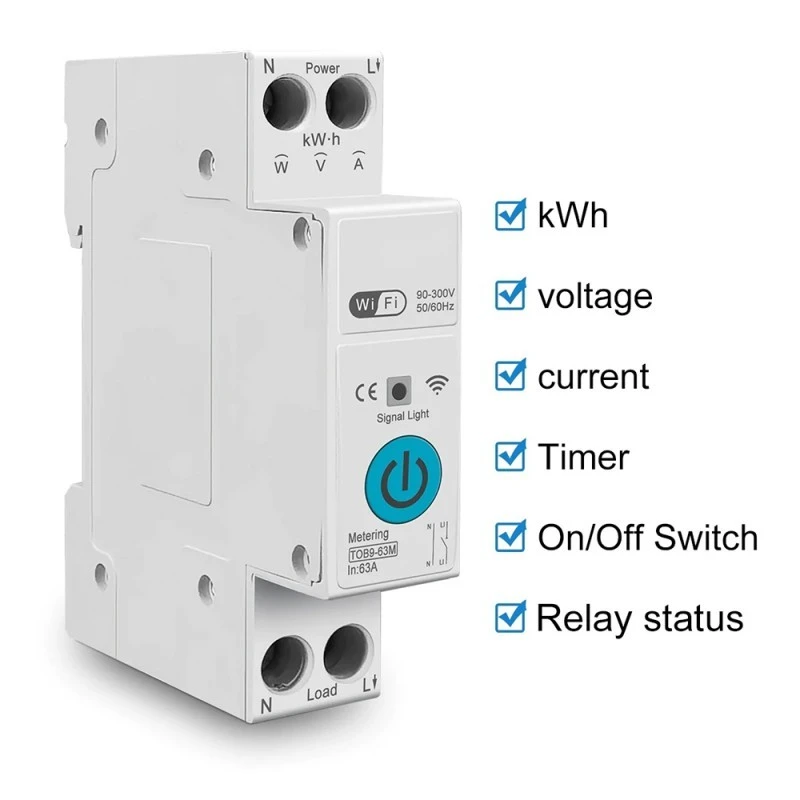
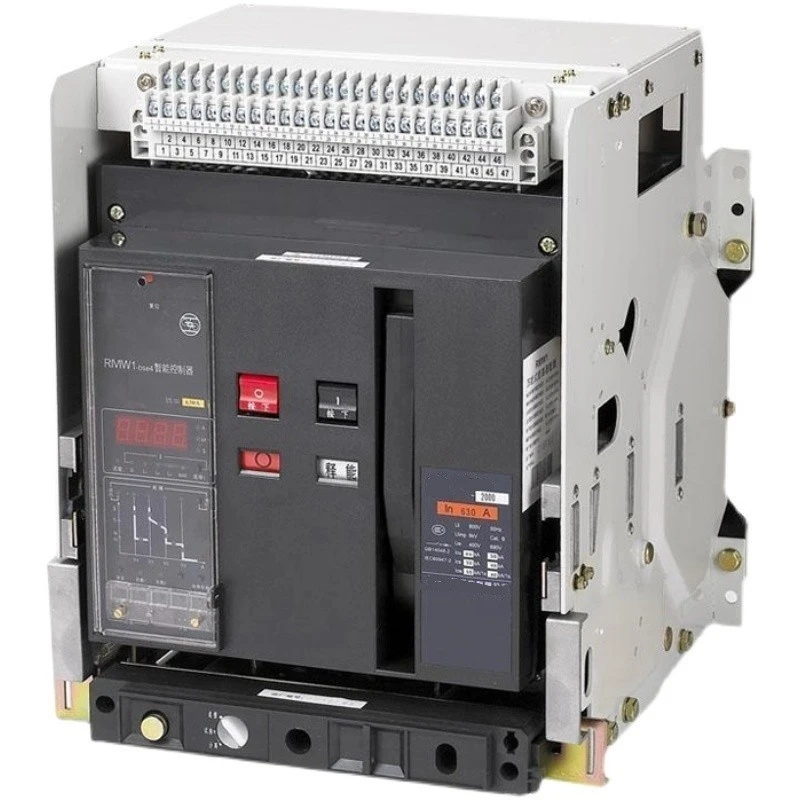
Selecting the correct circuit breaker is crucial for the safety and proper functioning of the electrical system. The circuit breaker should be rated for the amperage of the circuit it will be protecting. Using a breaker with a lower amperage rating can cause it to trip frequently, while using a breaker with a higher amperage rating can pose a fire hazard. Refer to the electrical code and the manufacturer's specifications to determine the appropriate breaker for your application. At our company, we offer a wide range of circuit breakers, including WiFi Smart Circuit Breaker and WiFi Smart Circuit Breaker Switch, which provide advanced features and enhanced safety.
4. Follow the Manufacturer's Instructions
Each circuit breaker comes with detailed installation instructions from the manufacturer. It is important to read and follow these instructions carefully. The instructions will provide information on the proper wiring, mounting, and testing procedures. Deviating from the manufacturer's instructions can void the warranty and may lead to unsafe installation. If you have any questions or are unsure about any step in the installation process, contact the manufacturer or a qualified electrician for assistance.
5. Check for Proper Wiring
Before installing the circuit breaker, carefully inspect the wiring in the electrical panel. Look for any signs of damage, such as frayed wires, loose connections, or corrosion. Damaged wiring can cause electrical problems and increase the risk of a fire. If you find any damaged wiring, repair or replace it before proceeding with the installation. Make sure the wires are properly sized and rated for the amperage of the circuit. Use wire strippers to remove the insulation from the wires and connect them to the appropriate terminals on the circuit breaker. Tighten the terminals securely to ensure a good electrical connection.
6. Install the Circuit Breaker Correctly
When installing the circuit breaker, make sure it is properly seated in the electrical panel. The breaker should fit snugly into the slot and be aligned with the other breakers. Use a screwdriver to secure the breaker to the panel. Do not overtighten the screws, as this can damage the breaker or the panel. Once the breaker is installed, double-check the wiring to ensure that all connections are correct and secure.
7. Test the Circuit Breaker
After installing the circuit breaker, it is important to test it to ensure that it is working properly. Turn on the power at the main electrical panel and then switch on the circuit breaker. Use a voltage tester to check for the presence of voltage at the outlets on the circuit. If the voltage is present, the circuit breaker is working correctly. Next, test the breaker's trip function by using a circuit breaker tester or by intentionally overloading the circuit. The breaker should trip and cut off the power to the circuit. If the breaker does not trip, there may be a problem with the installation or the breaker itself. In this case, turn off the power and contact a qualified electrician for further inspection.
8. Maintain a Safe Work Area
Keep the work area clean and free of clutter. Remove any tools or materials that are not needed for the installation. This will help prevent accidents and ensure that you have enough space to work safely. If you are working in a confined space, make sure there is adequate ventilation to prevent the buildup of harmful gases.
9. Be Aware of Potential Hazards
When working with electrical systems, there are several potential hazards to be aware of. These include electrical shocks, fires, and arc flashes. An arc flash is a sudden release of electrical energy that can cause serious burns and injuries. To minimize the risk of an arc flash, use arc-rated safety gear and follow the proper safety procedures. Be careful when working near live electrical components and avoid touching them with your bare hands.
10. Seek Professional Help if Needed
Installing a circuit breaker can be a complex and dangerous task, especially if you are not familiar with electrical systems. If you are unsure about any aspect of the installation or if you encounter any problems, do not hesitate to seek professional help. A qualified electrician has the knowledge and experience to install the circuit breaker safely and correctly.
In conclusion, installing a circuit breaker requires careful attention to safety. By following these safety precautions, you can ensure that the installation is done correctly and that the electrical system is safe to use. At our company, we are committed to providing high-quality circuit breakers and excellent customer service. If you have any questions or need assistance with circuit breaker installation, please feel free to contact us. We are here to help you make the right choice and ensure the safety of your electrical system.
References
- National Electrical Code (NEC)
- Circuit breaker manufacturer's installation instructions


