

How do SC Copper Terminal Lugs perform in dusty environments?
Leave a message

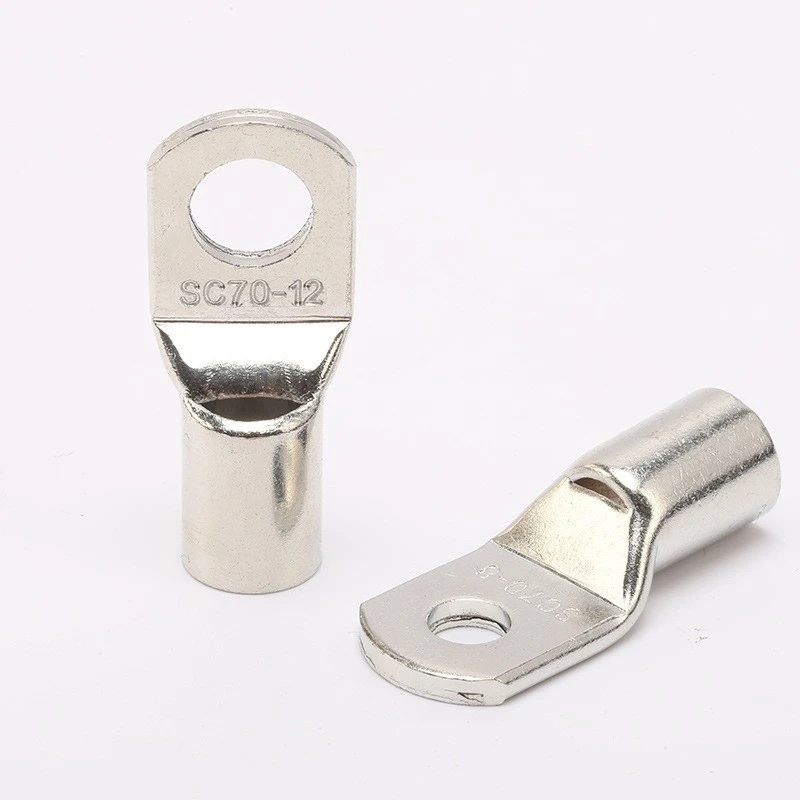
As a supplier of SC Copper Terminal Lugs, I've witnessed firsthand the diverse environments in which these components operate. One of the most challenging settings is the dusty environment. In this blog, I'll delve into how SC Copper Terminal Lugs perform in such conditions, exploring their characteristics, potential issues, and solutions.
Characteristics of SC Copper Terminal Lugs
SC Copper Terminal Lugs are known for their excellent electrical conductivity, high mechanical strength, and corrosion resistance. Copper, as the primary material, has a low resistivity, which ensures efficient electrical transmission. This is crucial for applications where minimizing power loss is essential.
The mechanical strength of these lugs allows them to withstand the rigors of installation and operation. They can be securely fastened to cables and electrical equipment, providing a stable connection. Additionally, the corrosion resistance of copper helps protect the lugs from damage caused by environmental factors, such as moisture and chemicals.
Performance in Dusty Environments
1. Electrical Conductivity
Dust can accumulate on the surface of SC Copper Terminal Lugs, potentially affecting their electrical conductivity. When dust particles settle on the contact surfaces, they can create a thin layer that increases the contact resistance. This, in turn, can lead to increased power loss and heat generation.
However, the high conductivity of copper helps mitigate the impact of dust. Even with a thin layer of dust, the copper still provides a relatively low-resistance path for electrical current. Moreover, the smooth surface of the lugs reduces the adhesion of dust particles, making it easier for the dust to be removed during normal operation or maintenance.
2. Mechanical Integrity
Dust can also pose a threat to the mechanical integrity of SC Copper Terminal Lugs. In a dusty environment, dust particles can enter the connection points between the lugs and the cables or equipment. Over time, this can cause abrasion and wear, weakening the connection and potentially leading to loose or faulty connections.
To address this issue, SC Copper Terminal Lugs are designed with tight-fitting connections. The lugs are crimped or bolted securely to the cables, preventing dust from entering the connection points. Additionally, the high mechanical strength of copper allows the lugs to withstand the forces generated by the movement of the cables and equipment, reducing the risk of damage.
3. Corrosion Resistance
While copper is inherently corrosion-resistant, dust can contain chemicals and contaminants that can accelerate the corrosion process. In a dusty environment, these contaminants can react with the copper surface, causing oxidation and corrosion.
To enhance the corrosion resistance of SC Copper Terminal Lugs, they are often coated with a protective layer. This layer acts as a barrier, preventing the dust and contaminants from coming into direct contact with the copper surface. Additionally, regular maintenance and cleaning can help remove the dust and contaminants, reducing the risk of corrosion.
Potential Issues and Solutions
1. Increased Contact Resistance
As mentioned earlier, dust can increase the contact resistance of SC Copper Terminal Lugs. This can lead to increased power loss, heat generation, and potential damage to the electrical system.
To address this issue, regular cleaning and maintenance are essential. By removing the dust from the contact surfaces, the contact resistance can be reduced, ensuring efficient electrical transmission. Additionally, using a conductive grease can help improve the contact between the lugs and the cables or equipment, further reducing the contact resistance.
2. Loose Connections
Dust can cause abrasion and wear at the connection points, leading to loose connections. This can result in intermittent electrical contact, which can cause electrical faults and damage to the equipment.
To prevent loose connections, it is important to ensure that the lugs are properly installed and tightened. Regular inspections should be conducted to check the tightness of the connections and to detect any signs of wear or damage. If necessary, the lugs should be replaced to ensure a secure and reliable connection.
3. Corrosion
Corrosion can weaken the SC Copper Terminal Lugs and reduce their electrical conductivity. In a dusty environment, the risk of corrosion is increased due to the presence of chemicals and contaminants in the dust.
To prevent corrosion, the lugs should be coated with a protective layer. This layer can be a paint, a plating, or a special coating that provides a barrier against the dust and contaminants. Additionally, regular cleaning and maintenance can help remove the dust and contaminants, reducing the risk of corrosion.
Conclusion
In conclusion, SC Copper Terminal Lugs perform well in dusty environments, thanks to their excellent electrical conductivity, high mechanical strength, and corrosion resistance. However, dust can still pose a threat to their performance, potentially causing increased contact resistance, loose connections, and corrosion.
To ensure the optimal performance of SC Copper Terminal Lugs in dusty environments, regular cleaning and maintenance are essential. By removing the dust from the contact surfaces, ensuring proper installation and tightening, and applying a protective coating, the lugs can provide a reliable and efficient electrical connection.
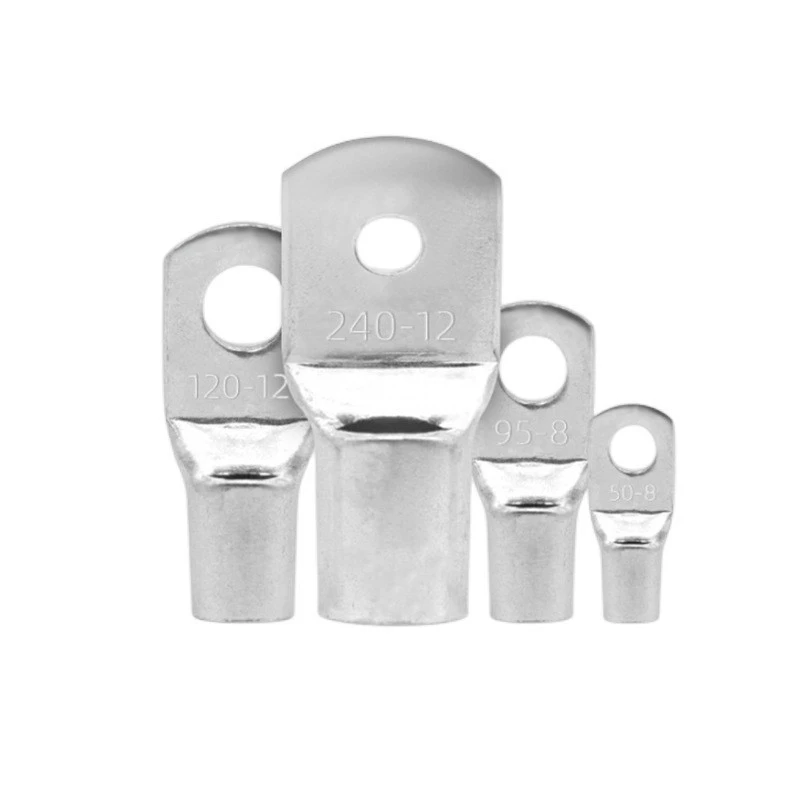
If you are looking for high-quality SC Copper Terminal Lugs for your dusty environment applications, SC Copper Terminal Lugs are an excellent choice. We offer a wide range of SC Copper Terminal Lugs that are designed to meet the highest standards of quality and performance. Contact us today to discuss your specific requirements and to learn more about our products.
References
- "Electrical Conductivity of Copper." Handbook of Electrical Engineering.
- "Mechanical Properties of Copper." Materials Science and Engineering.
- "Corrosion Resistance of Copper." Corrosion Science and Engineering.


