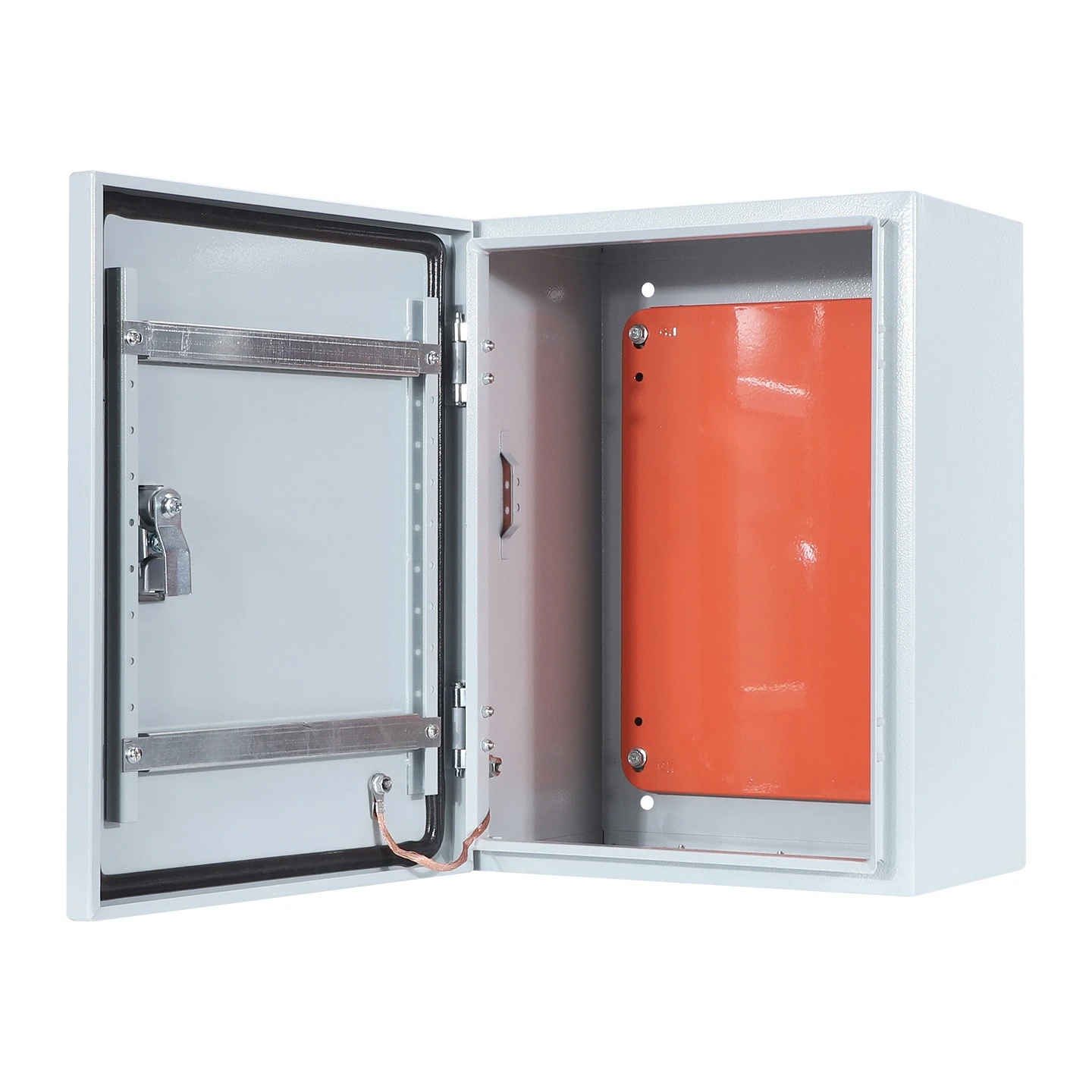
The principle of a distribution box
Leave a message
The core principle of a distribution box is to distribute, control, and protect external power input before distributing it to various electrical circuits. Simply put, it acts as a "power distribution and management center," dividing a main power supply into multiple circuits according to different needs and ensuring that each circuit operates within safe limits.
Structurally, a distribution box typically consists of circuit breakers, residual current devices (RCDs), fuses, contactors, and busbars. Current enters from the input terminal, first passing through the main switch and protection devices, and then being distributed to various branch circuits via the busbars. Each branch circuit has an independent switch control; if an overload, short circuit, or leakage occurs in one circuit, the protection device will automatically disconnect that circuit without affecting other normal circuits.
The protection mechanism is one of the key principles of a distribution box. Circuit breakers detect abnormalities by detecting the current magnitude, while RCDs monitor the current difference between the live and neutral wires. When leakage or abnormal current occurs, the system will cut off the power supply in a very short time, thus preventing equipment damage or electric shock. This rapid power-off mechanism is a crucial guarantee of electrical safety.
From an operational perspective, the distribution box is responsible for both "distributing electrical energy" and "managing risks." It allows electricity to be delivered to different loads such as lighting, sockets, air conditioners, or industrial equipment as needed, while also isolating faults through tiered protection, making the entire power system more stable, safe, and controllable.