

Can a grounding electrode rod be used for lightning protection?
Leave a message

A grounding electrode rod is a typical component in electrical grounding systems, serving to provide a low - resistance path to the earth for electrical current. Meanwhile, lightning protection is an extremely crucial aspect in safeguarding structures and electrical equipment from the destructive force of lightning strikes. A question often arises in the field of electrical engineering and protection: Can a grounding electrode rod be used for lightning protection? As a supplier of Grounding Electrode Rods, I'll delve into this topic from multiple perspectives.
Understanding Grounding Electrode Rods
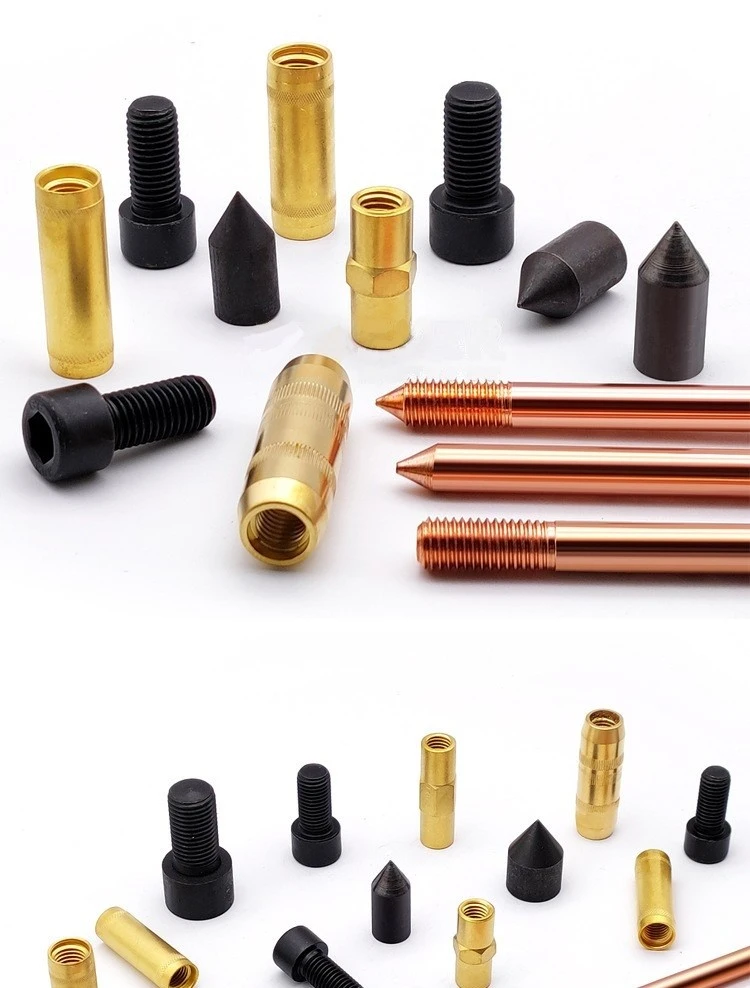
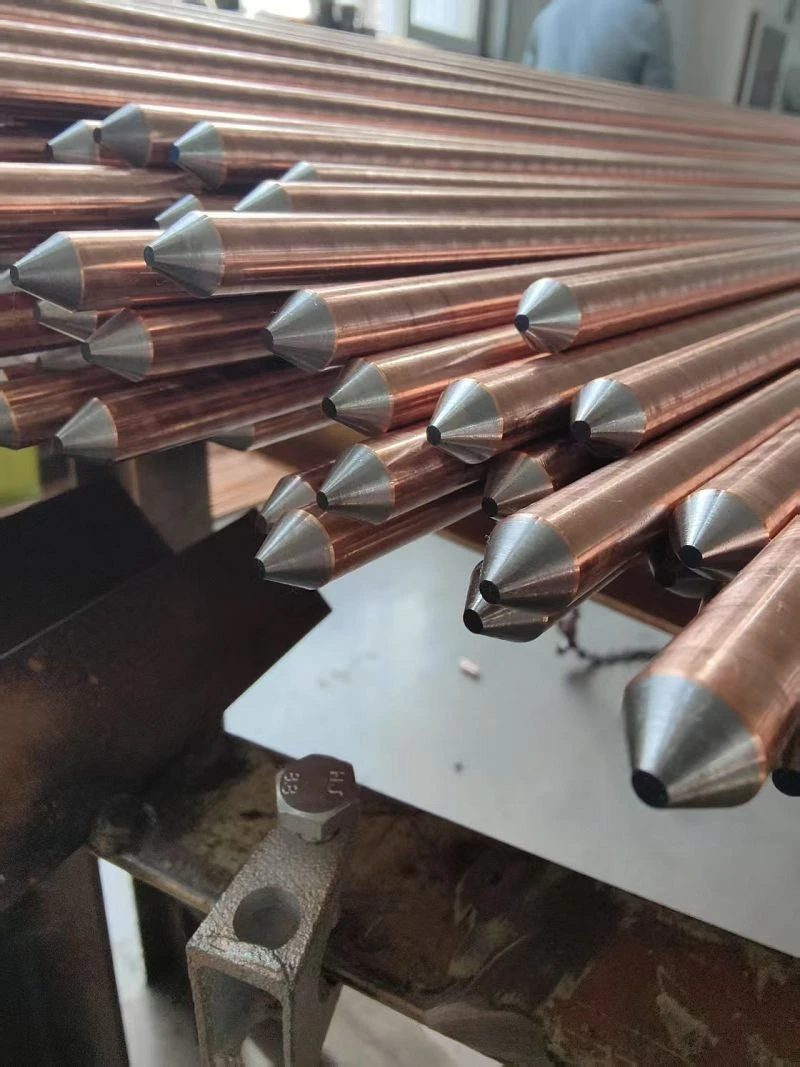
A grounding electrode rod is commonly made of conductive materials such as copper - clad steel or solid copper. It is installed vertically into the ground, often reaching a depth of several feet to establish a reliable connection with the earth. The main function of this rod is to disperse electrical energy into the ground, preventing the build - up of dangerous voltages in electrical systems. In normal electrical operations, it ensures the safety of electrical devices by providing a path for fault currents. For instance, when a short - circuit occurs in an electrical appliance, the grounding electrode rod allows the excessive current to flow safely into the ground, protecting both the equipment and the users.
To understand more about our high - quality Grounding Electrode Rods, you can visit Grounding Electrode Rod.
The Nature of Lightning and Its Threat
Lightning is a powerful natural electrical discharge that can release an enormous amount of energy in a very short time. A single lightning strike can generate tens of thousands of amperes of current and extremely high voltages. When lightning strikes a structure, it can cause a variety of damage, including fire, electrical system failures, and physical destruction of buildings. Therefore, any lightning protection system must be capable of withstanding and safely dissipating this massive amount of energy.
Can a Grounding Electrode Rod Alone Provide Lightning Protection?
In general, a single grounding electrode rod is not sufficient for proper lightning protection. While a grounding electrode rod can disperse some electrical current into the ground, the energy of a lightning strike is far beyond what a typical grounding electrode rod can handle on its own.
The adequacy of a grounding electrode rod for lightning protection depends on several factors:
- Soil resistivity: The resistivity of the soil where the rod is installed plays a vital role. High - resistivity soil, such as dry sand or rocky ground, can impede the flow of electrical current into the ground. In areas with high soil resistivity, a single grounding electrode rod may not be able to establish a low - resistance path quickly enough to handle the large surge of lightning current.
- Rod specifications: The diameter, length, and material of the grounding electrode rod also affect its performance. A thicker and longer rod generally has a lower resistance, but even a well - sized rod may be overwhelmed by a direct lightning strike.
- Lightning characteristics: The intensity and duration of a lightning strike vary. Some lightning strikes can be extremely powerful, and a single grounding electrode rod may not have the capacity to disperse all the energy rapidly.
For example, a small residential building may have a basic grounding electrode rod in place for normal electrical safety. But when a severe thunderstorm with frequent and intense lightning occurs, this single rod will not be able to provide comprehensive lightning protection. Lightning may still cause damage to the electrical systems and the structure itself due to the inability to safely divert the high - energy lightning current.
The Role of Grounding Electrode Rods in Lightning Protection Systems
Although a single grounding electrode rod isn't enough for full - fledged lightning protection, it is an essential part of a comprehensive lightning protection system. In a well - designed lightning protection system, multiple grounding electrode rods are often used in combination with other components, such as air terminals and down - conductors.
- Air terminals: These are mounted on the highest points of a structure, such as the roof. Their function is to attract lightning strikes, acting as a preferred point for the lightning to attach rather than the structure itself.
- Down - conductors: They provide a low - resistance path for the lightning current to flow from the air terminals to the grounding electrode rods. Down - conductors are usually made of highly conductive materials like copper or aluminum.
- Grounding electrode rods: Once the lightning current reaches the ground through the down - conductors, the grounding electrode rods disperse this energy into the earth. Multiple rods are interconnected to create a larger grounding network, which reduces the overall grounding resistance and can handle the large amount of energy from a lightning strike more effectively.
For instance, in a commercial high - rise building, a sophisticated lightning protection system is installed. The air terminals on the roof capture the lightning, the down - conductors transfer the current along the building's structure, and the network of grounding electrode rods at the base safely dissipates the energy into the ground.
If you are interested in our Lightning Protection Grounding Rod, which is designed to be part of such a comprehensive protection system, feel free to explore the details on our website.
Installation and Maintenance Considerations
When using grounding electrode rods for lightning protection, proper installation and regular maintenance are crucial.
- Installation:
- Depth: The grounding electrode rod should be installed to an appropriate depth. In most cases, a depth of at least 8 feet is recommended to ensure a good connection with the earth.
- Spacing: When multiple grounding electrode rods are used, they need to be spaced at a proper distance. A common spacing is about 6 - 8 feet to avoid interference and to ensure an effective grounding network.
- Connection: The connection between the down - conductors and the grounding electrode rods must be secure and have low resistance. Poor connections can lead to increased resistance and may prevent the proper dissipation of lightning current.
- Maintenance:
- Inspection: Regular inspections should be carried out to check for any signs of corrosion, damage, or loosening of connections. Corrosion can increase the resistance of the grounding system, reducing its effectiveness.
- Testing: Periodic testing of the grounding resistance is necessary. A high - resistance grounding system may not be able to safely handle the lightning current. If the resistance exceeds the acceptable level, corrective actions such as adding more grounding electrode rods or treating the soil may be required.
Conclusion
In conclusion, while a single grounding electrode rod cannot be used independently for lightning protection, it is a fundamental and indispensable component in a comprehensive lightning protection system. By combining it with air terminals, down - conductors, and other elements, and ensuring proper installation and maintenance, we can create an effective lightning protection solution.
As a supplier of high - quality Grounding Electrode Rods, we are committed to providing reliable products that meet the highest standards of quality and performance. Our products are designed to be part of a robust lightning protection and electrical grounding system. If you are in need of grounding electrode rods for your electrical or lightning protection projects, we invite you to contact us for procurement discussions. Our team of experts can provide you with detailed technical support and customized solutions to meet your specific needs.
References
- "Electrical Wiring Residential" by Ron Miller, offers in - depth knowledge about grounding systems and electrical safety.
- "Lightning Protection for Structures" published by the Institute of Electrical and Electronics Engineers (IEEE), which provides industry - standard guidelines on lightning protection design and implementation.


