

What is the safety distance between a grounding electrode rod and other structures?
Leave a message

What is the safety distance between a grounding electrode rod and other structures?
As a trusted supplier of Grounding Electrode Rods, I often encounter customers with questions regarding the safety distance between grounding electrode rods and other structures. This is a crucial topic in electrical safety, directly impacting the effectiveness of grounding systems and the overall safety of a facility.
Understanding the Basics of Grounding Electrode Rods
Grounding electrode rods are key components in electrical grounding systems. Their primary function is to provide a low - resistance path for electrical currents to flow into the ground. This helps to protect people and equipment from electrical faults, lightning strikes, and static electricity. When an electrical fault occurs, the grounding rod diverts the excess current away from the equipment and structures, preventing damage and potential hazards.
For instance, in the event of a lightning strike, a well - installed grounding electrode rod can safely channel the massive electrical energy into the earth, reducing the risk of fire, explosion, and damage to sensitive electronic devices. Lightning Protection Grounding Rods are specifically designed for this purpose, with features that enhance their ability to handle high - energy surges.
Factors Affecting the Safety Distance
Several factors influence the required safety distance between a grounding electrode rod and other structures.
-
Soil Resistivity:
Soil resistivity plays a significant role. High - resistivity soils, such as dry sand or rocky terrain, require a larger grounding electrode system to achieve a low - resistance path. In such cases, the distance between the grounding rod and other structures may need to be increased to ensure that the electrical field around the rod does not interfere with other conductive elements. For example, in a sandy area, the resistance of the soil may be 1000 ohm - meters or more, compared to moist clay soil, which can have a resistivity of around 100 ohm - meters. -
Type of Structures:
Different structures have different electrical characteristics. Metal structures, such as steel buildings or pipelines, are good conductors of electricity. If a grounding electrode rod is placed too close to these structures, there is a risk of electrical coupling, where the electrical current from the rod can flow into the neighboring structure. This can lead to corrosion of the metal and potential electrical hazards. Non - metal structures, on the other hand, may be less affected by the electrical field of the grounding rod, but still need to be considered in terms of physical access and potential damage during installation and maintenance. -
Electrical Load and Voltage Levels:
Higher electrical loads and voltage levels generate stronger electrical fields around the grounding electrode rod. In an industrial setting with high - voltage electrical equipment, the safety distance needs to be increased to prevent electrical interference and ensure the safety of personnel and equipment. For example, in a power substation, where the voltage can be very high, the grounding system must be carefully designed to keep the electrical field away from other sensitive components.
Recommended Safety Distances
While there is no one - size - fits - all answer for the safety distance, some general guidelines can be followed.
-
From Buildings:
Generally, a minimum distance of 1 - 2 meters is recommended between a grounding electrode rod and the foundation of a building. This helps to prevent the electrical current from the rod from affecting the building's electrical systems and causing corrosion in the building's metallic parts. However, in areas with high soil resistivity or high - voltage applications, a greater distance may be required. -
From Underground Pipelines:
For underground pipelines, a safety distance of at least 3 meters is often recommended. This distance helps to prevent the electrical current from the grounding rod from causing electrochemical corrosion in the pipeline. Additionally, it reduces the risk of electrical interference with the pipeline's monitoring and control systems. -
From Other Grounding Systems:
If there are multiple grounding systems in the same area, such as separate grounding for different electrical equipment or for lightning protection, a minimum distance of 2 - 3 meters between the grounding electrode rods should be maintained. This helps to ensure that the grounding systems operate independently and do not interfere with each other.
The Importance of Accurate Installation
Proper installation of grounding electrode rods is essential for maintaining the correct safety distance. During the installation process, it is important to carefully measure and mark the location of the rod based on the specific requirements of the site. The rod should be driven vertically into the ground to a sufficient depth, usually at least 2.5 meters, to ensure good contact with the soil.
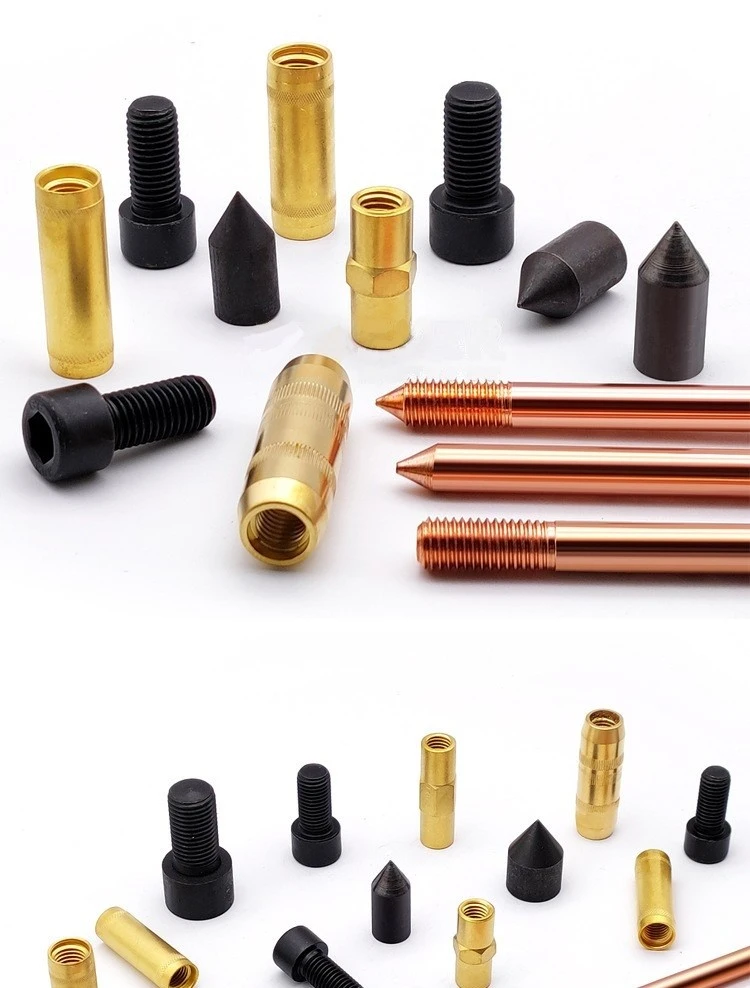
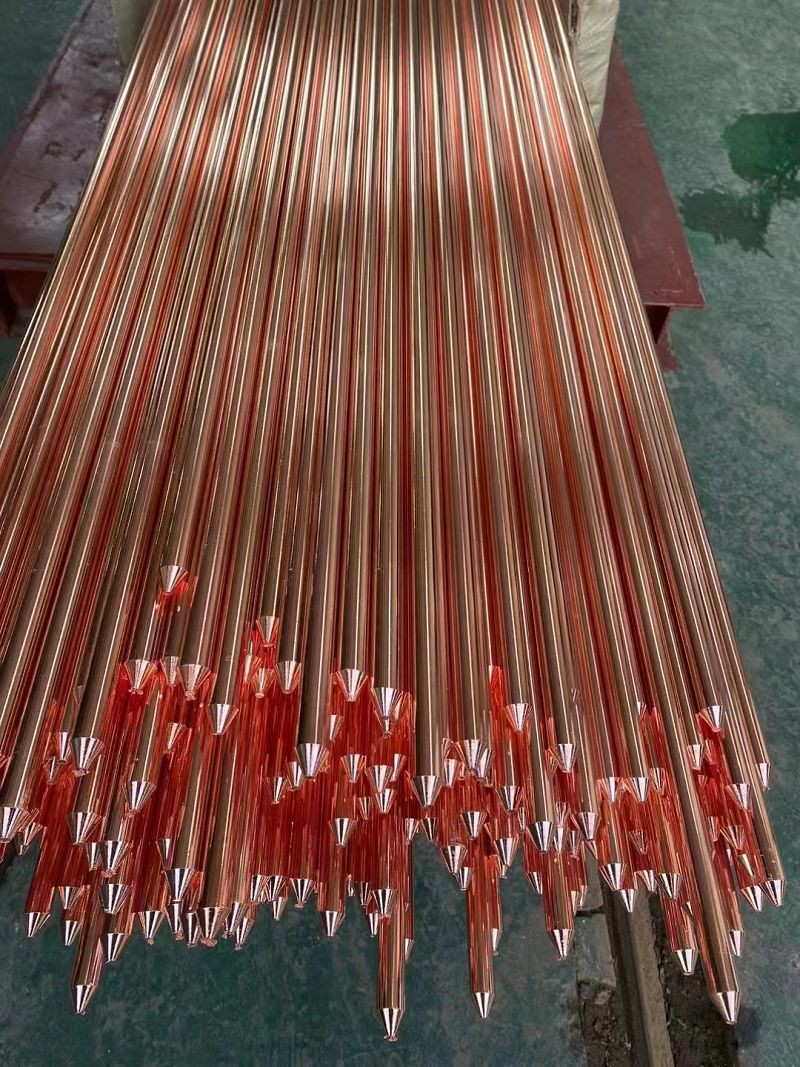
It is also important to use the correct type of grounding electrode rod for the application. Different materials, such as copper - clad steel, stainless steel, or galvanized steel, have different electrical and corrosion - resistant properties. For example, in a coastal area with high soil salinity, a stainless - steel grounding electrode rod may be more suitable than a galvanized one due to its better corrosion resistance.
Compliance with Standards
Adhering to national and international electrical standards is crucial when determining the safety distance between grounding electrode rods and other structures. Standards such as the National Electrical Code (NEC) in the United States or the International Electrotechnical Commission (IEC) standards provide detailed guidelines on grounding system design and installation. These standards ensure that the grounding systems are safe and effective, protecting both people and property.
Contact for Professional Advice and Purchase
If you are in need of grounding electrode rods or have questions about the safety distance and installation of grounding systems, we are here to help. Our team of experts has extensive experience in the field of electrical grounding and can provide you with professional advice tailored to your specific needs. Whether you are working on a small residential project or a large industrial installation, we have the right grounding solutions for you.
We offer a wide range of high - quality Grounding Electrode Rods and Lightning Protection Grounding Rods that meet the highest industry standards. Contact us to discuss your requirements and start a successful project with our reliable grounding products.
References
- National Electrical Code (NEC), Various Editions.
- International Electrotechnical Commission (IEC) publications related to electrical grounding.
- Textbooks on Electrical Engineering, especially those covering grounding systems and electrical safety.


