

What is the purpose of circuit breakers?
Leave a message

In the realm of electrical systems, circuit breakers stand as unsung heroes, silently safeguarding our daily lives and industrial operations. As a circuit breaker supplier, I've witnessed firsthand the crucial role these devices play in maintaining electrical safety and reliability. In this blog, I'll delve into the purpose of circuit breakers, exploring their functions, types, and the significance of their application in various settings.
The Fundamental Purpose of Circuit Breakers
At its core, the primary purpose of a circuit breaker is to protect electrical circuits from damage caused by overcurrent, short circuits, and other electrical faults. When an abnormal current flow occurs, such as when a circuit is overloaded or a short circuit develops, the circuit breaker automatically interrupts the flow of electricity, preventing further damage to the electrical system and reducing the risk of fire or electrical shock.
Imagine a scenario where an electrical appliance draws more current than the circuit can handle. Without a circuit breaker, the excessive current could cause the wires to overheat, potentially leading to a fire. However, when a circuit breaker detects the overcurrent, it trips, cutting off the power supply to the circuit and preventing the dangerous situation from escalating.
Types of Circuit Breakers and Their Applications
There are several types of circuit breakers, each designed to meet specific requirements and applications. Here are some of the most common types:
Molded Case Circuit Breakers
Molded case circuit breakers (MCCBs) are widely used in commercial and industrial applications. They are designed to protect circuits from overcurrent and short circuits and can handle a wide range of current ratings. Advanced Molded Case Circuit Breaker is an example of a high - performance MCCB that offers advanced features such as adjustable trip settings and enhanced protection capabilities.
Smart Circuit Breakers
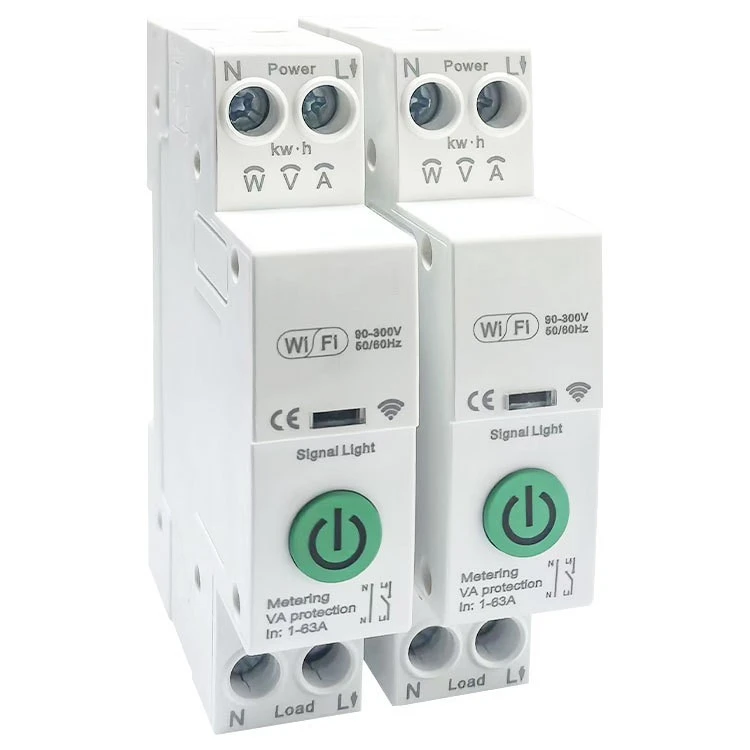
With the advent of smart technology, smart circuit breakers have become increasingly popular. These breakers are equipped with sensors and communication capabilities, allowing them to monitor electrical parameters in real - time and provide remote control and monitoring functions. The WiFi Smart Circuit Breaker Switch is a prime example of a smart circuit breaker that enables users to control and monitor their electrical circuits from anywhere using a smartphone or other smart devices.
Air Circuit Breakers
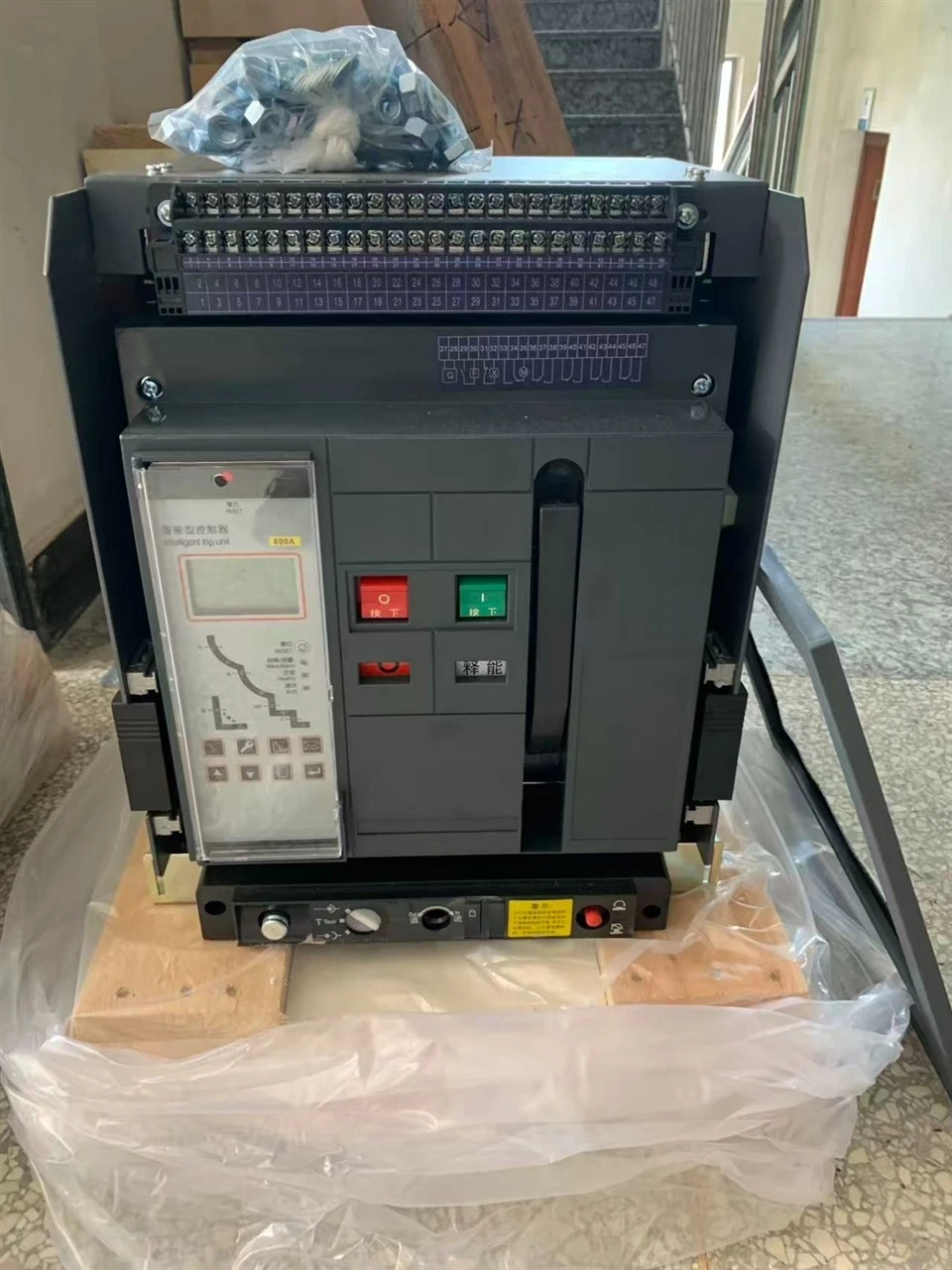
Air circuit breakers (ACBs) are typically used in high - power applications, such as industrial plants and large commercial buildings. They are designed to handle high current and voltage levels and provide reliable protection against overcurrent and short circuits. The Intelligent Air Circuit Breaker offers intelligent features such as self - diagnosis and communication capabilities, making it suitable for modern electrical systems.
Pole Mounted Circuit Breakers
Pole mounted circuit breakers are used in outdoor electrical distribution systems, such as those found in rural areas or along power lines. They are designed to protect the distribution network from overcurrent and short circuits and are often installed on utility poles. The Pole Mounted Circuit Breaker is a reliable solution for outdoor electrical protection.
Distribution Panelboards
Distribution panelboards are used to distribute electrical power from a main source to multiple circuits. They are an essential part of any electrical system and often incorporate circuit breakers to protect the individual circuits. The LV Distribution Panelboard provides a convenient and organized way to manage electrical distribution while ensuring the safety of the circuits.
The Significance of Circuit Breakers in Different Settings
Residential Settings
In residential settings, circuit breakers are crucial for protecting the electrical system from overloading and short circuits. They help prevent electrical fires and ensure the safety of the occupants. For example, when multiple high - power appliances are used simultaneously in a home, the circuit breaker can detect the overcurrent and trip, protecting the wiring and the appliances from damage.
Commercial Settings
In commercial buildings, circuit breakers play a vital role in maintaining the reliability of the electrical system. They protect sensitive equipment such as computers, servers, and lighting systems from electrical faults, minimizing downtime and ensuring the smooth operation of the business. Additionally, circuit breakers in commercial settings need to be able to handle higher current loads and offer advanced protection features to meet the specific requirements of the building.
Industrial Settings
In industrial settings, circuit breakers are essential for protecting large - scale electrical equipment and machinery. They can withstand high current and voltage levels and provide reliable protection against short circuits and overcurrent. Industrial circuit breakers often need to be able to operate in harsh environments and offer long - term reliability to ensure the continuous operation of the production process.
The Evolution of Circuit Breakers
Over the years, circuit breakers have undergone significant evolution. Early circuit breakers were simple mechanical devices that relied on thermal or magnetic principles to trip when an overcurrent occurred. However, with the advancement of technology, modern circuit breakers are now equipped with digital sensors, microprocessors, and communication capabilities.
These advanced features allow circuit breakers to provide more accurate and reliable protection. For example, digital circuit breakers can monitor electrical parameters such as current, voltage, and power factor in real - time and adjust their trip settings accordingly. They can also communicate with other devices in the electrical system, enabling remote monitoring and control.
The Future of Circuit Breakers
The future of circuit breakers looks promising, with continued advancements in technology. We can expect to see more intelligent and connected circuit breakers that offer enhanced functionality and improved safety. For example, circuit breakers may be integrated with renewable energy sources such as solar panels and wind turbines to manage the flow of electricity more efficiently.
In addition, the development of new materials and manufacturing techniques may lead to the production of smaller, more efficient, and more cost - effective circuit breakers. These advancements will further enhance the performance and reliability of electrical systems, making them safer and more sustainable.
Conclusion
As a circuit breaker supplier, I understand the importance of providing high - quality circuit breakers that meet the diverse needs of our customers. Circuit breakers are not just simple electrical devices; they are essential components that ensure the safety and reliability of electrical systems in various settings.
Whether you are a homeowner looking to protect your electrical system, a business owner seeking to ensure the smooth operation of your commercial building, or an industrial operator in need of reliable protection for your machinery, choosing the right circuit breaker is crucial.
If you are interested in learning more about our circuit breaker products or have any questions regarding your specific requirements, we invite you to reach out to us. Our team of experts is ready to assist you in selecting the most suitable circuit breakers for your application and to provide you with professional advice and support.
References
- Electrical Safety Foundation International. (2023). Circuit Breakers: How They Work and Why They're Important.
- IEEE Standards Association. (2022). Standards for Electrical Protection Devices.
- National Fire Protection Association. (2021). Electrical Codes and Standards.


