

How to ensure the reliability of a distribution panelboard?
Leave a message

Hey there! I'm a supplier of distribution panelboards, and I've had my fair share of experiences in this field. One question that keeps coming up time and time again is, "How to ensure the reliability of a distribution panelboard?" Well, buckle up, because I'm about to share some tips and tricks that I've picked up over the years.
Use High - Quality Components
First things first, the components used in a distribution panelboard play a huge role in its reliability. You wouldn't build a house with shoddy materials, right? The same goes for panelboards. When I'm sourcing components for my panelboards, I always go for high - quality stuff. For example, the circuit breakers are like the guardians of the panelboard. They protect the system from overcurrents and short - circuits. If you use low - quality breakers, they might not trip when they're supposed to, which can lead to some serious problems, like electrical fires or damage to equipment.
Another important component is the busbar. It's responsible for distributing electrical power within the panelboard. A well - made busbar is made from high - conductivity materials like copper or aluminum. These materials ensure that the electricity flows smoothly without any unnecessary resistance, which can cause heat buildup and ultimately affect the panelboard's performance.
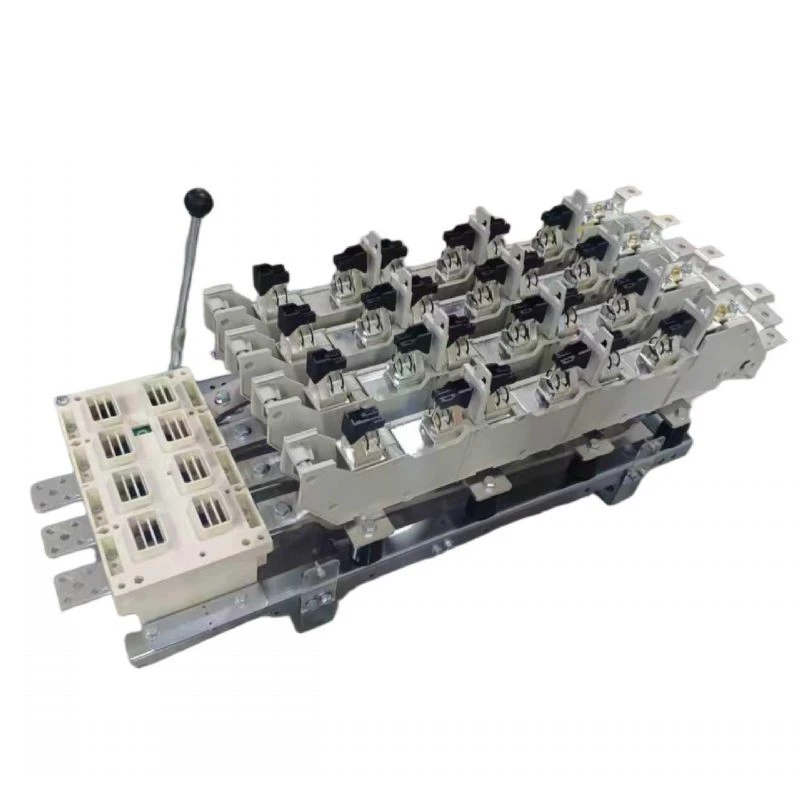
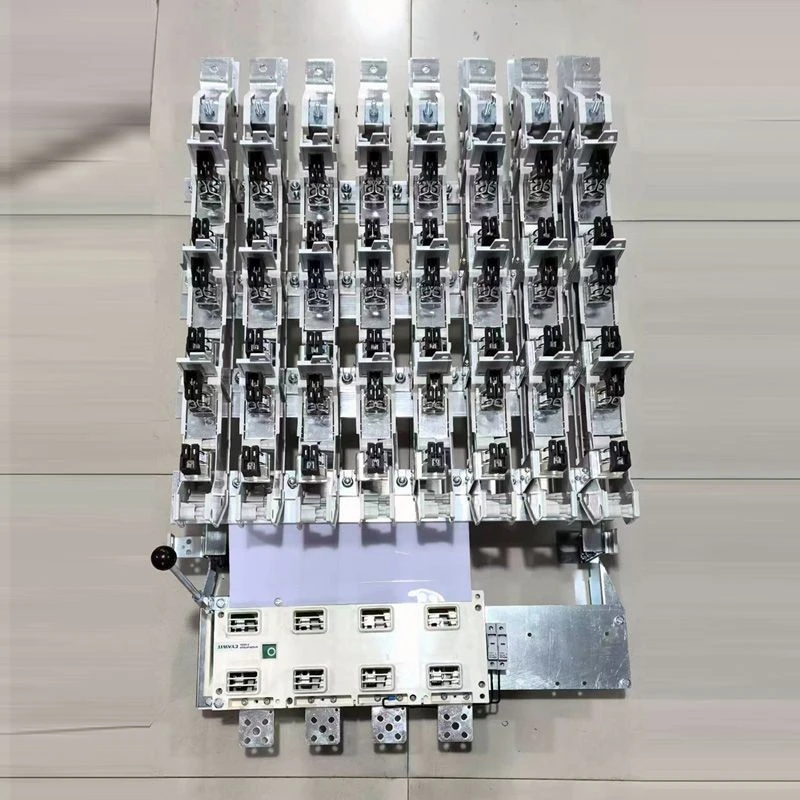
As a supplier, I always make sure to provide detailed information about the components used in my LV Distribution Panelboard. This way, customers can have peace of mind knowing exactly what they're getting.
Proper Design and Installation
Good design is the foundation of a reliable distribution panelboard. The layout of the panelboard should be well - thought - out. All the components should be arranged in a way that allows for easy access during maintenance and repairs. For instance, the breakers should be clearly labeled and positioned in an orderly manner so that an electrician can quickly identify and operate them.
When it comes to installation, it must be done by a qualified professional. I've seen some DIY installation gone wrong, and it's not pretty. A proper installation ensures that the panelboard is grounded correctly, the wiring is done neatly, and all connections are tight. Loose connections can lead to arcing, which is a major safety hazard.
During the design phase, it's also crucial to consider the electrical load requirements. The panelboard should be sized appropriately for the intended application. An undersized panelboard can overheat and fail, while an oversized one is a waste of resources. For larger electrical systems, our LV Power Distribution Panelboards are designed to handle heavy loads efficiently.
Regular Maintenance
Just like a car needs regular servicing, a distribution panelboard requires routine maintenance. Over time, dust, dirt, and moisture can accumulate inside the panelboard. This can cause corrosion of the components and affect their performance. I recommend cleaning the panelboard at least once a year to prevent this.
Inspection of the components is also vital. Check for any signs of wear and tear, such as cracked insulation on the wires or damaged breakers. Replace any faulty components immediately to avoid any potential issues down the line.
In addition, regular testing of the circuit breakers and other protective devices is necessary. This ensures that they will function properly in case of an electrical fault. Some people might think that maintenance is an unnecessary expense, but trust me, it's a lot cheaper than dealing with a major electrical failure.
Environmental Considerations
The environment in which the distribution panelboard is installed can have a big impact on its reliability. If the panelboard is installed in a harsh environment, such as a factory with high levels of dust or a coastal area with high humidity, special precautions need to be taken.
For dusty environments, a sealed panelboard can prevent dust from getting inside and causing damage. In coastal areas, corrosion - resistant materials should be used to protect the components from saltwater.
Temperature is another important factor. Panelboards generate heat during normal operation, and if they're installed in a hot environment without proper ventilation, the heat can build up and cause the components to fail. Make sure there is enough space around the panelboard for air to circulate.
Quality Control During Manufacturing
As a supplier, quality control is at the heart of what I do. Every distribution panelboard that leaves my facility goes through a rigorous quality control process. We test each panelboard for electrical performance, insulation resistance, and mechanical integrity.
We also follow international standards and regulations to ensure that our products are safe and reliable. This not only gives our customers confidence in our products but also helps us avoid any legal issues.
Training for Users
Even if you have the most reliable distribution panelboard in the world, it won't be useful if the users don't know how to operate it properly. That's why I offer training to my customers on how to use and maintain the panelboards.
This training includes basic electrical safety procedures, how to read the panelboard labels, and what to do in case of an emergency. By educating the users, we can reduce the risk of human - error - related problems and ensure the long - term reliability of the panelboard.
Fault Detection and Monitoring Systems
In today's digital age, we have access to advanced fault detection and monitoring systems. These systems can continuously monitor the performance of the distribution panelboard and detect any potential issues before they turn into major problems.
For example, some systems can detect abnormal temperature rises or changes in electrical currents. They can send alerts to the maintenance team, allowing them to take action quickly. By investing in these systems, you can significantly improve the reliability of your distribution panelboard.
Wrapping It Up
Ensuring the reliability of a distribution panelboard is not a one - time thing. It involves using high - quality components, proper design and installation, regular maintenance, considering the environment, strict quality control during manufacturing, training for users, and implementing fault detection and monitoring systems.
If you're in the market for a reliable distribution panelboard, I'd love to have a chat with you. Whether you need a small LV Distribution Panelboard for a residential project or a large LV Power Distribution Panelboards for an industrial application, I've got you covered. Reach out to me for a consultation, and let's work together to find the perfect solution for your electrical needs.
References
- Electrical Installation Manuals.
- Industry - recognized standards for distribution panelboards.
- Journals on electrical engineering and power distribution systems.


