

What is the air pressure requirement for air circuit breakers?
Leave a message

Hey there! As a supplier of air circuit breakers, I often get asked about the air pressure requirements for these nifty devices. So, let's dive right in and chat about what you need to know.
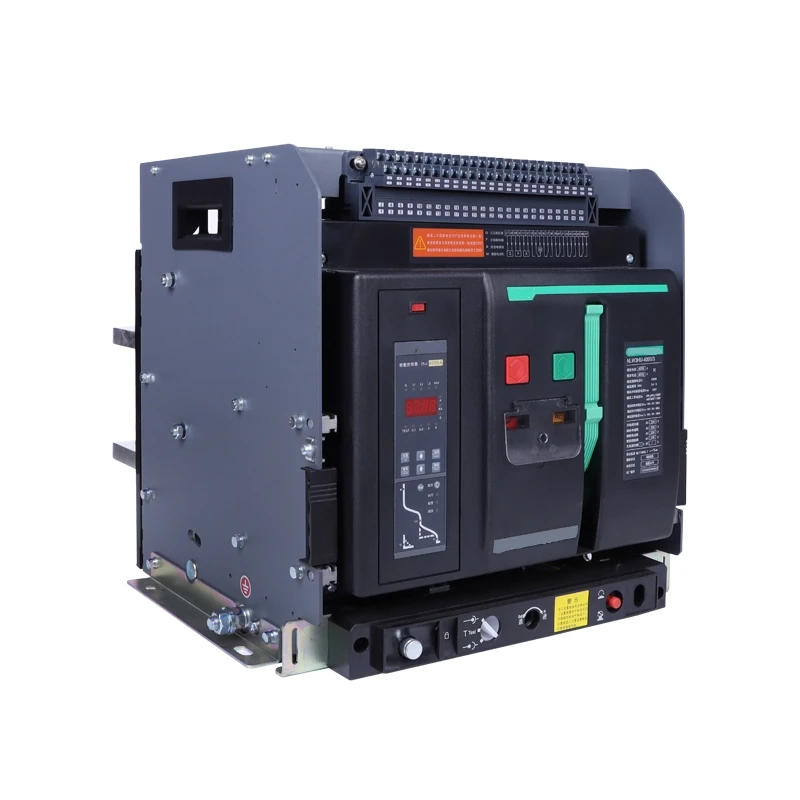
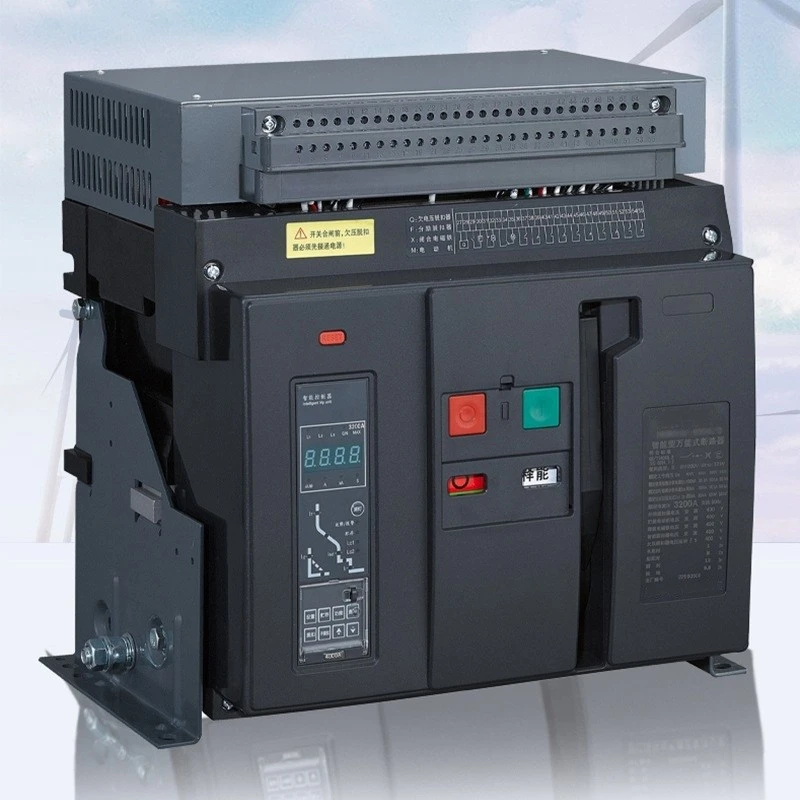
First off, what exactly are air circuit breakers? Well, they're essential components in electrical systems. They're designed to protect electrical circuits from overcurrent, short - circuit, and other electrical faults. When things go haywire in an electrical system, these breakers kick in and interrupt the current flow, preventing damage to equipment and ensuring safety.
Now, let's talk about air pressure. Air circuit breakers rely on air as an arc - quenching medium. That means when a fault occurs and an arc is formed, the air helps to extinguish that arc. And the air pressure plays a crucial role in this process.
The air pressure requirement for air circuit breakers isn't a one - size - fits - all deal. It can vary depending on several factors. One of the main factors is the type of air circuit breaker.
We've got different types, like the Intelligent Air Circuit Breaker. These are pretty high - tech. They come with advanced features like built - in sensors and communication capabilities. The air pressure requirements for intelligent air circuit breakers are often more precise. They need a stable air pressure to ensure that all the sensors and control systems work properly. Usually, the air pressure for these types of breakers should be maintained within a narrow range, say around 6 to 8 bar. This pressure range allows for efficient arc quenching and also ensures that the intelligent functions of the breaker operate smoothly.
Then there's the Fixed Type Air Circuit Breaker. These are more straightforward. They're installed in a fixed position in an electrical panel. The air pressure requirements for fixed - type breakers are generally a bit more forgiving compared to the intelligent ones. But still, they need a decent air pressure to do their job. A typical air pressure for fixed - type air circuit breakers might be in the range of 5 to 7 bar. This pressure is sufficient to quench the arc and protect the circuit when a fault occurs.
Another type is the Drawer Type Air Circuit Breakers. These are designed to be easily removable from the electrical panel. The air pressure requirements for drawer - type breakers are similar to the fixed - type ones. However, because they're designed to be moved in and out, there's a bit more emphasis on the air pressure being consistent. A pressure around 5.5 to 7.5 bar is usually ideal. This helps in ensuring that the breaker can be inserted and removed smoothly without any issues related to arc quenching.
Lastly, we have the Frame Circuit Breaker. These are large - scale breakers used in high - power applications. The air pressure requirements for frame circuit breakers are higher. Since they deal with larger currents and more powerful arcs, they need a stronger air pressure to quench the arc effectively. A pressure of around 7 to 9 bar is common for frame circuit breakers. This high pressure ensures that the arc is quickly and efficiently extinguished, protecting the high - power electrical system.
Now, why is it so important to maintain the right air pressure? Well, if the air pressure is too low, the arc won't be quenched properly. This can lead to all sorts of problems, like overheating of the breaker, damage to the electrical equipment, and even electrical fires. On the other hand, if the air pressure is too high, it can put unnecessary stress on the breaker components. This can cause premature wear and tear, leading to a shorter lifespan of the breaker.
To ensure that the air pressure is within the right range, regular maintenance is key. You need to check the air pressure regularly using a pressure gauge. If the pressure is too low, you might need to refill the air reservoir. If it's too high, you can release some air to bring it back to the appropriate level.
Also, the quality of the air matters. The air used in air circuit breakers should be clean and dry. Moisture in the air can cause corrosion inside the breaker, which can affect its performance. And dirt or debris in the air can clog the air passages, preventing proper air flow and arc quenching.
So, if you're in the market for air circuit breakers, it's crucial to understand the air pressure requirements. As a supplier, I can offer you a wide range of air circuit breakers, each with its own specific air pressure needs. Whether you need an intelligent air circuit breaker for a high - tech electrical system, a fixed - type breaker for a simple installation, a drawer - type breaker for easy maintenance, or a frame circuit breaker for high - power applications, I've got you covered.
If you're interested in learning more or making a purchase, don't hesitate to reach out. I'm here to answer all your questions and help you find the perfect air circuit breaker for your needs. Let's have a chat about your electrical requirements and figure out the best solution together.
References:
- Electrical Engineering Handbook: Covers general knowledge about air circuit breakers and their operating principles.
- Manufacturer's manuals: Provide detailed information on specific air circuit breaker models and their air pressure requirements.


