

What are the environmental requirements for a contactor?
Leave a message

As a reputable contactor supplier, I understand the critical role that environmental requirements play in the performance and longevity of contactors. Contactors are essential components in electrical systems, used to control the flow of electricity to various devices. Ensuring that contactors are used in appropriate environmental conditions is crucial for maintaining their efficiency and reliability. In this blog post, I will discuss the key environmental requirements for contactors and how our products meet these standards.
Temperature
One of the most important environmental factors that affect contactors is temperature. Contactors are designed to operate within a specific temperature range, and exceeding this range can lead to premature failure or reduced performance. For instance, high temperatures can cause the contacts to overheat, leading to increased resistance and potential arcing. On the other hand, low temperatures can make the contact materials brittle, increasing the risk of breakage.
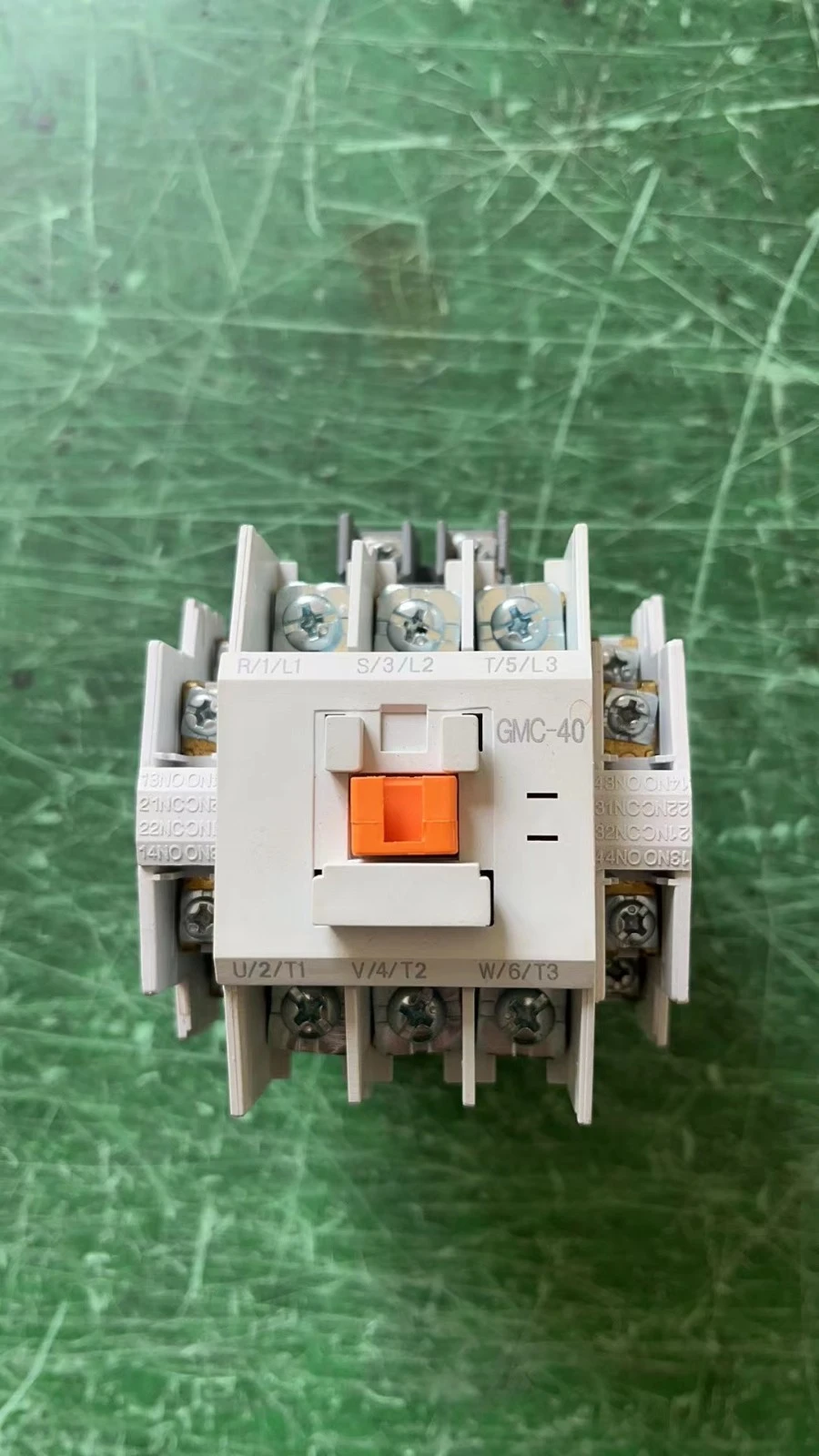
Most standard contactors are designed to operate in a temperature range of -25°C to 70°C. However, for applications in extreme environments, such as industrial ovens or cold storage facilities, special high-temperature or low-temperature contactors are required. Our company offers a wide range of contactors designed to withstand extreme temperatures. For example, our GMC AC Contactors are engineered to operate reliably in high-temperature environments, making them suitable for applications in industrial settings where heat is a concern.

Humidity
Humidity is another environmental factor that can impact the performance of contactors. High humidity levels can cause corrosion on the contacts, which can lead to increased resistance and poor electrical conductivity. This can result in overheating, reduced contact life, and potential system failures.
To mitigate the effects of humidity, contactors should be protected from moisture. Our contactors are designed with protective coatings and enclosures to prevent moisture ingress. Additionally, for applications in high-humidity environments, we recommend using contactors with sealed enclosures or those that are specifically designed for wet or damp conditions. The LC1DN AC Contactor is an excellent choice for such applications, as it is built to resist the effects of humidity and moisture.
Dust and Particles
Dust and other particulate matter can also have a significant impact on contactor performance. Dust can accumulate on the contacts, causing increased resistance and potential arcing. In industrial environments, where there is a high concentration of dust and debris, this can be a particular problem.
To prevent dust and particles from affecting the contactors, it is important to keep the operating environment clean. Our contactors are designed with dust-resistant enclosures to minimize the ingress of dust. For applications in extremely dusty environments, we offer contactors with additional filtration or sealing options. The LC1D AC Contactor is a robust and reliable option that can withstand the presence of dust and particles, making it suitable for use in industrial settings.
Chemical Exposure
Contactors can be exposed to various chemicals in industrial and commercial environments. Chemicals such as acids, alkalis, and solvents can corrode the contact materials and other components of the contactor, leading to reduced performance and premature failure.
When selecting a contactor for an environment with chemical exposure, it is important to choose a contactor that is resistant to the specific chemicals present. Our company offers contactors with chemical-resistant coatings and materials to protect against corrosion. We can also provide guidance on the best contactor for your specific chemical environment based on our extensive experience and product knowledge.
Vibration and Shock
In some applications, contactors may be subjected to vibration and shock. Vibration can cause the contacts to move, leading to intermittent electrical connections and potential arcing. Shock can also damage the contactor components, such as the coils and contacts.
To ensure the reliability of contactors in vibrating or shock-prone environments, our contactors are designed with robust construction and anti-vibration features. We use high-quality materials and advanced manufacturing techniques to minimize the effects of vibration and shock. Additionally, we can provide mounting solutions and accessories to further reduce the impact of vibration on the contactors.
Altitude
Altitude can also affect the performance of contactors. At higher altitudes, the air pressure is lower, which can affect the cooling of the contactor and the breakdown voltage of the insulation. This can lead to overheating and potential electrical breakdown.
Our contactors are designed to operate at different altitudes. For applications at high altitudes, we offer contactors with special insulation and cooling features to ensure reliable performance. We can provide detailed information on the altitude limitations of our contactors and recommend the appropriate product for your specific application.
Conclusion
In conclusion, the environmental requirements for contactors are diverse and complex. Temperature, humidity, dust, chemical exposure, vibration, shock, and altitude all play a role in the performance and reliability of contactors. As a contactor supplier, we are committed to providing high-quality products that meet these environmental requirements. Our GMC AC Contactors, LC1DN AC Contactor, and LC1D AC Contactor are designed to operate in a wide range of environmental conditions, ensuring optimal performance and longevity.
If you are in the market for contactors and need to ensure that they meet your specific environmental requirements, we invite you to contact us for a consultation. Our team of experts can help you select the right contactor for your application and provide you with all the information you need to make an informed decision. We look forward to working with you to meet your contactor needs.
References
- Electrical Engineering Handbook, Third Edition, edited by Richard C. Dorf
- Industrial Control Handbook, Second Edition, by Peter A. Dye


