

What is the purpose of a grounding electrode rod?
Leave a message

Hey there! As a supplier of Grounding Electrode Rods, I often get asked, "What is the purpose of a grounding electrode rod?" Well, let's dive right in and explore this important question.
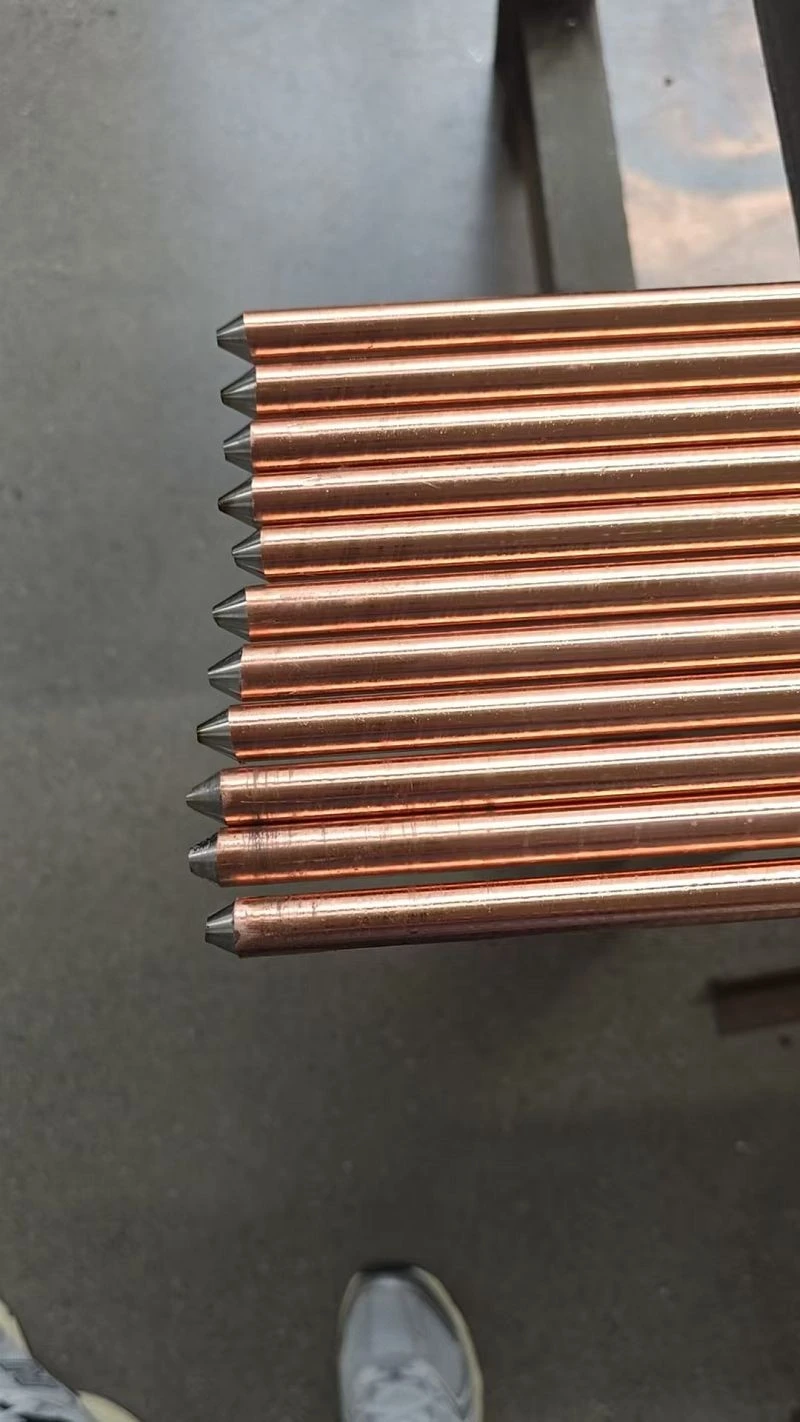
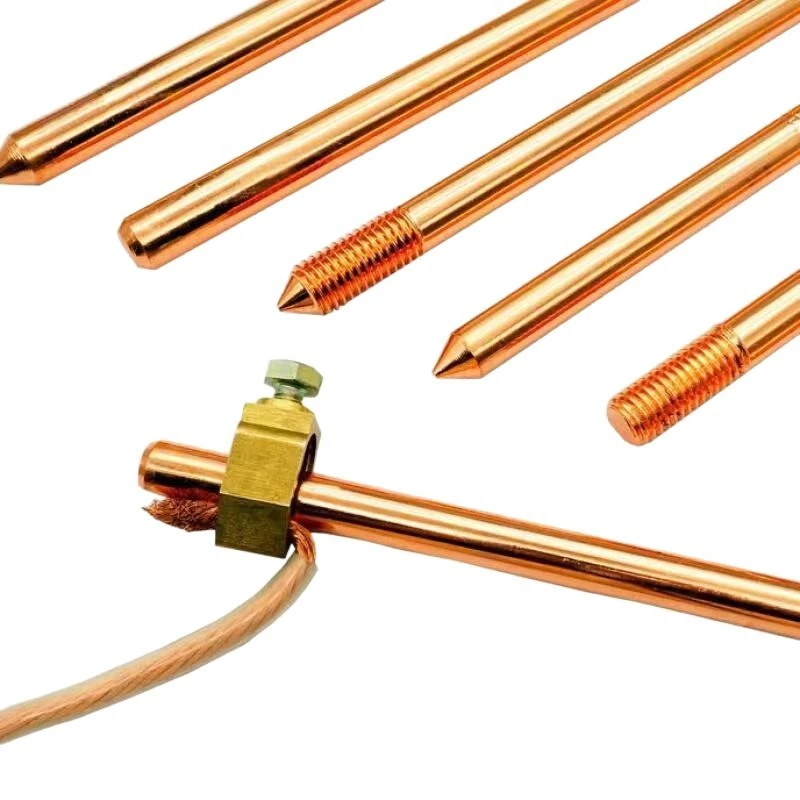
First off, let's understand what a grounding electrode rod is. A Grounding Electrode Rod is a long, conductive rod that's typically made of copper, galvanized steel, or other conductive materials. It's installed vertically into the ground, and it plays a crucial role in electrical systems.
One of the main purposes of a grounding electrode rod is to provide a safe path for electrical current to flow into the ground. In an electrical system, there's always a risk of a fault occurring. A fault can happen when there's a short - circuit, where the electrical current takes an unintended path. For example, if a live wire comes into contact with a metal casing of an electrical appliance due to insulation damage. Without a proper grounding system, the metal casing can become energized, posing a serious electrocution hazard to anyone who touches it.
When a grounding electrode rod is properly installed, it acts as a sort of safety valve. If a fault occurs, the excessive electrical current can flow through the grounding conductor to the grounding electrode rod and then into the ground. This helps to prevent the build - up of dangerous electrical potential on the equipment or structures, protecting both people and property.
Another important aspect is lightning protection. Lightning is a powerful natural electrical discharge. When lightning strikes a building or a structure, it can cause significant damage. That's where a Lightning Protection Grounding Rod comes in. A lightning protection grounding rod is designed to intercept the lightning strike and provide a low - resistance path for the lightning current to safely reach the ground.
The grounding electrode rod helps to dissipate the massive amount of energy carried by the lightning strike. By providing a direct path to the ground, it reduces the chances of the lightning current causing fires, electrical system failures, or structural damage to the building. It's like giving the lightning a clear and easy way to go where it won't cause harm.
In industrial settings, grounding electrode rods are also essential for the proper functioning of electrical equipment. Many industrial processes rely on complex electrical systems. Electrical interference can disrupt these processes and lead to equipment malfunctions. A good grounding system, with a properly installed grounding electrode rod, helps to stabilize the electrical potential and reduce electrical noise. This ensures that the equipment operates smoothly and efficiently, minimizing downtime and maintenance costs.
Now, let's talk about some technical aspects. For a grounding electrode rod to work effectively, it needs to have low resistance. The resistance of the grounding electrode rod depends on several factors, such as the type of soil, the depth of the rod, and the material of the rod.
Soil resistivity plays a big role. Different types of soil have different resistivities. For example, clay soil generally has lower resistivity compared to sandy soil. If the soil resistivity is high, the grounding electrode rod may not be as effective in dissipating electrical current. In such cases, additional measures may be needed, like using multiple grounding rods or adding conductive materials to the soil around the rod to reduce its resistivity.
The depth of the grounding electrode rod also matters. In general, the deeper the rod is installed, the lower its resistance. This is because deeper soil layers often have more moisture and lower resistivity. Most electrical codes recommend installing grounding electrode rods at a minimum depth of 8 feet, but in some cases, deeper installation may be required for optimal performance.
The material of the grounding electrode rod is another crucial factor. Copper is a popular choice because it has excellent conductivity and is resistant to corrosion. Galvanized steel is also commonly used, as it's more cost - effective and still provides good conductivity. However, over time, galvanized steel may corrode, especially in acidic or moist soils. That's why regular inspection and maintenance of the grounding electrode rod are important to ensure its long - term effectiveness.
In addition to safety and performance benefits, proper grounding with a grounding electrode rod is often required by electrical codes and regulations. These codes are in place to protect the public and ensure the safe operation of electrical systems. Whether it's a residential building, a commercial establishment, or an industrial facility, compliance with grounding requirements is mandatory. Failure to install a proper grounding system can result in safety hazards, legal issues, and insurance problems.
So, if you're in the market for grounding electrode rods, you need to make sure you're getting high - quality products. As a supplier, I can tell you that we take great care in manufacturing our grounding electrode rods. We use the best materials and follow strict quality control measures to ensure that our rods meet or exceed industry standards.
Our grounding electrode rods are designed to be easy to install. They come with clear instructions, and our team of experts is always available to provide technical support if you need it. Whether you're a DIY enthusiast looking to install a grounding system for your home or a professional electrician working on a large - scale project, we've got the right grounding electrode rod for you.
If you're interested in learning more about our grounding electrode rods or have any questions about grounding systems in general, don't hesitate to reach out. We're here to help you make the right choice for your electrical grounding needs. Whether it's for lightning protection, electrical safety, or industrial equipment performance, our grounding electrode rods are up to the task. Contact us today to start a discussion about your requirements and let's work together to ensure a safe and efficient electrical environment.
References
- Electrical Safety Codes and Standards
- Lightning Protection Handbook
- Industrial Electrical Systems Design and Maintenance Guides


