

What is the difference between a general - purpose circuit breaker and a motor protection circuit breaker?
Leave a message

As a seasoned circuit breakers supplier, I've witnessed firsthand the diverse needs of our clients across various industries. One common question that often comes up is the difference between a general-purpose circuit breaker and a motor protection circuit breaker. In this blog, I'll delve into the nuances of these two types of circuit breakers, highlighting their distinct features, applications, and benefits.
General-Purpose Circuit Breakers
General-purpose circuit breakers are designed to protect electrical circuits from overcurrent conditions, such as short circuits and overloads. They are the most commonly used type of circuit breaker and are suitable for a wide range of applications, including residential, commercial, and industrial settings.
Features
- Overcurrent Protection: General-purpose circuit breakers are equipped with thermal and magnetic trip elements that detect and respond to overcurrent conditions. The thermal element responds to sustained overloads, while the magnetic element responds to short circuits.
- Adjustable Trip Settings: Some general-purpose circuit breakers offer adjustable trip settings, allowing users to customize the breaker's response to different types of overcurrent conditions.
- High Interrupting Capacity: General-purpose circuit breakers have a high interrupting capacity, which means they can safely interrupt the flow of current in the event of a short circuit.
- Compact Design: General-purpose circuit breakers are available in a variety of sizes and configurations, making them suitable for use in tight spaces.
Applications
- Residential Wiring: General-purpose circuit breakers are commonly used in residential wiring to protect individual circuits, such as lighting, outlets, and appliances.
- Commercial Buildings: In commercial buildings, general-purpose circuit breakers are used to protect electrical systems, including lighting, HVAC systems, and office equipment.
- Industrial Facilities: General-purpose circuit breakers are also used in industrial facilities to protect electrical circuits, such as conveyor belts, motors, and welding equipment.
Benefits
- Versatility: General-purpose circuit breakers are suitable for a wide range of applications, making them a cost-effective solution for many electrical systems.
- Reliability: General-purpose circuit breakers are designed to provide reliable overcurrent protection, ensuring the safety of electrical systems and equipment.
- Ease of Installation: General-purpose circuit breakers are easy to install and maintain, making them a popular choice for electricians and DIY enthusiasts alike.
Motor Protection Circuit Breakers
Motor protection circuit breakers are specifically designed to protect electric motors from overcurrent conditions, such as overloads, short circuits, and phase imbalance. They are commonly used in industrial applications, where electric motors are used to drive machinery and equipment.
Features
- Motor-Specific Protection: Motor protection circuit breakers are equipped with features that are specifically designed to protect electric motors, such as overload protection, short-circuit protection, and phase-imbalance protection.
- Adjustable Trip Settings: Motor protection circuit breakers offer adjustable trip settings, allowing users to customize the breaker's response to different types of overcurrent conditions and motor characteristics.
- Thermal Memory: Motor protection circuit breakers have a thermal memory feature, which means they can remember the previous temperature of the motor and adjust their trip settings accordingly.
- High Breaking Capacity: Motor protection circuit breakers have a high breaking capacity, which means they can safely interrupt the flow of current in the event of a short circuit.
Applications
- Industrial Machinery: Motor protection circuit breakers are commonly used in industrial machinery, such as pumps, compressors, conveyors, and fans.
- Manufacturing Plants: In manufacturing plants, motor protection circuit breakers are used to protect electric motors that drive production equipment, such as CNC machines, presses, and robots.
- HVAC Systems: Motor protection circuit breakers are also used in HVAC systems to protect electric motors that drive fans, pumps, and compressors.
Benefits
- Motor Protection: Motor protection circuit breakers provide reliable protection for electric motors, ensuring the safe and efficient operation of industrial machinery and equipment.
- Energy Efficiency: By protecting electric motors from overcurrent conditions, motor protection circuit breakers can help to reduce energy consumption and extend the lifespan of the motor.
- Cost Savings: Motor protection circuit breakers can help to prevent costly downtime and repairs by protecting electric motors from damage caused by overcurrent conditions.
Key Differences Between General-Purpose Circuit Breakers and Motor Protection Circuit Breakers
While both general-purpose circuit breakers and motor protection circuit breakers are designed to protect electrical circuits from overcurrent conditions, there are several key differences between the two:
Trip Characteristics
General-purpose circuit breakers are designed to provide general overcurrent protection for electrical circuits, while motor protection circuit breakers are specifically designed to protect electric motors from overcurrent conditions. Motor protection circuit breakers have a more sensitive trip characteristic than general-purpose circuit breakers, which allows them to detect and respond to overcurrent conditions more quickly.
Adjustable Trip Settings
Motor protection circuit breakers offer adjustable trip settings, which allow users to customize the breaker's response to different types of overcurrent conditions and motor characteristics. General-purpose circuit breakers typically have fixed trip settings, which are suitable for a wide range of applications.
Thermal Memory
Motor protection circuit breakers have a thermal memory feature, which means they can remember the previous temperature of the motor and adjust their trip settings accordingly. General-purpose circuit breakers do not have this feature.
Application
General-purpose circuit breakers are suitable for a wide range of applications, including residential, commercial, and industrial settings. Motor protection circuit breakers are specifically designed for use in industrial applications, where electric motors are used to drive machinery and equipment.
Our Product Offerings
As a leading circuit breakers supplier, we offer a wide range of general-purpose circuit breakers and motor protection circuit breakers to meet the diverse needs of our clients. Our product offerings include:
- WiFi Smart Circuit Breaker: Our WiFi smart circuit breaker offers advanced features such as remote monitoring and control, real-time energy management, and overcurrent protection.
- Low Voltage Molded Case Circuit Breaker: Our low voltage molded case circuit breaker is designed to provide reliable overcurrent protection for low voltage electrical systems.
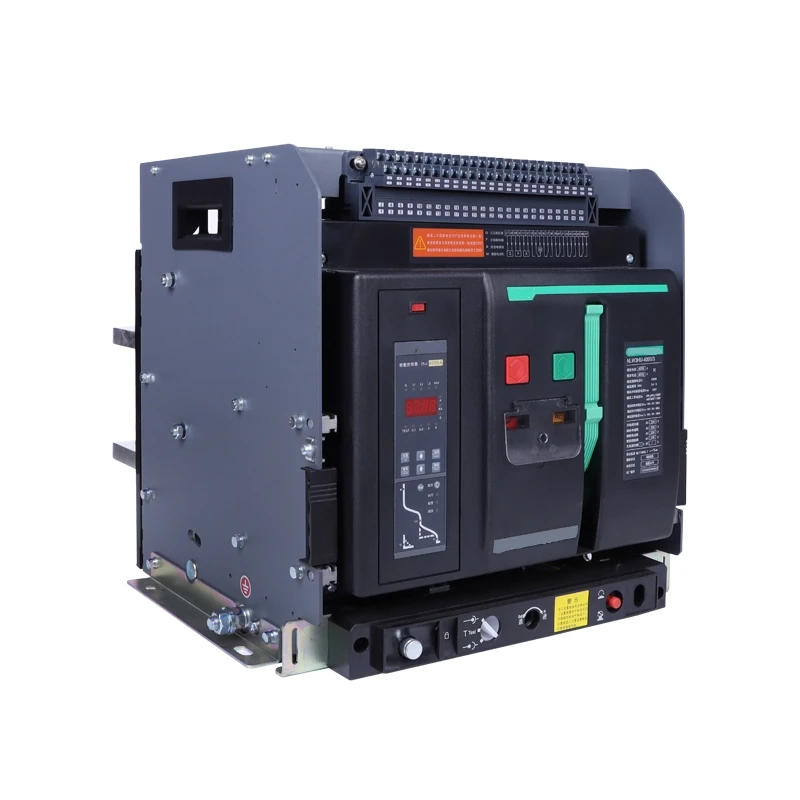
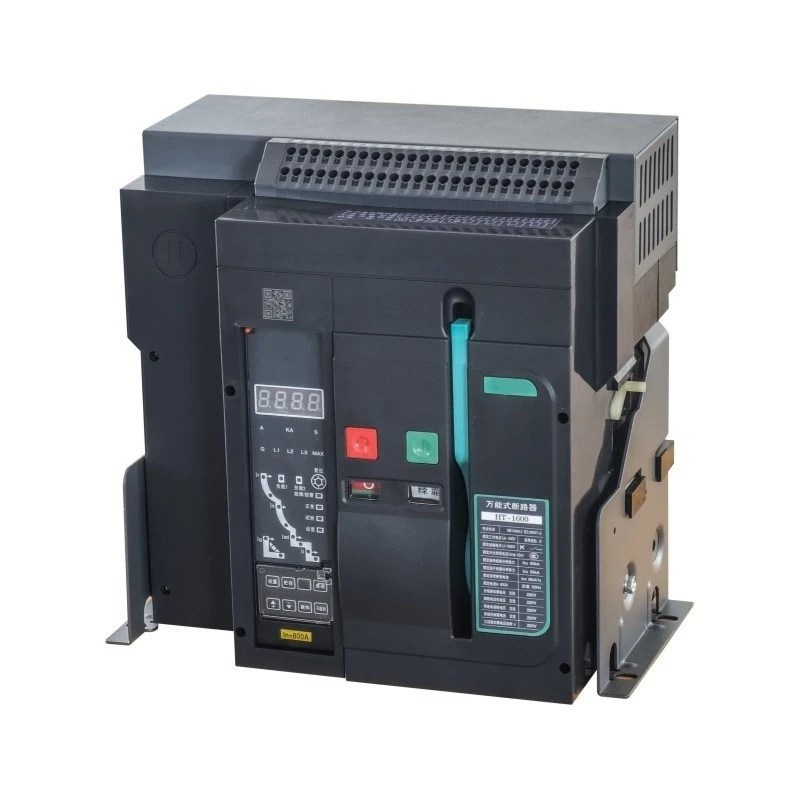
- Frame Circuit Breaker: Our frame circuit breaker is suitable for use in high current applications, such as industrial power distribution systems.
- Fixed Type Air Circuit Breaker: Our fixed type air circuit breaker is designed to provide reliable overcurrent protection for high voltage electrical systems.
- Molded Case Breakers: Our molded case breakers are available in a variety of sizes and configurations, making them suitable for a wide range of applications.
Conclusion
In conclusion, the main difference between a general-purpose circuit breaker and a motor protection circuit breaker lies in their design and application. General-purpose circuit breakers are suitable for a wide range of applications, while motor protection circuit breakers are specifically designed to protect electric motors from overcurrent conditions. By understanding the differences between these two types of circuit breakers, you can choose the right breaker for your specific application.
If you have any questions about our circuit breaker products or need assistance in selecting the right breaker for your application, please don't hesitate to contact us. Our team of experts is always available to help you find the best solution for your needs.
References
- Electrical Protection for Industrial Equipment Handbook
- National Electrical Code (NEC)
- IEC 60947 Standards for Low-Voltage Switchgear and Controlgear


