

How does humidity affect circuit breakers?
Leave a message

Humidity is an environmental factor that can significantly influence the performance and lifespan of circuit breakers. As a circuit breaker supplier, understanding how humidity affects these crucial electrical components is essential for providing reliable products and guidance to our customers. In this blog, we will delve into the various ways humidity can impact circuit breakers and discuss strategies to mitigate these effects.
The Basics of Circuit Breakers
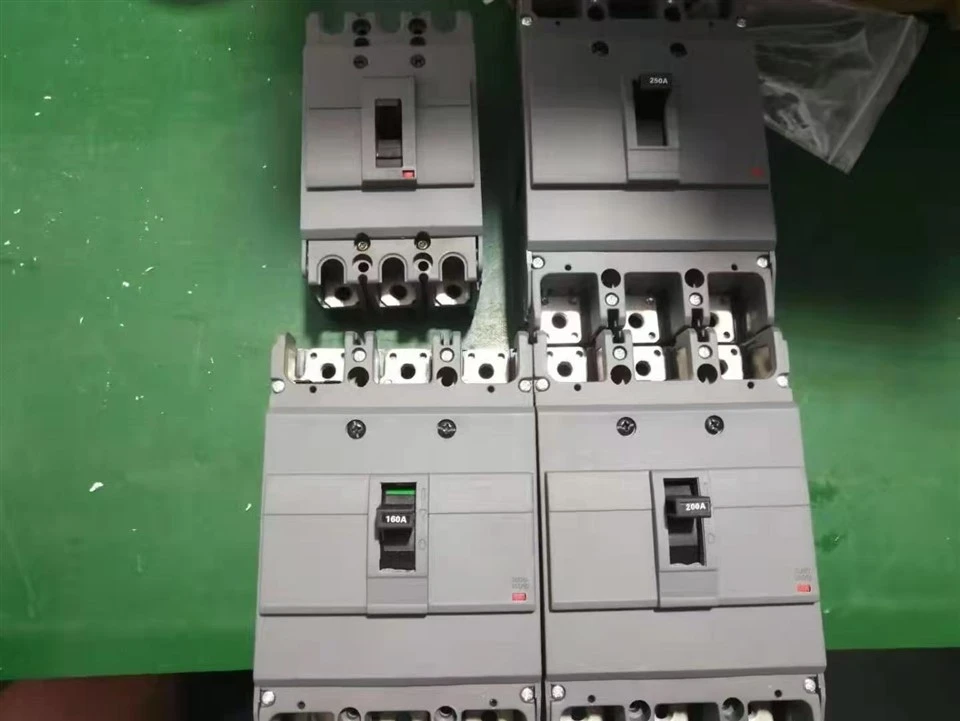
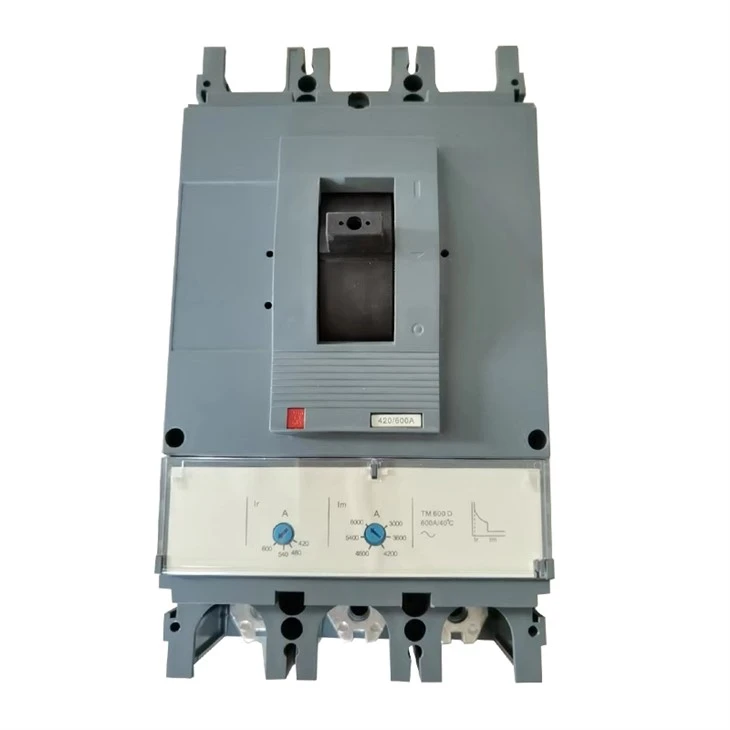
Circuit breakers are safety devices designed to protect electrical circuits from overcurrent, short - circuits, and other electrical faults. They automatically interrupt the flow of electricity when a fault is detected, preventing damage to equipment and reducing the risk of electrical fires. There are different types of circuit breakers, such as Low Voltage Molded Case Circuit Breaker, Advanced Molded Case Circuit Breaker, Fixed Type Air Circuit Breaker, Intelligent Air Circuit Breaker, and 4 Pole Molded Case Circuit Breakers. Each type has its own design and application, but all are susceptible to the effects of humidity to some degree.
How Humidity Affects Circuit Breakers
Corrosion
One of the most significant impacts of humidity on circuit breakers is corrosion. When the relative humidity in the environment is high, water vapor can condense on the surfaces of the circuit breaker components. This condensed water can react with the metal parts of the circuit breaker, such as contacts, terminals, and enclosures. For example, iron and steel components can rust, while copper components can develop a greenish - blue patina. Corrosion can increase the resistance of the electrical connections, leading to overheating. Over time, the corroded parts may become brittle and break, causing the circuit breaker to malfunction.
Insulation Degradation
Humidity can also degrade the insulation materials used in circuit breakers. Insulation is crucial for preventing electrical leakage and ensuring the safe operation of the circuit breaker. When exposed to high humidity, the insulation materials can absorb moisture. This absorbed moisture can reduce the dielectric strength of the insulation, making it more likely for electrical breakdown to occur. Electrical breakdown can lead to short - circuits and other electrical faults, which can damage the circuit breaker and the connected electrical system.
Contamination
High humidity can promote the growth of mold and mildew on the surfaces of circuit breakers. These microorganisms can not only cause aesthetic problems but also affect the electrical performance of the circuit breaker. Mold and mildew can act as a conductor, increasing the risk of electrical leakage. Additionally, they can release spores and other contaminants into the air, which can be harmful to human health in some cases.
Mechanical Issues
The presence of moisture due to high humidity can also cause mechanical problems in circuit breakers. For example, moisture can seep into the moving parts of the circuit breaker, such as the trip mechanism and the contacts. This can cause the parts to stick or move sluggishly, affecting the proper operation of the circuit breaker. In extreme cases, the moisture can freeze in cold environments, causing physical damage to the components.
Measuring and Monitoring Humidity
To understand the impact of humidity on circuit breakers, it is important to measure and monitor the humidity levels in the environment where the circuit breakers are installed. There are various types of humidity sensors available, such as hygrometers. These sensors can provide real - time data on the relative humidity, allowing operators to take appropriate actions if the humidity levels are outside the recommended range.
Mitigating the Effects of Humidity
Enclosure Design
Proper enclosure design is crucial for protecting circuit breakers from humidity. The enclosure should be sealed to prevent the ingress of moisture. It can also be equipped with gaskets and seals to ensure a tight fit. Additionally, some enclosures are designed with ventilation systems that can help to remove moisture from the inside of the enclosure.
Dehumidification
Using dehumidifiers in the area where the circuit breakers are installed can help to reduce the humidity levels. Dehumidifiers work by removing moisture from the air, creating a drier environment for the circuit breakers. This can significantly reduce the risk of corrosion, insulation degradation, and other humidity - related problems.
Coating and Treatment
Applying protective coatings to the metal components of the circuit breaker can help to prevent corrosion. These coatings act as a barrier between the metal and the moisture in the air. Additionally, some insulation materials can be treated to make them more resistant to moisture absorption.
Regular Maintenance
Regular maintenance is essential for ensuring the proper operation of circuit breakers in humid environments. This includes inspecting the circuit breakers for signs of corrosion, mold, and other damage. Any damaged components should be replaced promptly. Cleaning the circuit breakers can also help to remove any contaminants that may have accumulated due to high humidity.
Conclusion
Humidity can have a significant impact on the performance and lifespan of circuit breakers. As a circuit breaker supplier, we are committed to providing high - quality products that can withstand the challenges posed by humidity. By understanding the effects of humidity and implementing appropriate mitigation strategies, we can ensure that our customers' electrical systems operate safely and reliably.
If you are interested in purchasing circuit breakers or need more information on how to protect them from humidity, please feel free to contact us for a detailed discussion. We look forward to working with you to meet your electrical protection needs.
References
- "Electrical Equipment in Harsh Environments", Electrical Engineering Handbook
- "Humidity and Its Effects on Electrical Components", Journal of Electrical Safety


