

How to ensure the reliable operation of air circuit breakers?
Leave a message

Air circuit breakers (ACBs) are crucial components in electrical systems, providing protection against overloads, short circuits, and other electrical faults. Ensuring their reliable operation is of utmost importance to maintain the safety and efficiency of any electrical installation. As a trusted air circuit breakers supplier, we understand the significance of reliable ACB performance and are here to share some key strategies to achieve this.
1. Proper Selection of Air Circuit Breakers
The first step in ensuring reliable operation is the correct selection of air circuit breakers. Different applications have different requirements in terms of current ratings, voltage levels, breaking capacities, and protection functions. For instance, industrial settings with high - power equipment may require ACBs with higher current ratings and breaking capacities compared to residential or commercial buildings.
We offer a wide range of air circuit breakers to meet diverse needs. Our Frame Circuit Breaker is designed for heavy - duty applications, providing high short - circuit breaking capacity and reliable protection. The Drawer Type Air Circuit Breakers offer flexibility in installation and maintenance, allowing for easy replacement or disconnection without the need for complex wiring changes. The Fixed Type Air Circuit Breaker is a cost - effective solution for applications where a stable and permanent installation is required. And our Intelligent Air Circuit Breaker comes with advanced protection functions and communication capabilities, enabling real - time monitoring and control of the electrical system.
When selecting an air circuit breaker, it is essential to consider factors such as the nature of the load (resistive, inductive, or capacitive), the expected short - circuit current, and the environmental conditions. For example, in a humid or dusty environment, a breaker with appropriate protection enclosures should be chosen to prevent damage to internal components.
2. Correct Installation
Proper installation is a critical factor in the reliable operation of air circuit breakers. Incorrect installation can lead to issues such as overheating, loose connections, and improper tripping. During installation, the following points should be carefully observed:
- Mounting: The ACB should be mounted on a flat and stable surface according to the manufacturer's instructions. Ensure that the mounting hardware is of the correct size and tightened to the appropriate torque.
- Wiring: Use the correct size and type of cables for the breaker. The cables should be properly terminated and connected to the breaker terminals. Loose or incorrect connections can cause arcing, which may damage the breaker and pose a safety hazard.
- Clearance: Maintain the required clearance around the breaker for ventilation and easy access for maintenance. Adequate clearance helps prevent overheating and allows for proper inspection and servicing.
Our technical support team can provide detailed installation guidelines and on - site assistance if needed to ensure that the air circuit breakers are installed correctly.
3. Regular Maintenance
Regular maintenance is essential to keep air circuit breakers in good working condition. Over time, dust, dirt, and moisture can accumulate inside the breaker, affecting its performance. Moving parts may wear out, and electrical contacts may become corroded.
- Visual Inspection: Conduct regular visual inspections of the breaker to check for signs of damage, such as cracks, burns, or loose connections. Look for any abnormal discoloration or deformation of the components.
- Cleaning: Clean the breaker regularly to remove dust and dirt. Use a soft brush or compressed air to clean the internal components. Avoid using abrasive materials that may damage the surfaces.
- Lubrication: If the breaker has moving parts, apply the appropriate lubricant as specified by the manufacturer. Proper lubrication reduces friction and wear, ensuring smooth operation.
- Testing: Perform periodic testing of the breaker's protection functions, including over - current and short - circuit protection. This helps verify that the breaker will operate correctly in case of a fault.
We recommend following a maintenance schedule based on the manufacturer's recommendations and the operating conditions of the electrical system.
4. Monitoring and Diagnosis
With the development of technology, it is now possible to monitor the performance of air circuit breakers in real - time. Our intelligent air circuit breakers offer features such as current monitoring, temperature monitoring, and fault diagnosis.
- Current Monitoring: By continuously monitoring the current flowing through the breaker, it is possible to detect abnormal current levels, which may indicate an overload or a short - circuit condition. Early detection of such issues allows for timely intervention to prevent damage to the breaker and the electrical system.
- Temperature Monitoring: Excessive temperature can be a sign of overheating due to high current, loose connections, or other problems. Monitoring the temperature of the breaker helps identify potential issues before they cause significant damage.
- Fault Diagnosis: Intelligent breakers can analyze fault information and provide diagnostic messages, allowing maintenance personnel to quickly identify the cause of the fault and take appropriate measures.
5. Training for Operators and Maintenance Personnel
Proper training for operators and maintenance personnel is crucial for the reliable operation of air circuit breakers. Operators should be trained on how to operate the breaker safely and correctly, including turning it on and off, resetting after a trip, and performing basic checks.
Maintenance personnel should receive in - depth training on the maintenance, testing, and troubleshooting of air circuit breakers. They should be familiar with the breaker's internal structure, operation principles, and maintenance procedures. We offer training programs to our customers to ensure that their personnel have the necessary skills and knowledge to handle our air circuit breakers effectively.
6. Spare Parts Management
Having an adequate supply of spare parts is important to minimize downtime in case of a breaker failure. Key spare parts such as contacts, trip units, and operating mechanisms should be stocked in appropriate quantities.
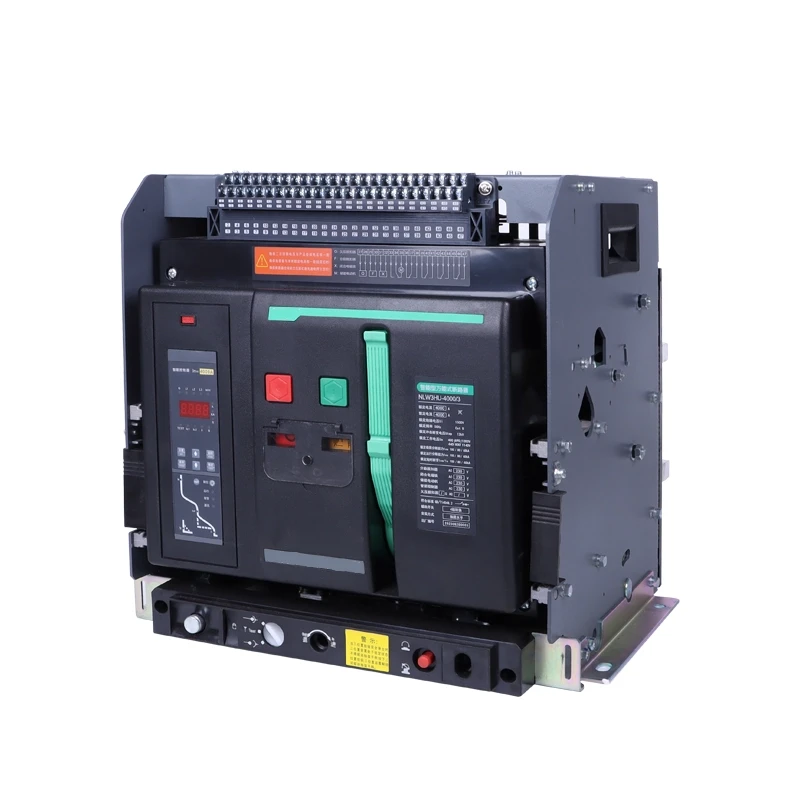
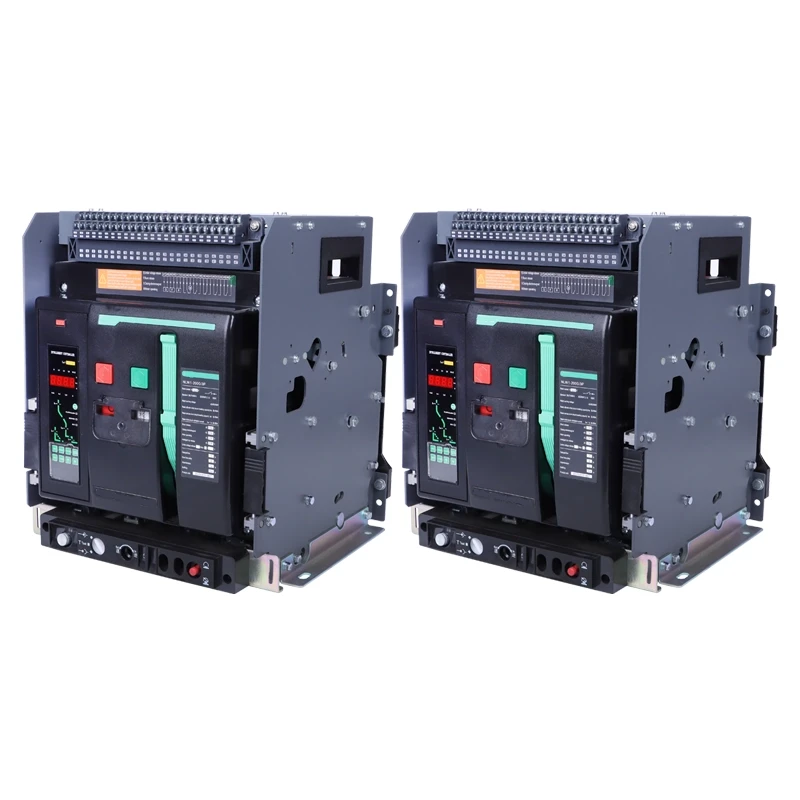
We provide a comprehensive range of spare parts for our air circuit breakers, ensuring that our customers can quickly replace faulty components and get their electrical systems back up and running. Our spare parts are of high quality and are designed to be compatible with our breakers, guaranteeing reliable performance.
In conclusion, ensuring the reliable operation of air circuit breakers requires a combination of proper selection, correct installation, regular maintenance, monitoring, training, and spare parts management. As a leading air circuit breakers supplier, we are committed to providing high - quality products and comprehensive solutions to meet your needs. If you are interested in our air circuit breakers or have any questions about ensuring their reliable operation, please feel free to contact us for more information and to discuss your procurement needs.
References
- Electrical Installation Handbook, Schneider Electric
- Circuit Breaker Manuals, Various Manufacturers


