

How to measure the size of Sc Copper Cable Lugs accurately?
Leave a message

Hey there! As a supplier of Sc Copper Cable Lugs, I know how important it is to measure these little guys accurately. Whether you're an electrician, an engineer, or just someone working on a DIY project at home, getting the right measurements can make a huge difference in the performance and safety of your electrical connections. So, let's dive into how you can measure the size of Sc Copper Cable Lugs accurately.
Understanding the Basics of Sc Copper Cable Lugs
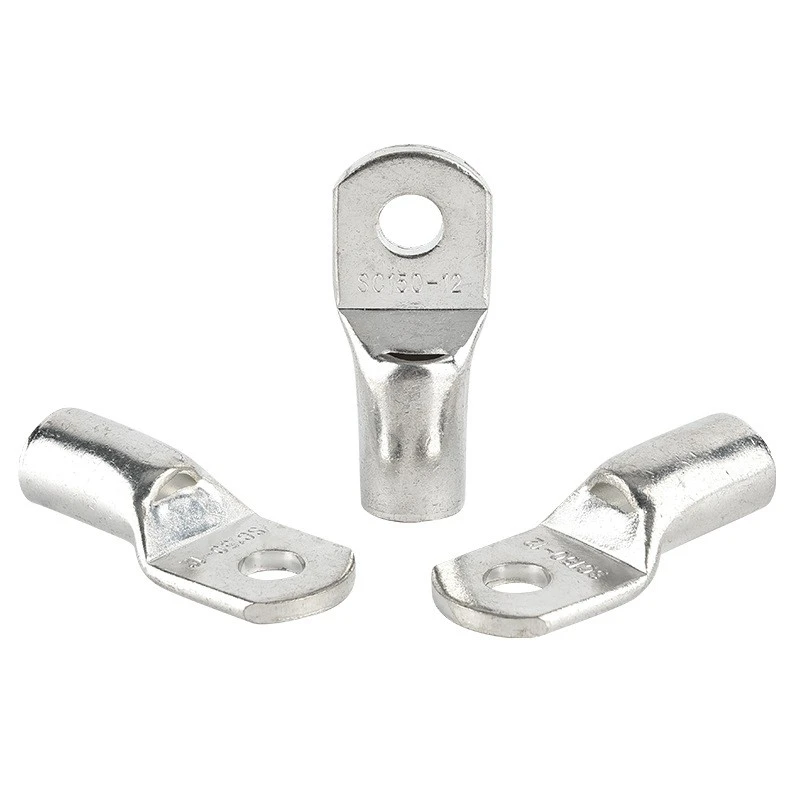
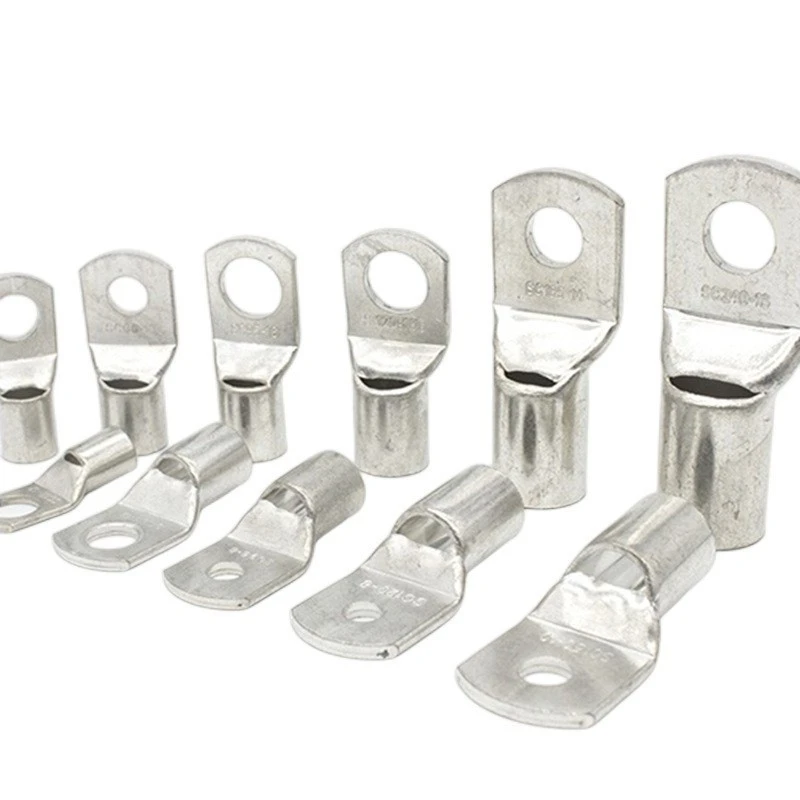
First things first, let's talk a bit about what Sc Copper Cable Lugs are. These lugs are made of high - quality copper and are used to connect electrical cables to various electrical devices, such as switches, circuit breakers, and transformers. The "Sc" in Sc Copper Cable Lugs usually stands for a specific type or series of these lugs, which might have unique features like better corrosion resistance or higher conductivity. You can check out more about SC Copper Terminal Lugs and Sc Copper Cable Lugs on our website.
Why Accurate Measurement Matters
Accurate measurement of Sc Copper Cable Lugs is crucial for several reasons. Firstly, if the lug is too small for the cable, it won't fit properly. This can lead to a loose connection, which in turn can cause overheating, power loss, and even fire hazards. On the other hand, if the lug is too large, it may not provide a secure grip on the cable, also resulting in poor electrical conductivity and potential safety risks.
Tools You'll Need
To measure Sc Copper Cable Lugs accurately, you'll need a few basic tools:
- Vernier Caliper: This is a must - have tool. A vernier caliper allows you to measure the internal and external dimensions of the lug with high precision. It can measure lengths, diameters, and depths up to a few thousandths of an inch or a fraction of a millimeter.
- Micrometer: For even more precise measurements, especially when dealing with very small or thin parts of the lug, a micrometer is your best bet. It can measure dimensions with an accuracy of up to 0.001 inches or 0.0025 millimeters.
- Wire Gauge: This tool is used to determine the size of the cable that will be inserted into the lug. Different lugs are designed to fit specific cable sizes, so knowing the wire gauge is essential.
Measuring the Key Dimensions
Outer Diameter
The outer diameter of the Sc Copper Cable Lug is an important dimension, especially if you're installing the lug in a space - constrained area. To measure the outer diameter, open the jaws of the vernier caliper and place them around the widest part of the lug. Make sure the caliper is perpendicular to the axis of the lug. Then, read the measurement on the caliper's scale. If you're using a digital caliper, the measurement will be displayed on the screen.
Inner Diameter
The inner diameter of the lug is crucial as it determines the size of the cable that can fit inside. To measure the inner diameter, use the smaller jaws of the vernier caliper. Insert the jaws into the hole of the lug and expand them until they touch the inner walls. Take the measurement as accurately as possible. If the inner diameter is very small, you might need to use a micrometer for a more precise reading.
Length
The length of the Sc Copper Cable Lug is also important, especially when considering how it will be installed and connected. To measure the length, place the lug on a flat surface and use the vernier caliper to measure from one end to the other. Make sure the caliper is placed straight along the length of the lug.
Thickness
The thickness of the lug's walls can affect its strength and conductivity. Use a micrometer to measure the thickness at different points on the lug. This will give you an idea of the overall quality and durability of the lug.
Measuring the Cable Size
As I mentioned earlier, it's important to know the size of the cable that will be used with the lug. To measure the cable size, use a wire gauge. There are different types of wire gauges available, but the most common ones are the American Wire Gauge (AWG) and the metric wire gauge.
To use a wire gauge, simply insert the cable into the holes of the gauge until you find the hole that fits the cable snugly. The number next to the hole indicates the wire gauge. Make sure to choose a Sc Copper Cable Lug that is designed to fit the specific wire gauge of your cable.
Checking for Tolerances
Even when you measure the Sc Copper Cable Lugs accurately, there may be some tolerances in the manufacturing process. Tolerances are the allowable variations in the dimensions of the lug. It's important to check the manufacturer's specifications for the tolerances of the lugs you're using.
If the measured dimensions of the lug are within the specified tolerances, then the lug is considered to be within the acceptable range. However, if the dimensions are outside the tolerances, it's best to contact the supplier or manufacturer to discuss the issue.
Tips for Accurate Measurement
- Clean the Lug: Before taking any measurements, make sure the lug is clean. Dirt, debris, or oxidation on the lug can affect the accuracy of the measurements.
- Take Multiple Measurements: To ensure the accuracy of your measurements, take multiple readings at different points on the lug. Then, calculate the average of these measurements.
- Use the Right Tool for the Job: As mentioned earlier, use a vernier caliper for general measurements and a micrometer for more precise ones. Using the wrong tool can lead to inaccurate measurements.
Conclusion
Accurately measuring the size of Sc Copper Cable Lugs is essential for ensuring the proper functioning and safety of your electrical connections. By using the right tools, following the proper measurement techniques, and checking for tolerances, you can make sure that you choose the right lugs for your cables.
If you have any questions about measuring Sc Copper Cable Lugs or if you're interested in purchasing our high - quality Sc Copper Cable Lugs, feel free to contact us. We're always here to help you with your electrical connection needs.
References
- Electrical Installation Handbook, by Schneider Electric
- Understanding Electrical Cables and Connectors, by McGraw - Hill Education


