

What are the materials used in distribution panelboards?
Leave a message

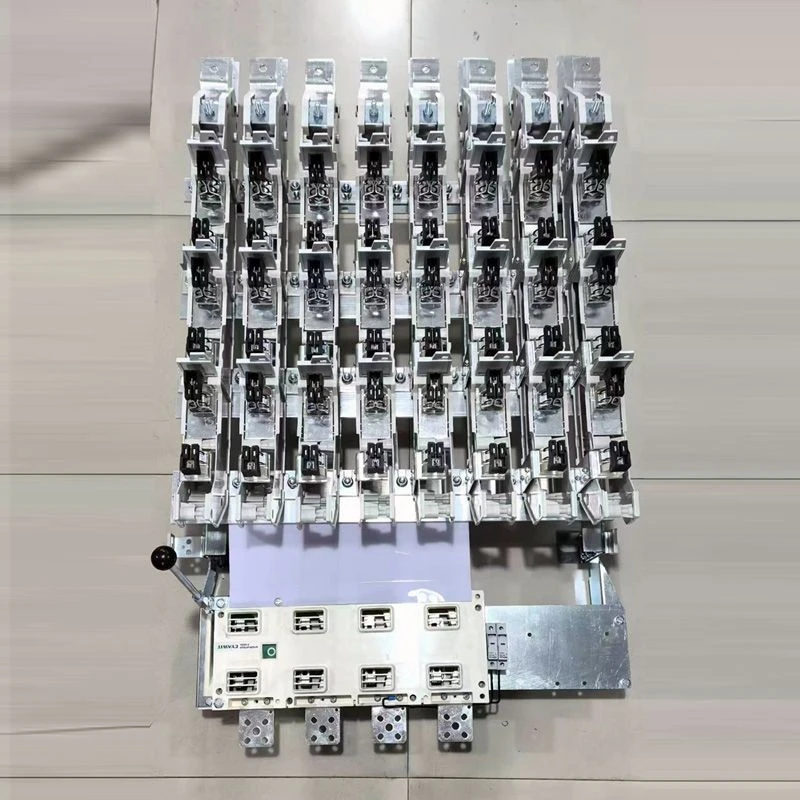
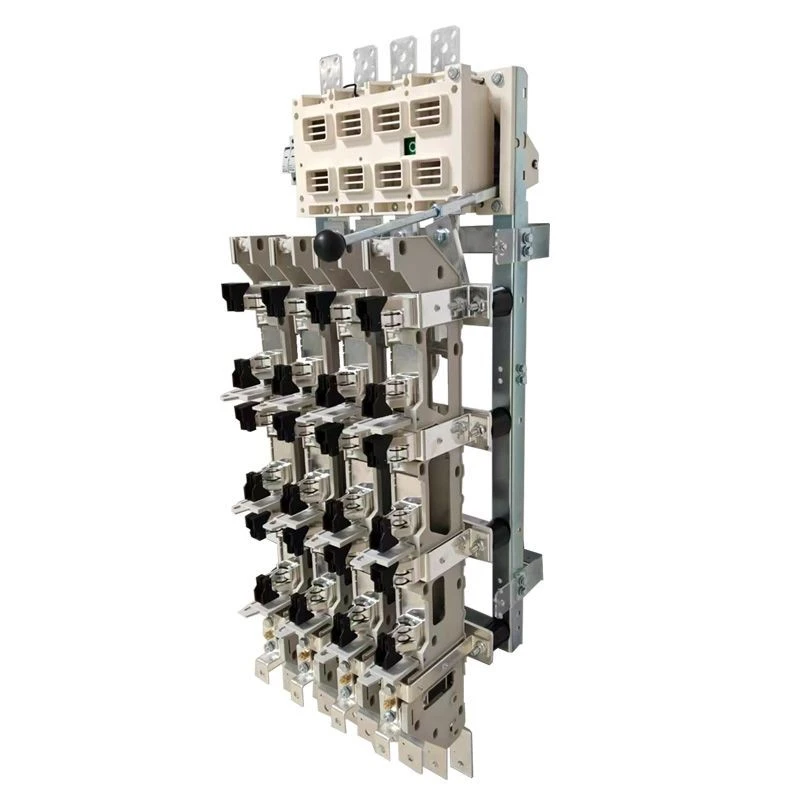
Hey there! As a supplier of distribution panelboards, I often get asked about the materials used in these essential electrical components. Distribution panelboards play a crucial role in dividing an electrical power feed into various circuits, with each having its own fuse or circuit breaker. So, let's dig into the materials that make up these panelboards.
Enclosure Materials
The enclosure is the outer casing of the distribution panelboard, and it serves several important functions. It protects the internal components from physical damage, dust, and moisture, and also provides electrical insulation.
Steel
Steel is one of the most commonly used materials for enclosure construction. It's strong, durable, and can withstand a fair amount of abuse. Galvanized steel is particularly popular because it has a protective zinc coating that prevents rust and corrosion. This is especially important in environments where the panelboard might be exposed to moisture or harsh chemicals. The thickness of the steel can vary depending on the size and application of the panelboard, but typically, for industrial use, it's around 1.6 to 2 mm.
Aluminum
Aluminum is another option for enclosures. It's lightweight, which makes it easier to handle during installation. It also has good corrosion resistance, especially when anodized. Anodizing is a process that creates a protective layer on the aluminum surface, making it more resistant to scratches and corrosion. Aluminum enclosures are commonly used in applications where weight is a concern, such as in some commercial buildings or mobile applications.
Plastic
Plastic enclosures are often used in residential or light - commercial applications. They are relatively inexpensive, easy to install, and offer good electrical insulation. Some plastics are also fire - resistant, which is a big plus for safety. However, they may not be as durable as steel or aluminum, especially in harsh environments. Plastic enclosures are typically made from polycarbonate or fiberglass - reinforced plastic (FRP). Polycarbonate is known for its high impact resistance and clarity, while FRP is strong and resistant to chemicals.
Conductive Materials
The conductive materials inside the distribution panelboard are responsible for carrying the electrical current.
Copper
Copper is the go - to material for electrical conductors. It has excellent electrical conductivity, which means it can carry large amounts of electrical current with minimal loss due to resistance. Copper is also ductile, making it easy to shape into various forms, such as busbars and wires. Busbars are thick bars of copper that distribute the electrical power within the panelboard. They are usually flat and wide to maximize the surface area for better heat dissipation. Copper conductors are known for their reliability and long - term performance.
Aluminum
Aluminum is also used as a conductive material, especially in larger panelboards where the cost of copper may be prohibitive. Aluminum has about 60% of the electrical conductivity of copper, but it's much lighter and less expensive. However, aluminum conductors require special connections because they can oxidize over time, which can increase the resistance at the connection points. To prevent this, special terminations and anti - oxidation compounds are used.
Insulating Materials
Insulating materials are used to prevent electrical current from flowing where it's not supposed to, thus ensuring the safety of the panelboard and the people working around it.
Mica
Mica is a naturally occurring mineral that has excellent electrical insulation properties. It can withstand high temperatures without losing its insulating qualities, making it suitable for use in high - power distribution panelboards. Mica is often used in the form of sheets to insulate busbars and other high - voltage components.
Fiberglass
Fiberglass is a popular insulating material because it's lightweight, easy to work with, and has good thermal and electrical insulation properties. It can be made into different shapes and forms, such as mats or tubes, to insulate wires and cables. Fiberglass is also resistant to moisture and chemicals, which makes it suitable for a wide range of environments.
Epoxy Resins
Epoxy resins are synthetic materials that are used as insulating coatings or potting compounds. They can be poured into the panelboard to encapsulate components, providing a high - level of electrical insulation and protection against environmental factors such as moisture and dust. Epoxy resins can be formulated to have different properties, such as high temperature resistance or flexibility.
Other Components and Their Materials
Circuit Breakers
Circuit breakers are essential safety devices in a distribution panelboard. They are designed to automatically interrupt the electrical circuit when an overload or short - circuit occurs. The contacts inside circuit breakers are usually made of copper or silver - alloyed copper because these materials have good conductivity and can withstand the high - current arcs that occur when the circuit breaker trips. The housing of the circuit breaker is typically made of a flame - retardant plastic to prevent the spread of fire in case of a malfunction.
Fuses
Fuses are another type of over - current protection device. The fuse element is usually made of a metal wire or strip, such as copper, silver, or an alloy. When the current exceeds the rated value of the fuse, the fuse element melts, interrupting the circuit. The body of the fuse is often made of ceramic or glass, which can withstand the heat generated during the melting process.
Choosing the Right Materials for Your Needs
When it comes to choosing the right distribution panelboard for your project, the materials used are a critical factor. For industrial applications where durability and high - power handling are required, steel enclosures, copper conductors, and high - temperature insulating materials like mica are often the best choice. On the other hand, for residential or light - commercial use, plastic enclosures, aluminum conductors (in some cases), and fiberglass insulation may be sufficient.
If you're interested in our LV Distribution Panelboard or LV Power Distribution Panelboards, we can offer a wide range of options using the highest - quality materials. Our team can help you select the right panelboard based on your specific requirements, whether it's for a small residential project or a large industrial installation.
If you want to learn more about our distribution panelboards or start a procurement discussion, feel free to reach out to us. We're here to provide you with the best solutions and make sure you get the panelboard that meets your electrical needs.
References
- Electrical Installation Handbook, Schneider Electric
- National Electrical Code (NEC), National Fire Protection Association


