

What is the impact of humidity on air circuit breakers?
Leave a message

Humidity, an omnipresent environmental factor, quietly exerts its influence on numerous electrical devices, and air circuit breakers are no exception. As a trusted air circuit breaker supplier, I've witnessed firsthand how humidity can significantly impact the performance, reliability, and lifespan of these crucial electrical components. In this blog, I'll delve into the various ways humidity affects air circuit breakers and offer insights on how to mitigate these effects.
Impact on Insulation Resistance
One of the primary concerns when it comes to humidity and air circuit breakers is its effect on insulation resistance. Insulation materials are designed to prevent the flow of electric current between conductive parts, ensuring the safe and efficient operation of the circuit breaker. However, high humidity levels can cause moisture to accumulate on the surface of the insulation, reducing its resistance and increasing the risk of electrical leakage.
When moisture penetrates the insulation, it can create conductive paths that allow current to flow where it shouldn't. This can lead to a variety of issues, including short circuits, electrical arcing, and even equipment failure. In extreme cases, electrical leakage can pose a serious safety hazard, potentially causing fires or electric shocks.
To illustrate the impact of humidity on insulation resistance, let's consider a real-world scenario. Imagine an industrial facility located in a coastal area with high humidity levels. The air circuit breakers in this facility are exposed to a constant stream of moisture, which gradually degrades the insulation over time. As the insulation resistance decreases, the circuit breakers become more prone to electrical leakage, leading to frequent tripping and downtime. This not only disrupts the production process but also increases maintenance costs and the risk of equipment damage.
Corrosion and Oxidation
Another significant impact of humidity on air circuit breakers is corrosion and oxidation. Moisture in the air contains dissolved oxygen, which can react with metal components in the circuit breaker, causing them to rust and corrode. This is particularly problematic for exposed metal parts, such as contacts, terminals, and enclosures.
Corrosion can have several detrimental effects on air circuit breakers. First, it can increase the resistance of electrical connections, leading to overheating and potential damage to the contacts. Over time, this can cause the contacts to weld together, preventing the circuit breaker from opening properly in the event of a fault. Second, corrosion can weaken the structural integrity of the circuit breaker, making it more susceptible to mechanical failure. Finally, corrosion can also contaminate the internal components of the circuit breaker, reducing its overall performance and reliability.
For example, in a power distribution system located in a humid and polluted environment, the air circuit breakers may experience severe corrosion due to the combination of moisture and airborne contaminants. The corrosion can cause the contacts to become pitted and rough, increasing the contact resistance and generating excessive heat. This can lead to premature failure of the contacts and the need for frequent replacement, resulting in significant downtime and maintenance costs.
Impact on Actuating Mechanisms
Humidity can also affect the actuating mechanisms of air circuit breakers, which are responsible for opening and closing the circuit contacts. These mechanisms typically rely on springs, levers, and other mechanical components to operate, and moisture can cause them to rust, seize, or become less responsive.
When the actuating mechanisms are affected by humidity, the circuit breaker may not operate correctly in the event of a fault. For example, the breaker may fail to trip when it should, or it may trip prematurely due to a malfunction in the mechanism. This can compromise the safety and reliability of the electrical system, potentially leading to equipment damage, power outages, and even electrical fires.
In addition, humidity can also affect the calibration and accuracy of the protective relays associated with the air circuit breaker. These relays are designed to detect abnormal electrical conditions and trigger the breaker to open, but moisture can cause them to malfunction or provide inaccurate readings. This can further increase the risk of electrical faults and system failures.
Impact on Electronic Components
Modern air circuit breakers often incorporate electronic components, such as microprocessors, sensors, and control circuits, to provide advanced functionality and protection. These components are sensitive to humidity and can be easily damaged by moisture.
Moisture can cause corrosion and short circuits in electronic components, leading to malfunctions and failures. In addition, high humidity levels can also affect the performance of sensors and other measurement devices, causing inaccurate readings and potentially leading to incorrect operation of the circuit breaker.
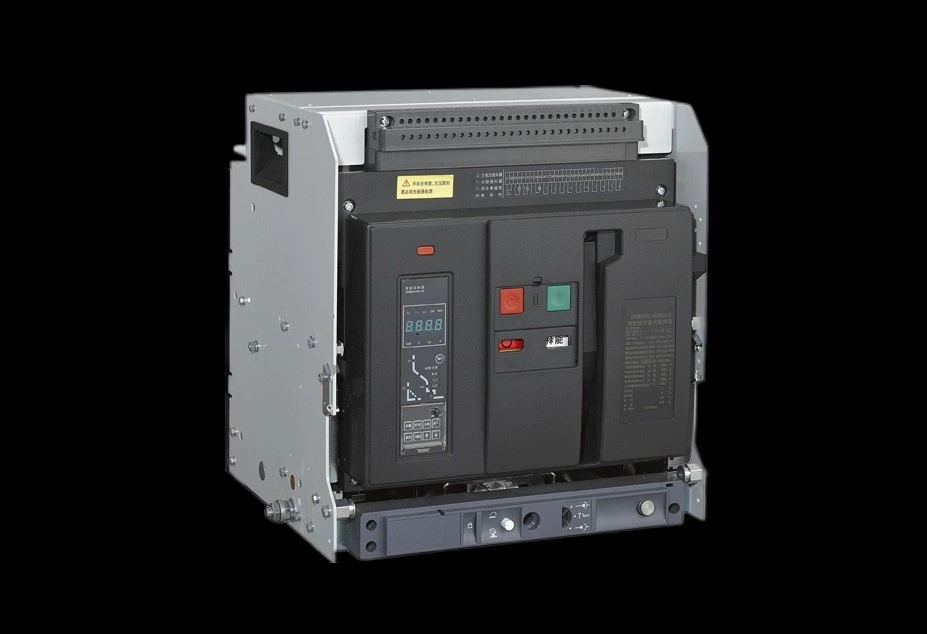
For example, in a smart grid application, the intelligent air circuit breaker Intelligent Air Circuit Breaker relies on electronic sensors to monitor electrical parameters such as current, voltage, and temperature. If these sensors are exposed to high humidity levels, they may provide inaccurate readings, which can affect the operation of the breaker and the overall stability of the grid.
Mitigating the Impact of Humidity
While humidity can pose significant challenges to air circuit breakers, there are several measures that can be taken to mitigate its impact. Here are some practical tips:
- Proper Enclosure Design: Ensure that the air circuit breaker is installed in a suitable enclosure that provides protection against moisture and other environmental factors. The enclosure should be sealed to prevent the ingress of water and should have adequate ventilation to allow for the dissipation of heat and moisture.
- Humidity Control: Use dehumidifiers or air conditioning systems to maintain a stable humidity level in the environment where the air circuit breaker is installed. This can help to prevent the accumulation of moisture on the surface of the insulation and other components.
- Regular Maintenance: Implement a regular maintenance schedule for the air circuit breaker, including visual inspections, cleaning, and testing. This can help to identify and address any issues related to humidity and corrosion before they become serious problems.
- Corrosion Protection: Apply corrosion-resistant coatings or treatments to the metal components of the air circuit breaker to prevent rust and corrosion. This can help to extend the lifespan of the breaker and improve its reliability.
- Use of Moisture-Resistant Materials: When selecting air circuit breakers, consider using models that are designed to withstand high humidity environments. These breakers may incorporate moisture-resistant insulation materials, seals, and other components that provide enhanced protection against humidity.
Conclusion
In conclusion, humidity can have a significant impact on the performance, reliability, and lifespan of air circuit breakers. By understanding the various ways in which humidity affects these devices and taking appropriate measures to mitigate its impact, you can ensure the safe and efficient operation of your electrical systems.
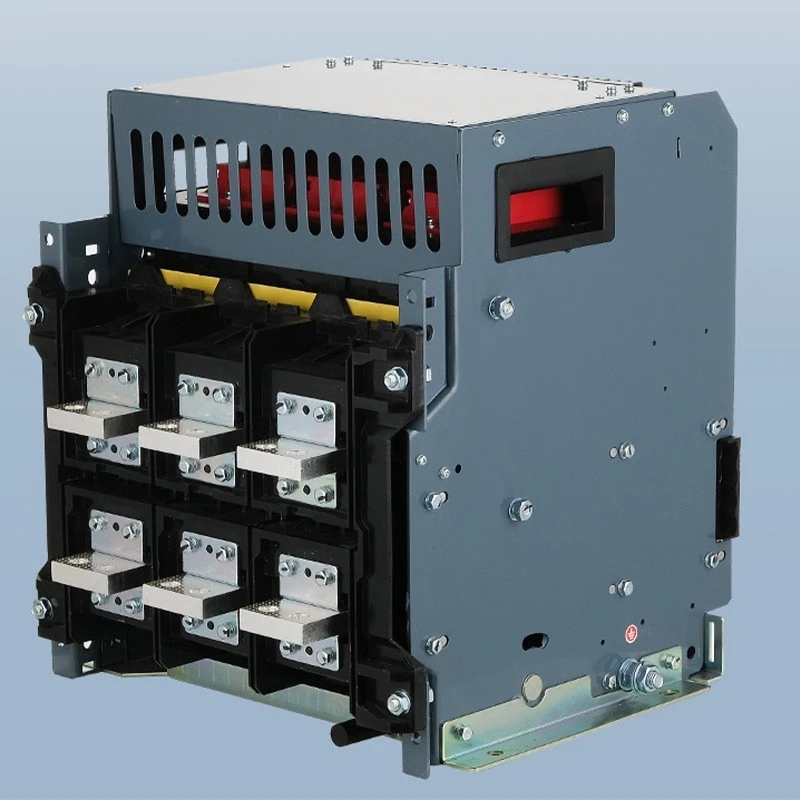
If you're in the market for high-quality air circuit breakers that are designed to withstand harsh environmental conditions, including high humidity, we're here to help. Our extensive range of products includes Frame Circuit Breaker, Drawer Type Air Circuit Breakers, Fixed Type Air Circuit Breaker, and Intelligent Air Circuit Breaker, all of which are engineered to provide reliable performance and long service life.
Whether you're looking for a solution for a small residential application or a large industrial project, our team of experts can help you find the right air circuit breaker to meet your specific needs. Contact us today to learn more about our products and services and to discuss your procurement requirements.
References
- Brown, H. (2018). Electrical Equipment in Harsh Environments. IEEE Press.
- Dorf, R. C. (2004). The Electrical Engineering Handbook. CRC Press.
- National Electrical Manufacturers Association (NEMA). (2021). Standards for Air Circuit Breakers.


