

What is the purpose of breakers in a distribution panelboard?
Leave a message

When it comes to electrical distribution systems, distribution panelboards play a crucial role in ensuring a safe and efficient supply of electricity. As a supplier of distribution panelboards, I've received numerous inquiries about the significance of breakers within these panelboards. In this blog post, I'll delve into the primary purpose of breakers in a distribution panelboard and why they are essential components.
Fundamental Understanding of Distribution Panelboards
Firstly, let's establish what a distribution panelboard is. A distribution panelboard is a central component in an electrical system that divides an incoming electrical power feed into multiple smaller circuits. It is typically installed in commercial, industrial, and residential buildings to distribute electricity to various electrical loads, such as lights, appliances, and equipment.
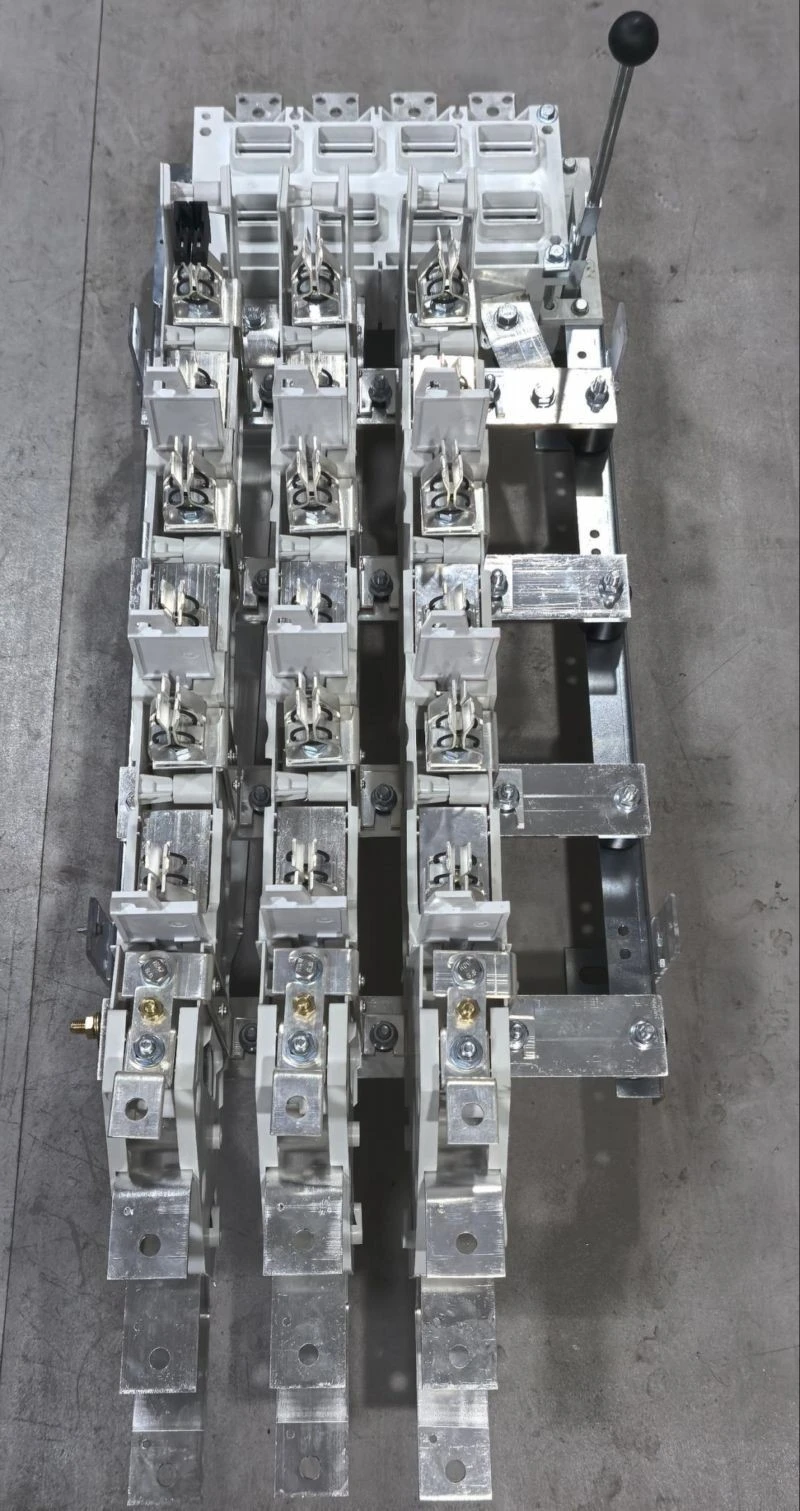
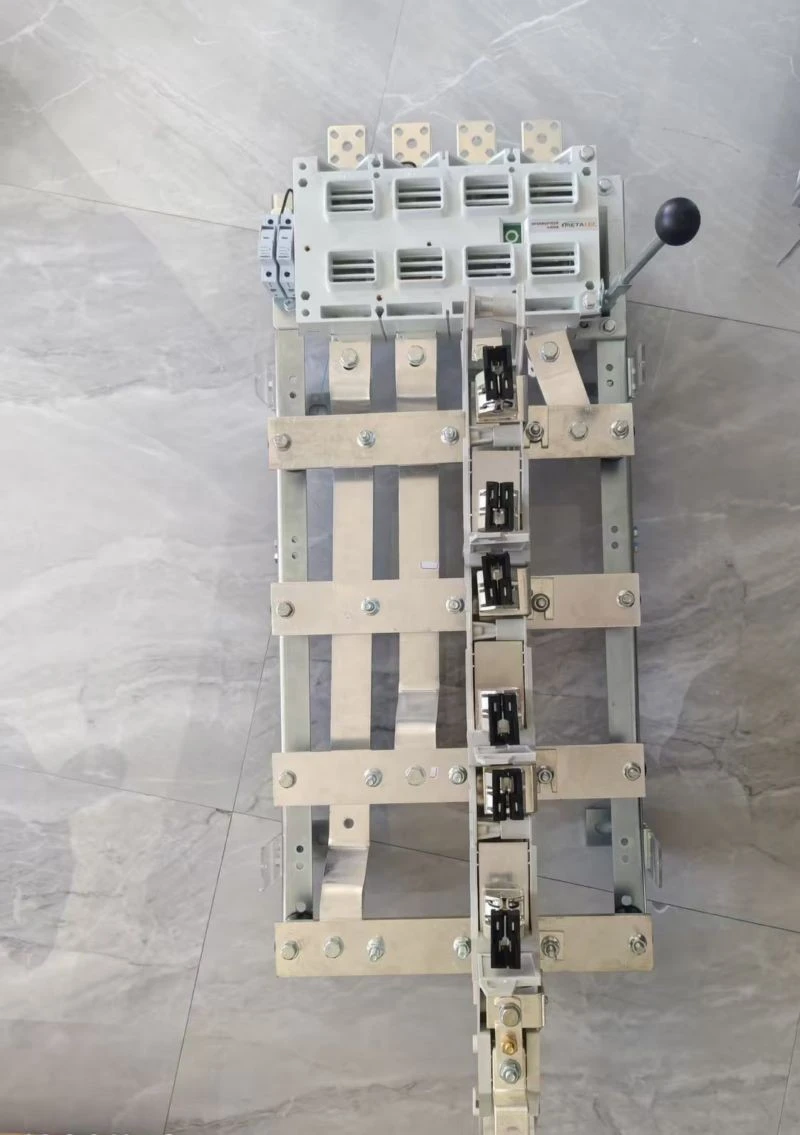
The panelboard consists of a metal enclosure with a series of busbars (conductive bars), circuit breakers, and other electrical components. The busbars carry the incoming electrical power, while the circuit breakers control and protect the individual circuits connected to the panelboard.
The Purpose of Breakers in a Distribution Panelboard
Overcurrent Protection
One of the primary purposes of breakers in a distribution panelboard is to provide overcurrent protection. Overcurrent occurs when the current flowing through a circuit exceeds its rated capacity. This can be caused by various factors, such as short circuits, ground faults, or overloading.
Short circuits happen when a low-resistance connection is established between two conductors in a circuit, bypassing the normal load. This results in an extremely high current flow, which can cause significant damage to the electrical system and pose a fire hazard. Ground faults occur when an electrical current unintentionally flows to the ground, usually due to a damaged insulation or a faulty electrical device. Overloading, on the other hand, happens when too many electrical devices are connected to a single circuit, causing the current to exceed the circuit's rated capacity.
Circuit breakers are designed to detect overcurrent conditions and automatically interrupt the circuit to prevent damage to the electrical system and connected equipment. They do this by using a thermal or magnetic trip mechanism. Thermal breakers use a bimetallic strip that bends when heated by an overcurrent. When the strip bends enough, it trips the breaker, opening the circuit. Magnetic breakers, on the other hand, use an electromagnet that generates a magnetic field when an overcurrent flows through the circuit. When the magnetic field becomes strong enough, it trips the breaker, interrupting the current flow.
Isolation and Control
Another important purpose of breakers in a distribution panelboard is to provide isolation and control. Circuit breakers allow for the easy isolation of individual circuits from the main electrical supply. This is useful for maintenance, repairs, or in case of an emergency. By simply turning off a breaker, the electrical supply to a specific circuit can be safely interrupted without affecting the other circuits in the panelboard.
Moreover, breakers provide a means of controlling the flow of electricity in a circuit. They can be used to turn on or off individual circuits as needed, allowing for the efficient management of electrical loads. For example, in a commercial building, the lighting circuits can be turned off during non - working hours to save energy, while the essential circuits, such as those powering security systems and emergency lighting, can remain operational.
Fault Detection and Monitoring
Modern breakers often come equipped with advanced features for fault detection and monitoring. Some breakers can detect unusual current waveforms or patterns that may indicate a developing fault in the circuit. This early detection allows for preventive maintenance to be carried out before a major fault occurs, reducing downtime and repair costs.
In addition, many circuit breakers can be integrated with monitoring systems that provide real - time data on the electrical parameters of each circuit, such as current, voltage, and power consumption. This data can be used for energy management, load balancing, and ensuring the overall health of the electrical system.
Different Types of Breakers in a Distribution Panelboard
There are several types of breakers commonly used in distribution panelboards, each with its own characteristics and applications.
Miniature Circuit Breakers (MCBs)
Miniature circuit breakers are commonly used in residential and small commercial applications. They are designed to protect low - power circuits and are typically rated for currents up to 125A. MCBs are compact in size and offer reliable overcurrent protection. They are available in different trip characteristics, such as B, C, and D, to suit different types of electrical loads.
Molded Case Circuit Breakers (MCCBs)
Molded case circuit breakers are used in larger commercial and industrial applications. They are capable of handling higher currents, typically ranging from 100A to over 2500A. MCCBs offer more advanced features than MCBs, such as adjustable trip settings and higher short - circuit breaking capacities. They are also available in different frame sizes and configurations to meet the specific requirements of various electrical systems.
Air Circuit Breakers (ACBs)
Air circuit breakers are used in high - voltage and high - current applications, such as in large industrial plants and power distribution substations. They are designed to handle extremely high short - circuit currents and offer excellent performance and reliability. ACBs use air as the arc - quenching medium and can be manually or electrically operated.
Importance of Choosing the Right Breakers
Selecting the right breakers for a distribution panelboard is crucial for ensuring the safety and efficiency of the electrical system. The breakers must be properly rated for the electrical load and the short - circuit current of the circuit. Incorrectly rated breakers may not provide adequate protection or may trip unnecessarily, causing disruptions to the electrical supply.
When choosing breakers, it is also important to consider the type of electrical load, the ambient conditions, and the specific requirements of the application. For example, if the electrical load consists of motors, a breaker with a higher short - time withstand current rating may be required to withstand the high inrush currents during motor starting.
As a distribution panelboard supplier, I offer a wide range of high - quality breakers that are suitable for various applications. Our LV Power Distribution Panelboards and LV Distribution Panelboard are designed to meet the highest industry standards and provide reliable performance.
Conclusion
In conclusion, breakers are essential components in a distribution panelboard. They provide overcurrent protection, isolation, control, and fault detection capabilities, ensuring the safety and efficiency of the electrical system. By understanding the purpose and function of breakers, you can make informed decisions when selecting and installing distribution panelboards for your specific application.
If you are in the market for high - quality distribution panelboards and breakers, I encourage you to reach out to us. Our team of experts is ready to assist you in choosing the right products for your needs and provide you with professional advice and support. Whether you are a contractor, an electrical engineer, or a facility manager, we are committed to helping you achieve a safe and reliable electrical distribution system.
References
- Electrical Installation Guide, Schneider Electric
- National Electrical Code (NEC)
- IEC 60947 - Standards for Low - Voltage Switchgear and Controlgear


