Function of LED indicator lights
Leave a message
The primary function of LED indicator lights is to display the operating status of equipment. Through different colors or flashing patterns, users can quickly determine whether the equipment is powered on, operating normally, or in standby or faulty state. For example, green often indicates normal operation, red often indicates abnormality or alarm, and yellow or blue is often used to indicate different modes.
In electronic devices, LED indicator lights also serve a feedback function. For example, routers, computer hosts, and chargers use flashing frequency or light changes to indicate data transmission, charging progress, or system operation status. This intuitive visual feedback reduces user reliance on complex interfaces and improves efficiency.
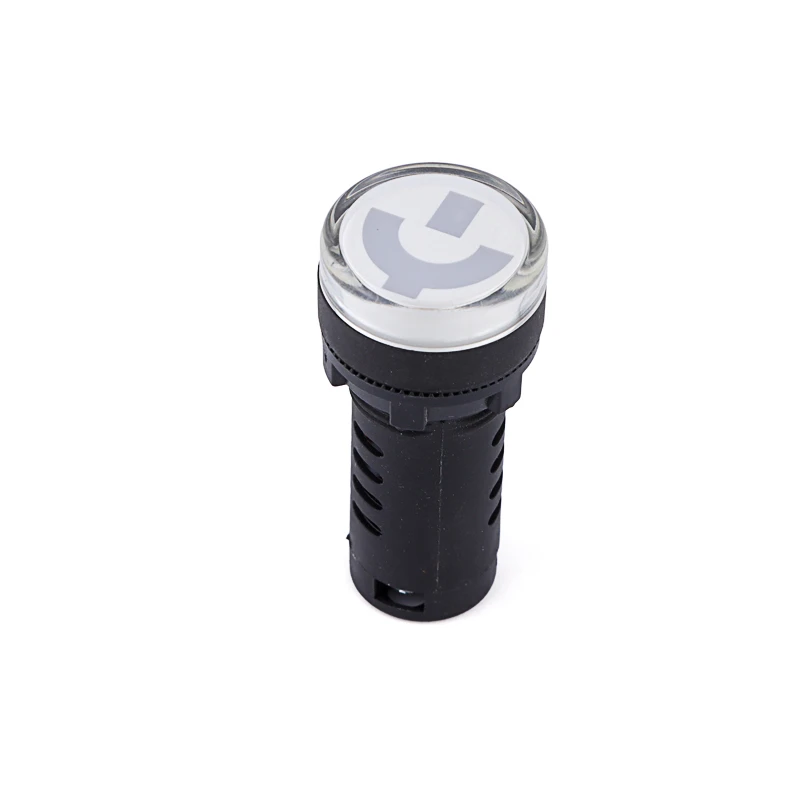
LED indicator lights are particularly important in industrial control and automation systems. Control cabinets, instrument panels, and production equipment typically have numerous indicator lights to display power status, operating status, fault alarms, and various sensor signals. Operators can quickly grasp the equipment's operating status from a distance or within a short time.
LED indicator lights also feature low power consumption, long lifespan, and small size, making them widely applicable in various devices. From household appliances to large industrial systems, they provide status indications in a simple and reliable way, making them one of the most basic and common visual elements in human-machine interaction.