

Can a grounding electrode rod be installed in a swampy area?
Leave a message

Can a grounding electrode rod be installed in a swampy area? That's a question I get asked a lot as a supplier of Grounding Electrode Rods. And let me tell you, it's not a straightforward answer. There are a bunch of factors we need to think about before we can say yes or no.
First off, let's talk about what a grounding electrode rod is and what it does. A Grounding Electrode Rod is a long metal rod that's stuck into the ground. Its main job is to provide a path for electrical current to flow into the earth. This is super important for safety, especially when it comes to things like lightning strikes or electrical faults. When lightning hits a building or a piece of equipment, the grounding rod helps to direct the electrical energy safely into the ground, preventing damage and reducing the risk of fire or electrocution. You can learn more about Grounding Electrode Rods on our website Grounding Electrode Rod.
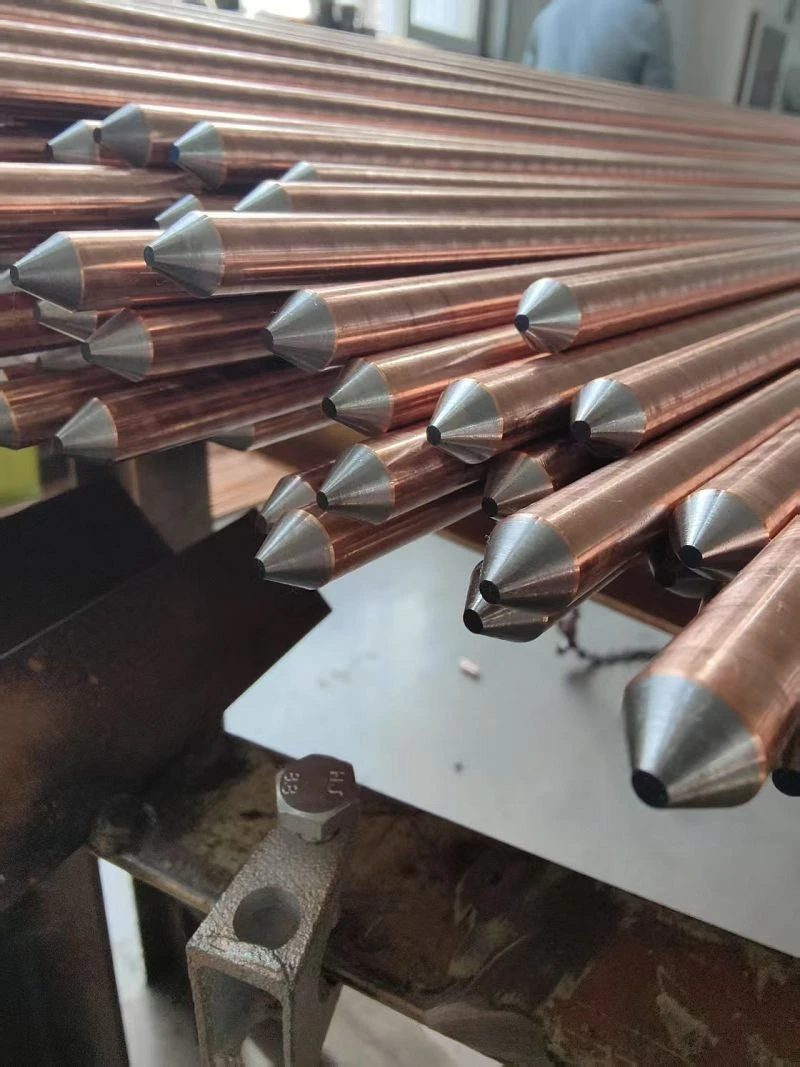
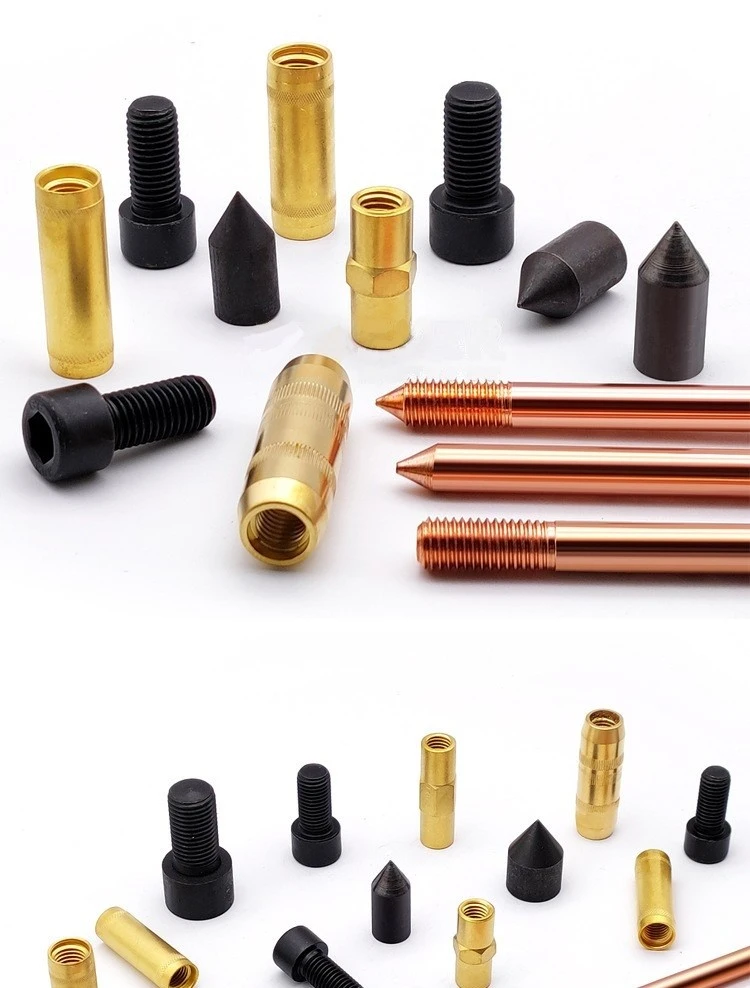
Now, let's get into the swampy area part. Swampy areas are characterized by wet, soft soil that's often rich in organic matter. On the one hand, the high moisture content in swampy soil can be a good thing for grounding. Water is a conductor of electricity, so the more moisture there is in the soil, the lower the resistance to electrical current. This means that a grounding electrode rod in a swampy area might have better electrical conductivity compared to one in dry soil.
But here's the catch. The soft and muddy nature of swampy soil can also pose some challenges. For starters, it can be difficult to install the grounding rod. You need to make sure the rod is driven deep enough into the ground to provide an effective ground connection. In swampy soil, the rod might not stay in place as easily, and it could be more prone to shifting or tilting over time.
Another issue is corrosion. The high moisture and organic matter in swampy soil can create a corrosive environment for the grounding rod. Over time, the rod can rust and deteriorate, which can reduce its effectiveness. This is a big deal because a corroded grounding rod might not be able to provide a reliable path for electrical current, putting your property and equipment at risk.
So, can you install a grounding electrode rod in a swampy area? The answer is yes, but you need to take some extra precautions. Here are some things to keep in mind:
1. Choose the right type of rod
Not all grounding electrode rods are created equal. When installing in a swampy area, you'll want to choose a rod that's made of a corrosion-resistant material. Stainless steel or copper-clad steel rods are good options because they can withstand the corrosive environment better than regular steel rods. You can also check out our Lightning Protection Grounding Rod which is designed to offer enhanced protection and durability.
2. Proper installation
As I mentioned earlier, installing a grounding rod in swampy soil can be tricky. You'll need to use the right equipment and techniques to ensure the rod is driven deep enough and stays in place. It might be a good idea to consult with a professional electrician or grounding specialist who has experience working in swampy areas. They can help you determine the best installation method and make sure everything is done correctly.
3. Regular maintenance
Once the grounding rod is installed, it's important to perform regular maintenance to check for signs of corrosion or damage. You can inspect the rod periodically and clean it if necessary. If you notice any significant corrosion or damage, it might be time to replace the rod to ensure it continues to provide an effective ground connection.
4. Consider additional grounding measures
In some cases, a single grounding electrode rod might not be enough to provide adequate grounding in a swampy area. You might need to install multiple rods or use other grounding methods, such as grounding mats or buried conductors, to improve the electrical conductivity and reduce the resistance to electrical current.
In conclusion, while it is possible to install a grounding electrode rod in a swampy area, it requires careful consideration and proper planning. By choosing the right type of rod, ensuring proper installation, performing regular maintenance, and considering additional grounding measures, you can create a reliable grounding system that will protect your property and equipment from electrical hazards.
If you're interested in purchasing grounding electrode rods or have any questions about grounding in swampy areas, I'd love to have a chat with you. Feel free to reach out and we can discuss your specific needs and find the best solution for you.
References
- Electrical safety standards and guidelines related to grounding electrode rod installation.
- Studies on the effects of soil conditions on grounding electrode performance.
- Manufacturer's specifications for grounding electrode rods.


