

Which is better, copper or aluminum cable lugs?
Leave a message

When it comes to electrical connections, choosing the right cable lugs is crucial for ensuring safety, efficiency, and longevity of the electrical system. Among the various materials available for cable lugs, copper and aluminum are two of the most commonly used options. As a trusted copper aluminum cable lug supplier, I've encountered numerous inquiries regarding which material is superior. In this blog post, I'll delve into the properties, advantages, and considerations of both copper and aluminum cable lugs to help you make an informed decision.
Properties of Copper Cable Lugs
Copper is a highly conductive metal, renowned for its excellent electrical and thermal conductivity. Its low resistivity allows for efficient transmission of electrical current, minimizing power loss and heat generation. This property makes copper cable lugs ideal for applications where high current carrying capacity is required, such as in industrial machinery, power distribution systems, and high - voltage electrical installations.
In addition to its conductivity, copper exhibits remarkable corrosion resistance. It forms a thin oxide layer on its surface when exposed to air, which acts as a protective barrier against further oxidation and corrosion. This characteristic ensures the long - term reliability of copper cable lugs, even in harsh environmental conditions.
Copper cable lugs are also known for their mechanical strength and ductility. They can be easily fabricated into various shapes and sizes, making them suitable for a wide range of cable types and connection requirements. The ability to withstand mechanical stress, such as vibration and bending, further enhances their durability and performance.
One of our featured products is the DTL2 Copper Lug. Crafted from high - quality copper, it offers excellent electrical conductivity and mechanical stability, providing a secure and reliable connection for your electrical systems.
Advantages of Copper Cable Lugs
High Conductivity
As mentioned earlier, copper's high electrical conductivity means that it can carry more current with less resistance. This results in lower energy losses, reduced heat generation, and improved overall efficiency of the electrical system. In high - power applications, these benefits can translate into significant cost savings over time.
Corrosion Resistance
The natural oxidation layer that forms on copper protects it from corrosion, making it suitable for use in outdoor and corrosive environments. Whether it's in a coastal area with high humidity and salt air or an industrial setting with chemical pollutants, copper cable lugs can maintain their integrity and performance for many years.
Compatibility
Copper cable lugs are compatible with a wide variety of cables, including copper and aluminum cables. When connecting copper cable lugs to aluminum cables, appropriate anti - oxidation and anti - corrosion measures can be taken to ensure a reliable connection.
Properties of Aluminum Cable Lugs
Aluminum is another popular material for cable lugs due to its unique properties. One of the most significant advantages of aluminum is its low density, making it much lighter than copper. This characteristic reduces the weight of the electrical system, which is particularly beneficial in applications where weight is a critical factor, such as in aerospace and automotive industries.
Aluminum also has good electrical conductivity, although it is not as high as that of copper. However, aluminum cable lugs can still provide a satisfactory level of conductivity for many low - to medium - power applications.
In terms of cost, aluminum is generally more affordable than copper. This cost - effectiveness makes aluminum cable lugs an attractive option for budget - conscious projects, especially those requiring a large number of cable lugs.
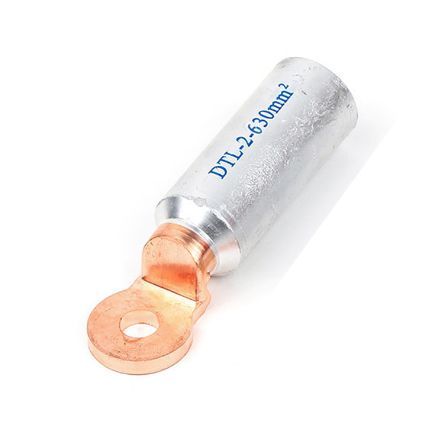
Our GTL Copper Aluminium Terminal Lugs combine the advantages of both copper and aluminum. They offer a cost - effective solution while maintaining good electrical performance.
Advantages of Aluminum Cable Lugs
Lightweight
The low density of aluminum makes it an ideal choice for applications where weight reduction is essential. In addition to aerospace and automotive industries, it can also be beneficial in portable electrical equipment and installations where ease of handling and transportation are important.

Cost - Effective
The lower cost of aluminum compared to copper can result in significant cost savings, especially for large - scale projects. This makes aluminum cable lugs a practical option for many electrical contractors and end - users.
Availability
Aluminum is one of the most abundant metals on Earth, ensuring a stable supply in the market. This availability makes it easier to source aluminum cable lugs in a timely manner, reducing the risk of project delays.
Considerations When Choosing Between Copper and Aluminum Cable Lugs
Electrical Requirements
The electrical requirements of the application are the primary factor to consider. For high - current applications, such as in large industrial motors and power substations, copper cable lugs are generally the better choice due to their superior conductivity. On the other hand, for low - to medium - current applications, such as in residential electrical systems and small - scale commercial installations, aluminum cable lugs may provide a cost - effective solution.
Environmental Conditions
The environmental conditions where the cable lugs will be installed also play an important role in the selection process. In corrosive environments, copper cable lugs are preferred due to their better corrosion resistance. However, if the environment is relatively clean and dry, aluminum cable lugs can perform well as long as proper installation and maintenance procedures are followed.
Compatibility with Existing Systems
If you are replacing or adding cable lugs to an existing electrical system, compatibility is a crucial consideration. When connecting aluminum cable lugs to copper cables or vice versa, special precautions must be taken to prevent galvanic corrosion. Using appropriate connectors and anti - oxidation compounds can help ensure a reliable and long - lasting connection.
Long - Term Cost
While the initial cost of aluminum cable lugs is lower than that of copper cable lugs, the long - term cost should also be considered. Copper cable lugs may have a higher upfront cost, but their superior performance and durability can result in lower maintenance and replacement costs over time.
Our Hybrid Solution: DTLF Copper Aluminum Cable Lug
To address the various needs of our customers, we offer the DTLF Copper Aluminum Cable Lug. This innovative product combines the high conductivity of copper with the lightweight and cost - effectiveness of aluminum. It provides a reliable and efficient solution for a wide range of electrical applications, eliminating the need to choose between copper and aluminum.
Making the Right Choice
Deciding between copper and aluminum cable lugs ultimately depends on a variety of factors, including the specific requirements of your electrical system, the environmental conditions, and your budget. As a copper aluminum cable lug supplier, we are dedicated to providing our customers with high - quality products and professional advice to help them make the right choice.
If you are still unsure which type of cable lug is best for your application, please don't hesitate to contact us. Our team of experts is ready to assist you in evaluating your needs and selecting the most suitable cable lugs for your project. We can also provide detailed product specifications and technical support to ensure a successful installation.
Whether you choose copper, aluminum, or our hybrid solution, you can trust that our cable lugs are manufactured to the highest standards of quality and performance. We are committed to delivering products that meet or exceed your expectations, ensuring the safety and efficiency of your electrical systems.
References
- "Electrical Wiring Handbook" by No Author Provided
- "Materials Science for Engineers" by No Author Provided


