

How to clean copper cable lugs?
Leave a message

Hey there! As a supplier of copper aluminum cable lugs, I've seen firsthand how important it is to keep these components clean. Clean cable lugs ensure better conductivity, reduce the risk of overheating, and extend the lifespan of your electrical connections. In this blog post, I'm gonna share some tips on how to clean copper cable lugs effectively.
Why Cleaning Copper Cable Lugs Matters
Before we dive into the cleaning process, let's talk about why it's so crucial to keep your copper cable lugs clean. Over time, copper cable lugs can accumulate dirt, dust, and oxidation. Oxidation, in particular, can be a real problem. When copper comes into contact with oxygen in the air, it forms copper oxide, which is a poor conductor of electricity. This means that as the lugs oxidize, the electrical resistance at the connection point increases. Higher resistance leads to more heat generation, which can, in turn, cause the lugs to expand and contract. This constant expansion and contraction can loosen the connections, leading to arcing, shorts, and even fires in extreme cases.
Tools and Materials You'll Need
To clean your copper cable lugs, you'll need a few basic tools and materials:
- Wire brush: A small, stiff wire brush is great for removing loose dirt and oxidation from the surface of the lugs.
- Sandpaper: Fine-grit sandpaper (around 220 - 400 grit) can be used to smooth out the surface and remove stubborn oxidation.
- Cleaning solution: You can use a commercial electrical contact cleaner or a mixture of vinegar and water. Vinegar is a mild acid that can dissolve copper oxide.
- Lint-free cloth: This is for drying the lugs after cleaning.
- Protective gloves and goggles: It's always a good idea to protect your hands and eyes when working with cleaning solutions and tools.
The Cleaning Process
Step 1: Disconnect the Power
Safety first! Before you start cleaning your cable lugs, make sure to disconnect the power supply to the electrical circuit. This will prevent any electrical shocks or short circuits while you're working.
Step 2: Remove the Cable Lugs (if possible)
If it's feasible, remove the cable lugs from the electrical connections. This will give you better access to the lugs and make the cleaning process easier. However, if you're not comfortable doing this or if the lugs are difficult to remove, you can clean them in place.
Step 3: Remove Loose Dirt and Debris
Use the wire brush to gently scrub the surface of the cable lugs. This will remove any loose dirt, dust, or debris that has accumulated on them. Be careful not to scratch the lugs too deeply, as this can damage the surface and affect their conductivity.
Step 4: Soak the Lugs in Cleaning Solution
If you're using a commercial electrical contact cleaner, follow the instructions on the product label. If you're using a vinegar and water solution (a mixture of about 1 part vinegar to 1 part water is usually good), soak the lugs in the solution for about 15 - 20 minutes. This will help dissolve the oxidation on the surface of the lugs.
Step 5: Scrub the Lugs
After soaking, remove the lugs from the cleaning solution and use the wire brush or sandpaper to scrub away the remaining oxidation. For stubborn oxidation, you may need to apply a little more pressure with the sandpaper, but again, be careful not to damage the lugs.
Step 6: Rinse and Dry
Rinse the lugs thoroughly with clean water to remove any remaining cleaning solution and oxidation residue. Then, use a lint-free cloth to dry the lugs completely. Make sure there's no moisture left on the lugs, as this can cause further oxidation.
Step 7: Apply Anti-Oxidation Compound (Optional)
To prevent future oxidation, you can apply a thin layer of anti-oxidation compound to the cleaned lugs. This will help create a barrier between the copper and the oxygen in the air, slowing down the oxidation process.
Step 8: Reconnect the Cable Lugs
Once the lugs are dry and (if applicable) coated with anti-oxidation compound, reconnect them to the electrical connections. Make sure the connections are tight and secure to ensure good electrical contact.
Our Product Range
At our company, we offer a wide range of high-quality DTLF Copper Aluminum Cable Lug. These lugs are made from top-grade materials and are designed to provide excellent electrical conductivity and durability.
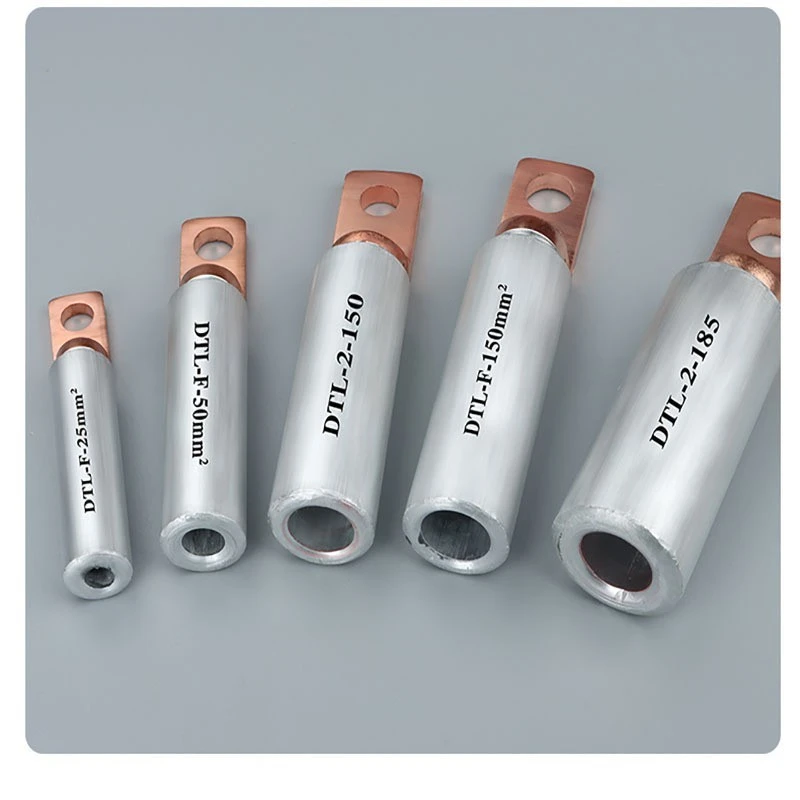
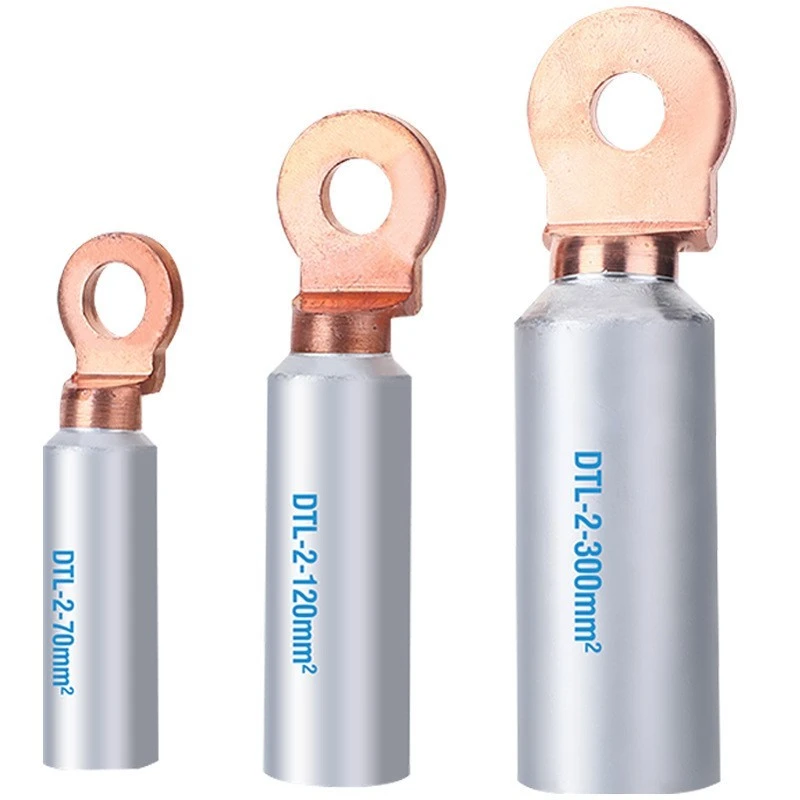
We also have DTL2 Copper Lug, which are known for their reliability and performance. These lugs are suitable for a variety of electrical applications and are built to last.
And if you're looking for something different, check out our GTL Copper Aluminium Terminal Lugs. These lugs offer a great combination of copper and aluminum, providing good conductivity and corrosion resistance.
Contact Us for Purchase and Consultation
If you're interested in purchasing our copper aluminum cable lugs or have any questions about cleaning or using them, don't hesitate to reach out. We're here to help you find the right cable lugs for your needs and ensure that you get the best performance from them.
References
- Electrical Installation Handbook - Schneider Electric
- National Electrical Code (NEC)
- Handbook of Electrical Engineering Materials - CRC Press


