

Do pilot lamps require maintenance?
Leave a message

Do Pilot Lamps Require Maintenance?
As a supplier of pilot lamps, I've encountered numerous inquiries from clients regarding the maintenance requirements of these essential devices. Pilot lamps are ubiquitous in various industries, serving as visual indicators for the status of equipment, circuits, and systems. Their reliability is crucial for ensuring the safe and efficient operation of machinery and facilities. In this blog post, I'll delve into the question of whether pilot lamps require maintenance and provide insights based on my experiences in the industry.
Understanding Pilot Lamps
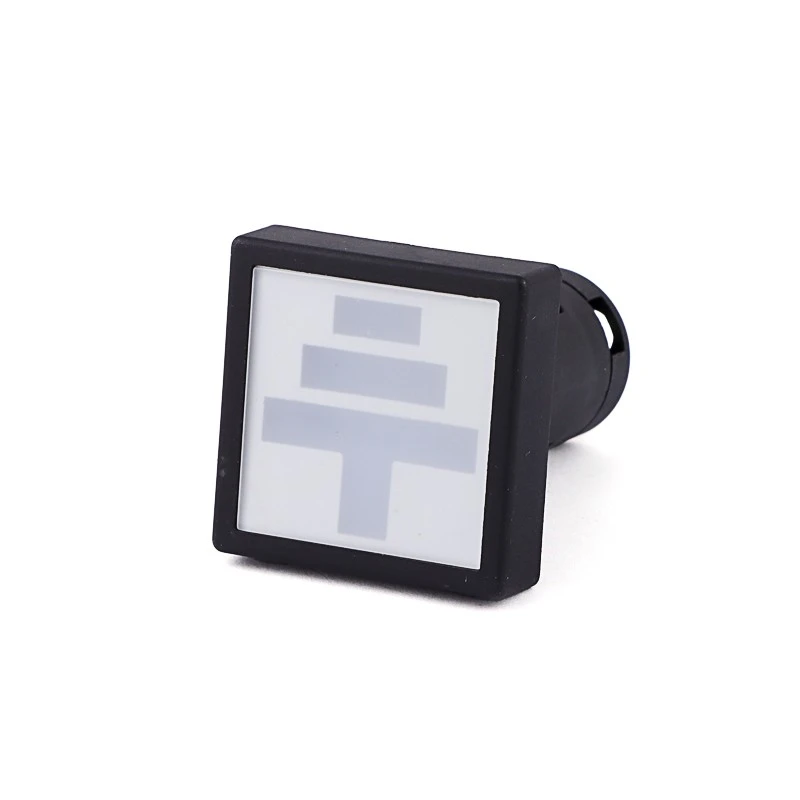
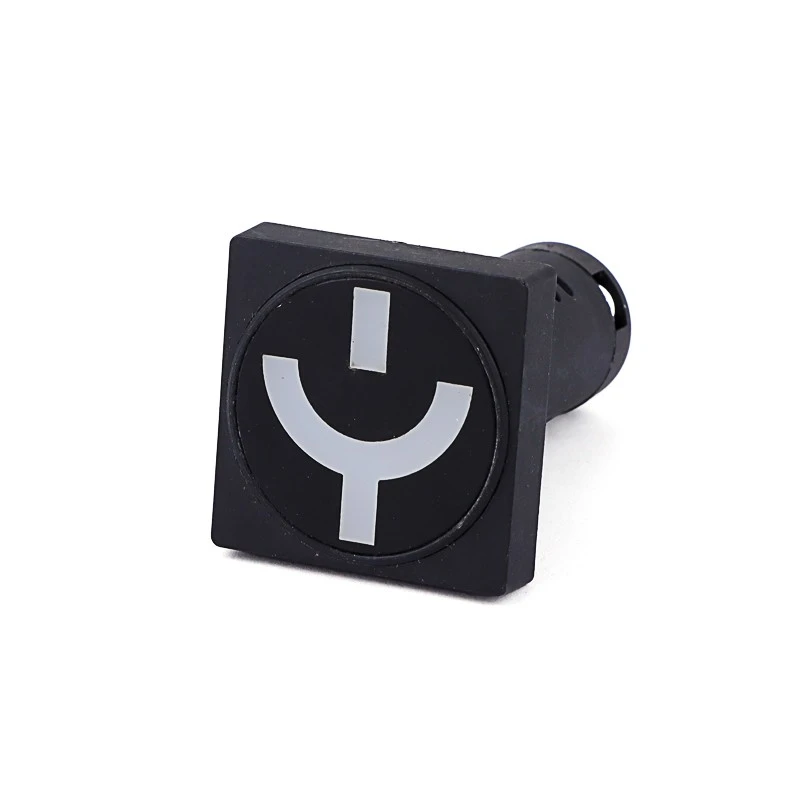
Before discussing maintenance, it's important to understand what pilot lamps are and how they work. Pilot lamps are small, usually colored lights that are used to indicate the status of a particular device or system. They can be found in a wide range of applications, including industrial control panels, electrical cabinets, and consumer electronics.
Pilot lamps typically consist of a light source, such as an incandescent bulb, LED, or neon tube, housed in a protective enclosure. The light source is connected to an electrical circuit, and when the circuit is energized, the lamp emits light. The color of the light can be used to convey different information, such as power on/off, equipment malfunction, or the status of a particular process.
Factors Affecting the Need for Maintenance
The need for maintenance of pilot lamps depends on several factors, including the type of lamp, the operating environment, and the frequency of use.
- Type of Lamp: Different types of pilot lamps have different maintenance requirements. For example, incandescent bulbs have a relatively short lifespan and may need to be replaced more frequently than LEDs or neon tubes. LEDs, on the other hand, are more energy-efficient and have a longer lifespan, but they may still require occasional maintenance to ensure optimal performance.
- Operating Environment: The operating environment can also have a significant impact on the lifespan and performance of pilot lamps. Lamps that are exposed to harsh conditions, such as high temperatures, humidity, or vibration, may require more frequent maintenance. For example, in industrial settings, pilot lamps may be exposed to dust, dirt, and chemicals, which can cause damage to the lamp and reduce its lifespan.
- Frequency of Use: The frequency of use is another important factor to consider. Lamps that are used more frequently are more likely to experience wear and tear and may require more frequent maintenance. For example, in a control panel that is constantly being monitored and adjusted, the pilot lamps may be turned on and off more frequently, which can increase the risk of failure.
Maintenance Requirements for Different Types of Pilot Lamps
Let's take a closer look at the maintenance requirements for different types of pilot lamps.
- Incandescent Pilot Lamps: Incandescent bulbs are the oldest type of pilot lamp and are still widely used in some applications. However, they have a relatively short lifespan and may need to be replaced every few months or years, depending on the frequency of use. In addition, incandescent bulbs are less energy-efficient than LEDs and may generate more heat, which can be a concern in some applications.
- LED Pilot Lamps: LEDs are the most popular type of pilot lamp today due to their long lifespan, energy efficiency, and low maintenance requirements. LEDs can last for tens of thousands of hours, which means they may not need to be replaced for many years. However, LEDs can still be affected by factors such as temperature, humidity, and electrical surges, so it's important to ensure that they are installed and operated correctly.
- Neon Pilot Lamps: Neon tubes are another type of pilot lamp that is commonly used in some applications. Neon lamps have a relatively long lifespan and are less affected by temperature and humidity than incandescent bulbs. However, they may require more frequent maintenance to ensure that the neon gas is not leaking and that the electrodes are not corroded.
Maintenance Tips for Pilot Lamps
Regardless of the type of pilot lamp you are using, there are several maintenance tips that can help you ensure their optimal performance and longevity.
- Regular Inspection: It's important to regularly inspect your pilot lamps to check for any signs of damage or wear. Look for cracks, chips, or discoloration in the lamp housing, as well as any signs of loose connections or wiring. If you notice any problems, replace the lamp or repair the connection as soon as possible.
- Cleaning: Pilot lamps can accumulate dust, dirt, and other debris over time, which can affect their performance. To keep your lamps clean, use a soft, dry cloth to wipe the surface of the lamp housing. Avoid using abrasive cleaners or solvents, as these can damage the lamp.
- Proper Installation: Make sure that your pilot lamps are installed correctly and that they are connected to the appropriate electrical circuit. Follow the manufacturer's instructions for installation and wiring, and use the correct type of lamp for your application.
- Temperature and Humidity Control: As mentioned earlier, temperature and humidity can have a significant impact on the performance and lifespan of pilot lamps. To ensure optimal performance, make sure that your lamps are installed in an environment that is within the recommended temperature and humidity range.
The Importance of Maintenance
Maintaining your pilot lamps is not only important for ensuring their optimal performance and longevity but also for ensuring the safety and efficiency of your equipment and facilities. Faulty pilot lamps can provide inaccurate information about the status of your equipment, which can lead to errors, malfunctions, and even accidents.
In addition, regular maintenance can help you identify and address potential problems before they become serious. By replacing worn-out lamps or repairing loose connections, you can prevent costly downtime and repairs and ensure that your equipment is operating at its best.
Our Pilot Lamp Products
At our company, we offer a wide range of high-quality pilot lamps to meet the needs of various industries and applications. Our products include High Pressure Cabinet Pilot Lamp, Circuit Breaker Switch Indicator, Dual Color Signal Lamp, Circuit Breaker Position Indicator Lamp, and Grounding Position Indicator.
Our pilot lamps are designed to be reliable, energy-efficient, and easy to install and maintain. We use only the highest quality materials and components in our products, and we test each lamp to ensure that it meets our strict quality standards.
Contact Us for Procurement
If you're in the market for high-quality pilot lamps, we invite you to contact us for procurement. Our team of experts can help you choose the right lamps for your application and provide you with the support and guidance you need to ensure their optimal performance and longevity.
Whether you're looking for a single lamp or a large quantity of lamps, we can provide you with competitive pricing and fast delivery. We also offer a range of customization options to meet your specific requirements.
Don't hesitate to reach out to us if you have any questions or if you'd like to discuss your procurement needs. We look forward to working with you!
References
- "Pilot Lamps: A Guide to Selection and Use." Electrical Engineering Times, [Date].
- "Maintenance of Electrical Equipment." Industrial Maintenance Magazine, [Date].
- "LED Lighting: Technology and Applications." Lighting Research Center, [Date].


