

What are the requirements for using a circuit breaker switch indicator in a residential electrical system?
Leave a message

What are the requirements for using a circuit breaker switch indicator in a residential electrical system?
In a residential electrical system, the circuit breaker switch indicator plays a crucial role in ensuring safety and efficient operation. As a supplier of Circuit Breaker Switch Indicator, I have in - depth knowledge of the requirements for its use in residential settings.
1. Safety Standards and Regulations
First and foremost, any circuit breaker switch indicator used in a residential electrical system must comply with relevant safety standards and regulations. In most countries, electrical products are subject to strict safety codes. For example, in the United States, the National Electrical Code (NEC) sets the standards for electrical installations in homes. The circuit breaker switch indicator should be UL (Underwriters Laboratories) listed, which means it has been tested and meets the safety requirements for use in residential electrical systems.
Compliance with these standards ensures that the indicator is safe from electrical shock, fire hazards, and other potential risks. It also guarantees that the product is reliable and will function properly under normal operating conditions. When selecting a circuit breaker switch indicator, homeowners and electricians should always look for products that bear the appropriate safety certifications.
2. Compatibility with the Electrical System
The circuit breaker switch indicator must be compatible with the existing residential electrical system. This includes considerations such as voltage, current, and the type of circuit breaker. Residential electrical systems typically operate at 120V or 240V in the United States. The indicator should be designed to work within these voltage ranges.
Moreover, different circuit breakers have different characteristics. Some are thermal - magnetic circuit breakers, while others are electronic circuit breakers. The switch indicator should be able to accurately detect the status of the specific type of circuit breaker used in the home. For instance, if a thermal - magnetic circuit breaker is used, the indicator should be able to sense the mechanical movement of the breaker when it trips or closes.
3. Visibility and Readability
Visibility is a key requirement for a circuit breaker switch indicator in a residential setting. The indicator should be easily visible from a reasonable distance, especially in a breaker panel that may be located in a utility room, basement, or garage. A clear and bright display is essential.
Many modern circuit breaker switch indicators use Dual Color Signal Lamp technology. For example, a green light may indicate that the circuit breaker is in the “on” position, while a red light may indicate that it has tripped. This color - coding makes it easy for homeowners to quickly identify the status of each circuit breaker at a glance.
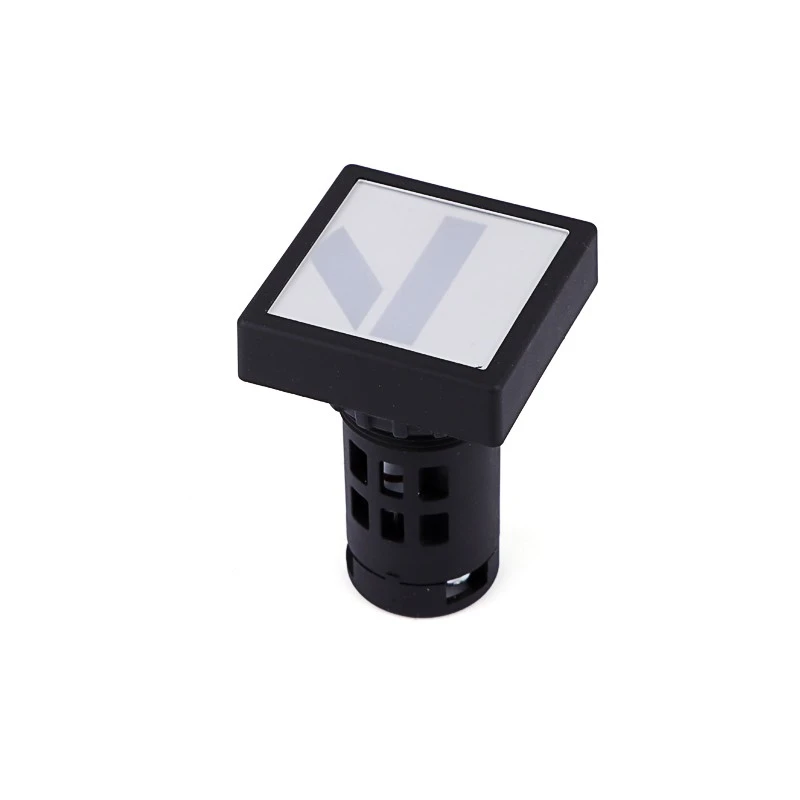
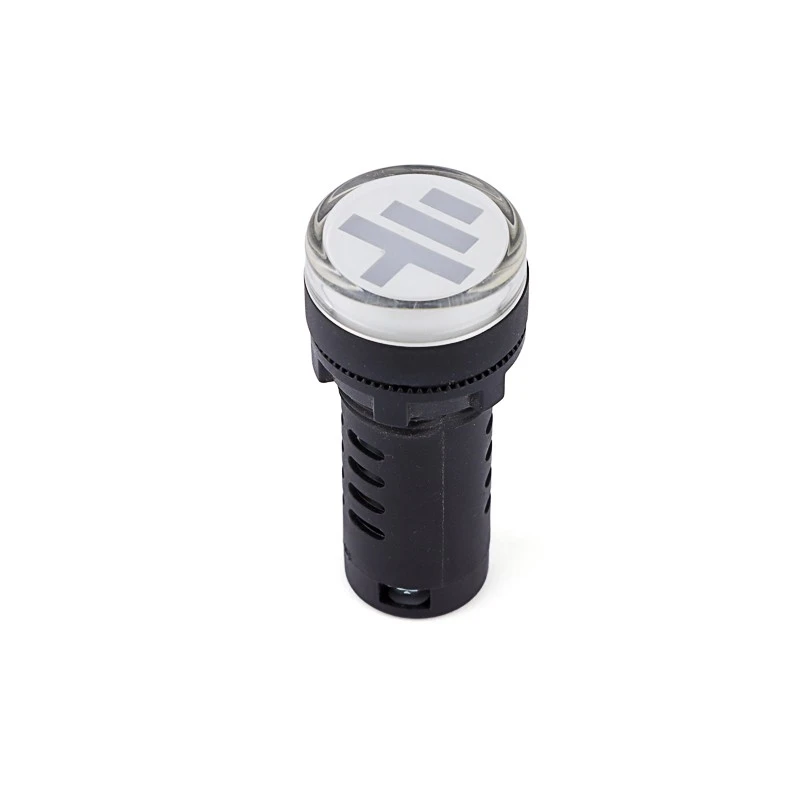
In addition to color, the size and shape of the indicator also affect its readability. The letters or symbols on the indicator should be large enough to be read without straining the eyes. Some indicators may also have a backlight feature, which is particularly useful in low - light environments.
4. Durability and Long - Term Performance
Residential electrical systems are expected to operate for many years. Therefore, the circuit breaker switch indicator should be durable and able to withstand the normal wear and tear associated with long - term use. It should be resistant to environmental factors such as dust, moisture, and temperature variations.
The materials used in the construction of the indicator are important. High - quality plastics or metals can provide good protection against physical damage. For example, an indicator with a robust housing can prevent accidental impacts from causing it to malfunction.
Long - term performance also depends on the reliability of the internal components. The indicator should have a low failure rate and be able to maintain its accuracy over time. Regular maintenance and testing can help ensure that the indicator continues to function properly.
5. Ease of Installation
For a residential electrical system, ease of installation is a significant requirement. Homeowners or electricians should be able to install the circuit breaker switch indicator without excessive difficulty. The indicator should come with clear installation instructions, and it should be designed to fit into standard breaker panels.
Some indicators are designed for direct replacement of existing indicators, which simplifies the installation process. They may have plug - and - play connections, allowing for quick and easy installation. This reduces the time and cost associated with the installation, making it more accessible for homeowners.
6. Functionality and Additional Features
In addition to basic on/off indication, some circuit breaker switch indicators may offer additional functionality. For example, a Circuit Breaker Position Indicator Lamp may provide more detailed information about the position of the circuit breaker, such as whether it is fully closed or partially open.
Some indicators may also be equipped with a test function, which allows homeowners or electricians to verify the proper operation of the indicator without having to trip the circuit breaker. This can be useful for regular maintenance and troubleshooting.
Another important feature is the ability to integrate with other electrical components in the home. For example, some indicators can be connected to a home automation system, allowing homeowners to monitor the status of their circuit breakers remotely.
7. Cost - Effectiveness
Cost is always a consideration in a residential electrical system. Homeowners want to get a high - quality circuit breaker switch indicator at a reasonable price. As a supplier, we understand the importance of providing cost - effective solutions.
The cost - effectiveness of an indicator depends not only on its purchase price but also on its long - term performance and maintenance requirements. A more expensive indicator may offer better durability and additional features, which can result in lower long - term costs. However, homeowners should also consider their budget and the specific needs of their electrical system when making a purchasing decision.
8. Grounding and Safety Considerations
Proper grounding is essential for the safe operation of a circuit breaker switch indicator. A Grounding Position Indicator can help ensure that the electrical system is grounded correctly. Grounding provides a path for electrical current to flow safely to the earth in the event of a fault, protecting people and property from electrical shock and damage.
The indicator should be designed to be grounded in accordance with the relevant electrical codes. This may involve connecting the indicator to a grounding conductor in the breaker panel. Electricians should always follow proper grounding procedures during installation to ensure the safety of the electrical system.
Conclusion
In conclusion, using a circuit breaker switch indicator in a residential electrical system requires careful consideration of multiple factors. Safety standards, compatibility, visibility, durability, ease of installation, functionality, cost - effectiveness, and grounding are all important requirements. As a supplier of Circuit Breaker Switch Indicator, we are committed to providing high - quality products that meet these requirements.
If you are interested in purchasing circuit breaker switch indicators for your residential electrical system, or if you have any questions about our products, please feel free to contact us for a detailed discussion. We look forward to working with you to ensure the safety and efficiency of your home's electrical system.
References
- National Electrical Code (NEC)
- Underwriters Laboratories (UL) Standards


