

What are the types of auxiliary contacts in a contactor?
Leave a message

Hey there! As a contactor supplier, I've seen a lot of different types of auxiliary contacts in contactors. These little components play a big role in how contactors work, so I thought I'd share some insights on the various types.
First off, let's understand what auxiliary contacts are. In a contactor, the main contacts are responsible for switching the high - power circuits. Auxiliary contacts, on the other hand, are used for control and signaling purposes. They're like the sidekicks that help the main contacts do their job more effectively.
Normally Open (NO) Auxiliary Contacts
The most common type is the normally open (NO) auxiliary contact. As the name suggests, these contacts are open when the contactor is in its de - energized state. When the contactor coil is energized, the magnetic field pulls the contacts together, closing the circuit.
NO auxiliary contacts are often used in control circuits. For example, if you have a motor controlled by a contactor, you might use a NO auxiliary contact to indicate that the motor is running. When the contactor is energized and the motor starts, the NO contact closes, and this can be used to trigger other devices like an indicator light or a relay in a control panel.
Our LC1D AC Contactor comes with reliable NO auxiliary contacts. They're designed to handle the electrical loads associated with control circuits and have a long service life.
Normally Closed (NC) Auxiliary Contacts
Opposite to the NO contacts, normally closed (NC) auxiliary contacts are closed when the contactor is de - energized. When the contactor coil gets energized, the contacts open.
NC auxiliary contacts are useful in safety circuits. For instance, in a machine with a contactor - controlled power supply, an NC auxiliary contact can be used to cut off a secondary power source or trigger an alarm when the main contactor is energized. This can be a crucial safety feature, preventing certain operations from happening when the main power is on.
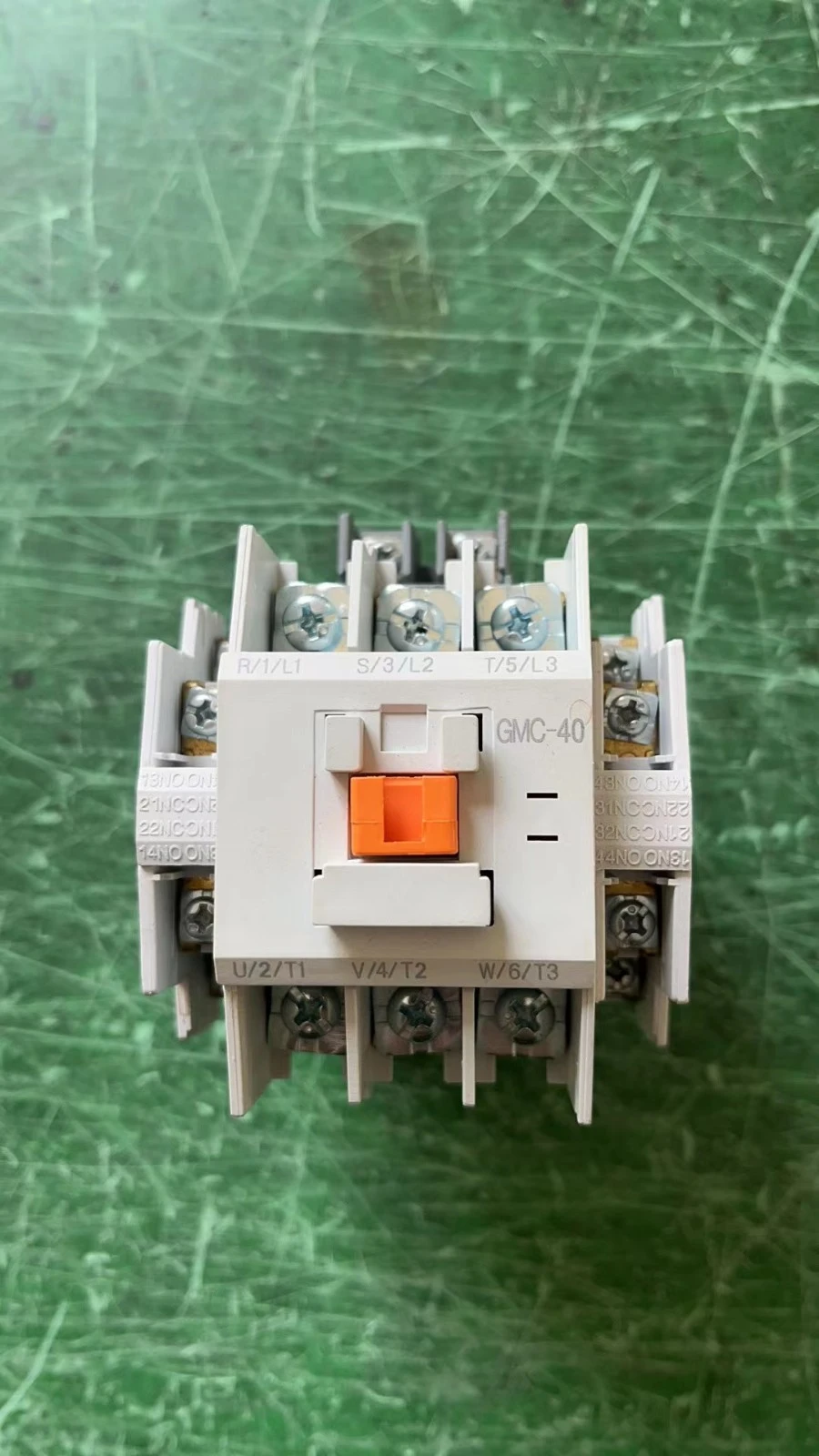
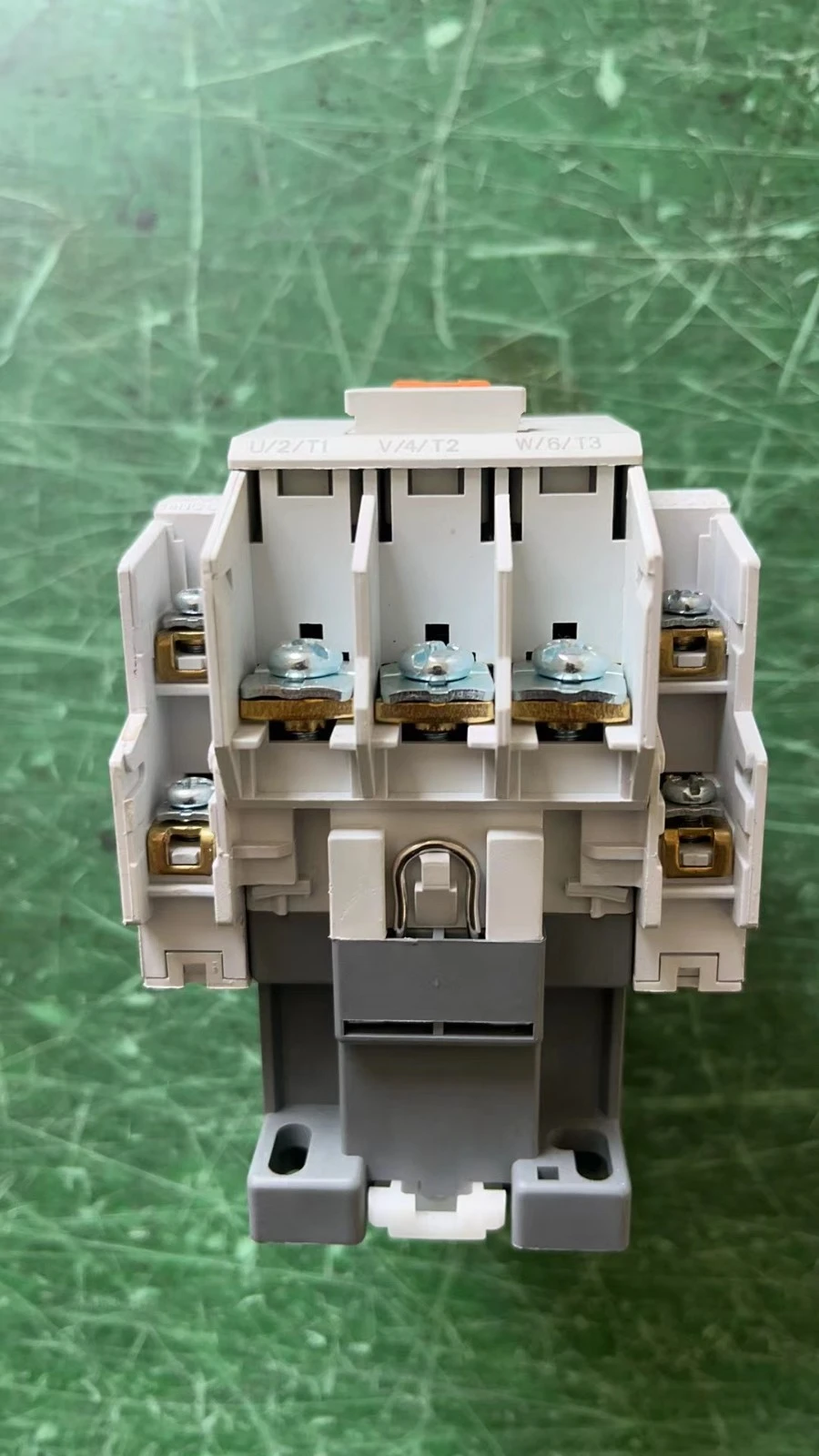
The GMC AC Contactors we supply are equipped with high - quality NC auxiliary contacts. These contacts are built to withstand frequent opening and closing operations without significant wear and tear.
Changeover (CO) Auxiliary Contacts
Changeover (CO) auxiliary contacts, also known as double - throw contacts, combine the functions of NO and NC contacts. They have three terminals: a common terminal, a normally open terminal, and a normally closed terminal.
When the contactor is de - energized, the common terminal is connected to the normally closed terminal. When the contactor is energized, the connection switches, and the common terminal is connected to the normally open terminal.
CO auxiliary contacts are very versatile. They can be used in complex control circuits where different states need to be monitored and switched between. For example, in a system where you need to switch between two different control signals depending on whether the contactor is energized or not, a CO auxiliary contact can do the job.
Our CJX2 Ac Contactor offers CO auxiliary contacts that are easy to install and integrate into your existing control systems.
Auxiliary Contact Ratings
It's important to consider the ratings of auxiliary contacts. The main ratings include current rating, voltage rating, and contact resistance.
The current rating indicates the maximum amount of current that the contact can carry without overheating or getting damaged. The voltage rating is the maximum voltage that the contact can withstand without breaking down. Contact resistance affects the efficiency of the circuit; a lower contact resistance means less power loss.
When choosing a contactor with auxiliary contacts, make sure to match the ratings with the requirements of your application. If you're not sure, our team of experts can help you select the right contactor based on your specific needs.
Applications of Different Auxiliary Contact Types
- Industrial Automation: In industrial automation systems, NO auxiliary contacts are often used to signal the status of different machines. For example, a NO contact can be used to indicate that a conveyor belt is running. NC contacts can be used for safety interlocks, such as preventing access to a machine when it's in operation. CO contacts are useful for switching between different control modes in automated production lines.
- HVAC Systems: In heating, ventilation, and air - conditioning (HVAC) systems, auxiliary contacts are used to control fans, compressors, and other components. NO contacts can be used to start a fan when the temperature reaches a certain level, while NC contacts can be used to shut off a compressor in case of a fault.
- Power Distribution: In power distribution systems, auxiliary contacts are used for monitoring and control. They can be used to indicate the status of circuit breakers, switches, and other power - related equipment.
Why Choose Our Contactors with Auxiliary Contacts
We've been in the contactor business for a long time, and we know what it takes to provide high - quality products. Our contactors with auxiliary contacts are designed and manufactured to meet the highest industry standards.
We use high - grade materials to ensure the durability and reliability of our contacts. Our manufacturing process includes strict quality control checks at every stage, so you can be confident that you're getting a product that will perform well over time.
In addition, we offer excellent customer support. If you have any questions about our contactors or need help with installation and maintenance, our team is always ready to assist you.
Time to Make a Decision
If you're in the market for contactors with auxiliary contacts, we're here to help. Whether you need a contactor for a small - scale project or a large - scale industrial application, we have the right product for you.
Don't hesitate to reach out to us for more information. We can provide detailed product specifications, pricing, and answer any questions you might have. Let's start a conversation and see how we can meet your contactor needs.
References
- Electrical Engineering Handbook: A comprehensive guide on electrical components and systems.
- Contactor Manufacturer's Manuals: These provide detailed information on the design and operation of contactors and their auxiliary contacts.


